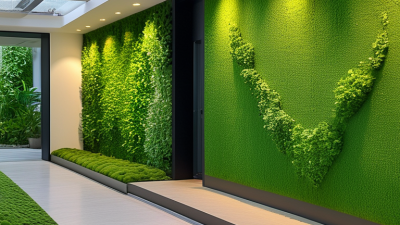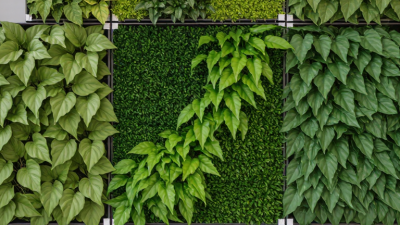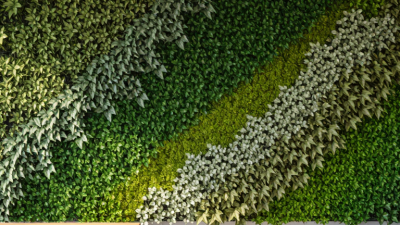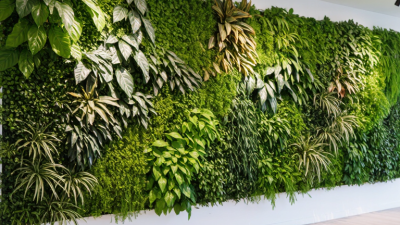
Artificial Green Walls have become a practical way to add color and texture where living plants may struggle. In 2026, popular options include modular foliage panels, faux hedge mats, preserved moss features, and custom mixed-leaf designs. Each type creates a different effect. A dense fern panel can soften a bare office wall, while a narrow hedge strip may suit a balcony or reception area. Small details matter.
The best choice depends on more than appearance. Consider viewing distance, available light, wall dimensions, cleaning access, and exposure to sunlight or moisture. A sample panel viewed beside the actual wall can reveal mismatched greens or an overly glossy finish. Check product details for material quality, stated UV resistance, mounting method, and any applicable fire-performance information. Specifications vary, so confirm them with the supplier rather than relying on photographs alone.
This guide compares the main artificial green wall types and explains where each tends to work well. It also considers installation, upkeep, realism, and value over time. Most designs need little care, but dust can collect between leaves, and outdoor color may fade. No option is perfect. Even a convincing panel can look flat under harsh lighting, and premium foliage may not suit every budget. These trade-offs deserve a closer look before you choose.
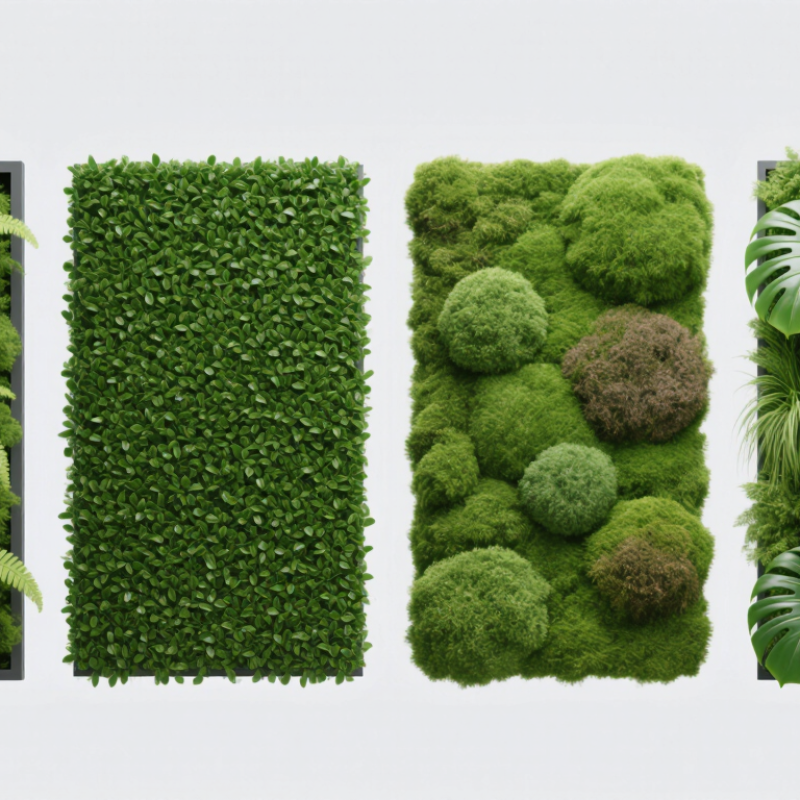
In 2026, classify artificial green walls by construction, mounting, and intended use—not appearance alone. Modular panels use foliage fixed to square or rectangular backing pieces. Their seams can be easy to conceal, but poor alignment may leave a visible grid. Flexible foliage mats come in rolls and suit broad, gently curved areas. They may need careful trimming around corners and outlets.
A third type uses individual stems or branches attached to a mesh or frame. This creates more control over spacing and depth, though installation takes longer. Freestanding green screens form another category. They can divide a room without attaching foliage directly to a wall. These distinctions matter: a lightweight mat for a display backdrop is not automatically suitable for a tall, frequently touched corridor.
Classification also depends on foliage density, backing material, and indoor or outdoor exposure. Check the reverse side, not just the leafy front. Look for loose attachment points, exposed mesh, and seams that show at eye level. For outdoor use, ask how the materials handle sunlight and moisture; claims vary between products. A dense sample can look convincing under showroom lighting. Not always. View a sample in the intended space, and check its finish from several angles. Even careful selection cannot hide every imperfect edge.
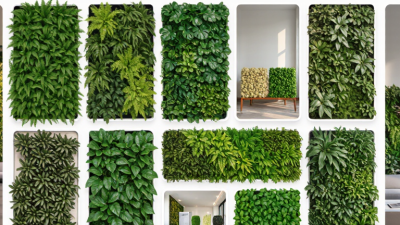
Artificial green walls generally use interlocking panels, modular tiles, flexible foliage mats, or custom framed assemblies. Each type suits a different surface and installation style. Panel systems arrive as larger sections, often with mixed leaf shapes and built-in backing. They can cover a broad feature wall quickly, but seams may show if panels are poorly aligned. Fast installation.
Modular tiles use smaller units that connect across a grid. They work well around columns, narrow strips, or areas that may need partial replacement. Flexible mats are lighter and can be trimmed to fit curved surfaces or existing frames. Their foliage may look less layered up close, so inspect a sample at viewing distance before ordering. Custom framed systems offer more control over depth, borders, and plant placement. That extra detail takes careful measuring.
The wall’s location matters as much as its appearance. Check the substrate, fixing method, and product guidance for indoor or outdoor use before installation. Sunlight and weather can affect color and material life. Not every wall agrees. A dense panel may feel heavy in a small room, while a thin mat can look flat under bright lighting. Comparing texture, backing, and maintenance needs in person can prevent an attractive sample from becoming a disappointing full-wall finish.
| System Type | Typical Construction | Installation Approach | Appearance and Coverage | Customization | Maintenance and Access | Best Suited For | Key Considerations |
|---|---|---|---|---|---|---|---|
| Rigid Modular Foliage Panels | Factory-assembled foliage attached to rigid plastic or composite backing panels, often with interlocking edges or connection points. | Panels are fastened to a prepared wall, frame, or support grid. Individual modules can generally be removed for repair or replacement. | Creates broad, continuous coverage. Panel edges or repeated patterns may be visible if modules are not aligned or foliage is not arranged to overlap them. | Moderate. Panels may be combined in different layouts, while color, leaf mix, and panel dimensions depend on the available system. | Usually requires occasional dust removal and checks of fixings. Access to the wall behind the panels depends on how they are mounted. | Feature walls, reception areas, retail interiors, and other projects needing relatively quick, repeatable coverage. | Check panel weight, fixing requirements, wall condition, seam treatment, and whether replacement modules can be obtained in matching foliage. |
| Flexible Foliage Mats | Artificial leaves and stems attached to a flexible mesh or open backing that can be cut to fit around edges and obstacles. | Typically secured to a wall or frame using suitable fasteners or ties. The support surface should be assessed before installation. | Flexible backing can help cover irregular shapes and curved areas. The final density depends on the foliage construction and how the mat is positioned. | Moderate to high. Mats can often be trimmed, layered, or combined with different foliage styles to suit a layout. | Surface cleaning is generally straightforward, but dirt can collect in dense foliage. A permanently fixed mat may make behind-wall access difficult. | Curved surfaces, columns, corners, and projects where a flexible backing is useful. | Cut edges may need foliage adjustment to conceal the backing. Confirm that trimming will not loosen leaves or compromise attachment points. |
| Roll or Sheet Foliage Systems | Foliage supplied in continuous or semi-continuous lengths, usually attached to a flexible backing that can be cut to the required size. | Unrolled across a supporting surface or framework, then fastened and trimmed. Multiple lengths may be joined for larger areas. | Can cover long, simple runs with fewer module breaks. Joins between rolls or sheets may remain visible unless carefully aligned and blended. | Moderate. Easy to size for straightforward layouts, but detailed patterns and complex contours may require additional cutting and foliage work. | Cleaning is similar to other non-living foliage products. Fastener and seam inspections are advisable, particularly on large installations. | Long wall sections, temporary displays, and installations with relatively simple shapes. | Plan roll direction, seam placement, edge finishing, and attachment spacing before installation. Verify the backing and fasteners suit the site conditions. |
| Individually Attached Foliage Systems | Separate artificial stems, branches, or foliage pieces attached individually to a mesh, frame, panel, or other prepared support. | Each piece is positioned and secured by hand, allowing the installer to build up layers and vary the arrangement across the wall. | Can produce a varied, layered appearance with fewer obvious repeated module patterns. Coverage depends on the quantity and spacing of foliage used. | High. Foliage types, colors, directions, and density can be arranged to suit a specific design. | Individual pieces may be accessible for adjustment or replacement if their attachment points can be reached. More foliage can mean more detailed dusting. | Custom feature walls, branded-color-free design features, and spaces where a less repetitive composition is desired. | Often requires more installation time and careful planning than preassembled systems. Confirm that every stem is securely attached and that the support is adequate. |
| Artificial Hedge Panels | Dense foliage assembled on a backing panel or grid to create a hedge-like surface, commonly with a relatively uniform leaf profile. | Panels are fixed to a wall, fence, or freestanding support. Connections and edges need to be aligned and secured. | Provides a compact, visually dense finish. Its more uniform structure can read as a formal hedge rather than a varied planting composition. | Low to moderate. Panel layouts can be adapted, but the overall look is typically determined by the selected leaf style and panel format. | Usually limited to surface cleaning and periodic checks of fixings. Dense foliage may need more attention in dusty locations. | Privacy-style screens, fence coverings, and projects that call for a dense, consistent green backdrop. | Assess wind exposure for outdoor use, the strength of the supporting structure, panel connections, and the product’s suitability for the intended location. |
Selection note: No single system is best for every project. Compare the wall shape, support structure, desired visual density, installation access, cleaning needs, and any applicable indoor or outdoor product requirements. Artificial foliage does not provide the growth, air filtration, or ecological functions of living plants.
Flat foliage panels create a tidy, continuous surface. Their repeated leaf patterns suit narrow balconies, office walls, and shop interiors. From a distance, they read as a full green backdrop. Up close, seams and repeated shapes can become noticeable. That matters in bright rooms, where side lighting reveals texture and joins.
Modular tiles offer more control. Installers can combine different leaf shapes and densities, making the wall look less uniform. This approach also makes replacement easier: one damaged section can come out without removing the whole display. The trade-off is extra planning. Poorly aligned tiles may leave visible gaps. Small details matter.
Hanging-vine designs bring movement and depth, especially around corners or tall entryways. Their cascading leaves can soften hard surfaces, but they may collect dust more visibly and need careful spacing to avoid a sparse look. For sunny locations, check that the materials are rated for outdoor UV exposure; indoor foliage may fade or become brittle. No style stays convincing without sensible placement. A sample viewed in the actual light can reveal problems a product photo misses. Even then, matching every leaf perfectly is not always possible.
Mixed-foliage panels score highest for visual depth, while hedge panels provide dense, consistent coverage and are easy to clean. Ratings are relative qualitative comparisons, not standardized test results; outdoor durability varies with UV protection, installation, and exposure.
Artificial green wall panels suit rooms that need quick, even coverage. In a reception area, small-leaf foliage can create a calm backdrop without competing with signs or artwork. For a home office, a lighter mix of ferns and trailing leaves often looks less dense on camera. Check the panel edges and mounting method before buying; visible seams can make an otherwise convincing wall look like a display board. Samples help. Colors can shift under warm lighting.
For patios and balconies, choose panels made for outdoor exposure, with UV-resistant foliage and secure fixings. Wind can pull at loose corners, while direct sun may fade cheaper materials over time. Measure the wall and check how the panels attach to its surface. A textured mix with varied leaf sizes can soften a bare fence, but very dense foliage may look artificial up close. It can still work well from a few steps away.
Feature walls benefit from more deliberate designs. Flowering panels add color to a café entrance or event space, while moss-style textures suit quieter offices and hallways. Use them where real plants would be difficult to water or maintain, but do not expect them to improve air quality. I would avoid choosing by product photos alone. Inspect the backing, leaf attachment, and color variation in person when possible. That small check is easy to skip.
Choosing an artificial green wall in 2026 starts with the site, not the leaf color. For a sunny patio, check documented UV resistance and ask how the material performs after prolonged exposure. Indoors, inspect the backing and confirm that its fire rating suits the project’s location. Requirements vary, so verify details with the installer or relevant building professional.
Measure the wall, including corners, outlets, and access panels. A dense panel can hide an uneven surface, but it may also make repairs harder. Check how panels connect and whether individual sections can be removed. Looks matter. So does the backing. Request a sample and view it in the actual light; showroom lighting can make foliage appear richer than it will at home. A sample can still mislead if it is too small to show repeated patterns.
Consider cleaning and installation before choosing a style. Dust can settle between leaves, especially near a kitchen or busy entrance, so ask what routine care involves. For exterior walls, confirm the mounting system suits the surface and expected wind exposure. Compare product specifications rather than relying on phrases such as “weatherproof.” One detail is easy to overlook: the green wall may look natural up close, yet seams can show from across the room. Check a full-size installation if possible, and allow time for that decision.