| Intended Location |
Indoor, covered outdoor, or fully exposed outdoor installation |
Select the panel according to actual UV, rain, wind and temperature exposure |
Artificial foliage designed for indoor use may fade, crack or become brittle when exposed to sunlight and moisture. |
Request separate indoor and outdoor specifications; confirm the permitted exposure conditions in writing. |
| Panel Dimensions |
Common modular sizes include approximately 50 × 50 cm and 100 × 100 cm |
Use modular panels that match the wall grid and reduce cutting waste |
Standardized panels simplify installation, replacement and shipping calculations. |
Confirm the actual finished size, usable coverage and connection method before ordering. |
| Panel Weight |
Typically about 1–4 kg per square metre, depending on foliage density and backing |
Choose the lightest construction that still provides adequate coverage and stability |
Weight affects wall loading, labor, freight cost and the type of fixing system required. |
Ask for net weight per panel and calculated total weight per square metre, including the backing. |
| Foliage Density |
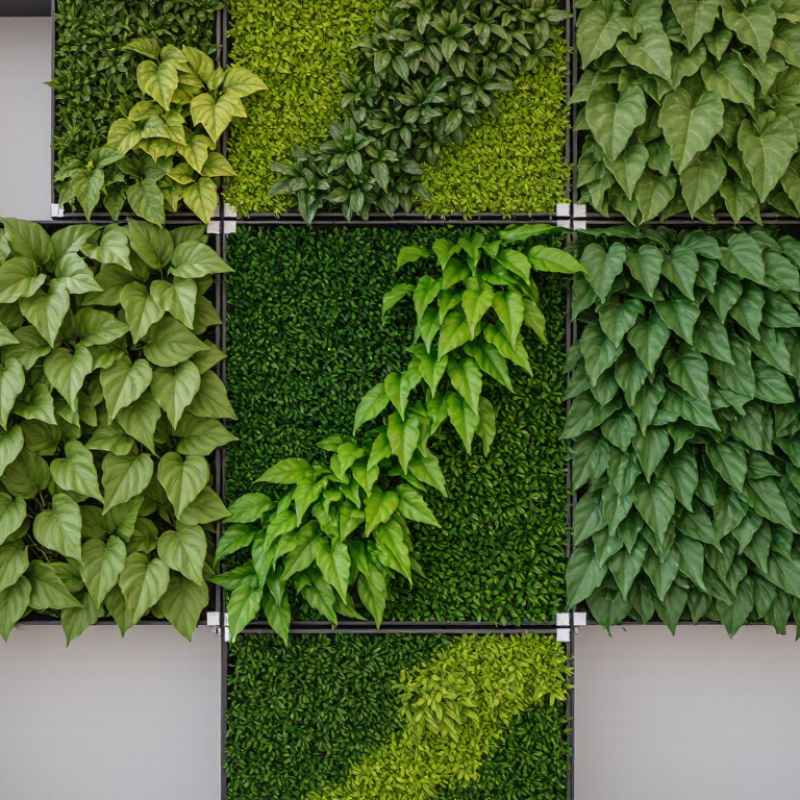
Low, medium or high density; high-density panels generally provide better background coverage |
Use medium-to-high density for feature walls and high-traffic commercial areas |
Higher density can conceal joints and wall surfaces more effectively, while lower density may reduce cost and weight. |
Review close-up photos, edge coverage and a physical sample rather than relying only on product images. |
| Material Composition |
Common materials include polyethylene, polypropylene, polyester, PVC and wire or plastic stems |
Prefer materials selected for the installation environment and supported by technical documentation |
Material choice influences flexibility, color retention, odor, durability, recyclability and fire behavior. |
Request a material declaration, safety data where applicable, and confirmation of the backing and stem materials. |
| UV Resistance |
Required for sun-exposed installations; performance should be supported by a documented test method and exposure period |
Select UV-stabilized foliage for windows, façades, balconies, entrances and covered outdoor areas |
UV exposure can cause fading, discoloration and embrittlement. “UV resistant” without test details is difficult to compare. |
Request the test standard, laboratory report, test duration and any stated color-change or warranty conditions. |
| Fire Performance |
Requirements vary by country, building type and installation location |
Obtain a fire-test report appropriate to the destination market before commercial installation |
Decorative materials may be subject to local building, hospitality, public-space or interior-finish regulations. |
Verify the exact tested product construction, not just a general statement about the material or product family. |
| Water and Moisture Handling |
Indoor panels may require dry conditions; outdoor panels should tolerate the specified moisture exposure |
Use ventilated installation and avoid trapping water behind the panel |
Moisture can affect walls, fixings, backing materials and the appearance of accumulated dust or debris. |
Confirm whether the panel is washable, how it drains, and whether the backing resists moisture. |
| Color Realism |
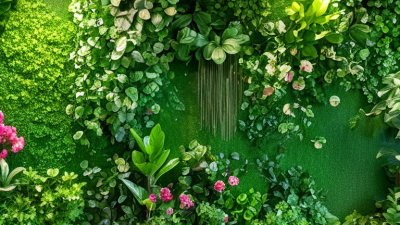
Natural-looking designs usually combine several shades of green, varied leaf sizes and irregular layering |
Choose multi-tone foliage with realistic depth instead of a uniform single-color surface |
Color variation and layered textures reduce the artificial appearance, especially in large uninterrupted walls. |
Compare daylight and indoor-light photos; inspect the product from one to three metres away. |
| Connection System |
Interlocking clips, cable ties, screws, grids or separate support frames |
Use a secure, replaceable connection system compatible with the wall structure |
A good connection system reduces visible gaps, installation time and the risk of panels separating during handling. |
Request installation instructions and test how two sample panels connect at the corners and seams. |
| Wall Compatibility |
Concrete, masonry, metal, timber, drywall or temporary display structures require different fixings |
Select fasteners based on substrate, panel load and local safety requirements |
Using an unsuitable fixing can damage the wall or cause the complete installation to loosen. |
Confirm the substrate, fixing type, spacing, expected load and whether professional installation is required. |
| Maintenance |
Routine dust removal; occasional gentle cleaning with water where permitted |
Choose foliage with accessible surfaces and clear cleaning instructions |
Dust is more visible on dense decorative walls and may reduce the visual quality of the installation. |
Request cleaning methods, prohibited chemicals, replacement guidance and recommended inspection intervals. |
| Odor and Indoor Air Considerations |
New plastic products may have a temporary odor; indoor projects may require low-emission documentation |
Air out products before installation and request relevant indoor-use declarations when required |
Odor sensitivity is especially important in offices, hotels, healthcare settings and residential interiors. |
Request a material declaration or emissions documentation applicable to the destination market. |
| Packaging and Protection |
Panels should be packed to prevent crushed leaves, bent stems and moisture damage during transport |
Use protective cartons with clear panel counts, dimensions and handling marks |
Artificial foliage can be lightweight but bulky, making volume and packing efficiency important for international freight. |
Confirm carton dimensions, gross weight, packing quantity, pallet requirements and damage-claim procedures. |
| Shipping Volume |
Calculate by carton volume as well as product weight; foliage may not compress safely |
Compare the delivered cost per square metre, not only the unit price |
Freight, duties, packaging and local delivery can materially change the total landed cost. |
Request a commercial quotation showing product price, packing, freight assumptions and delivery terms separately. |
| Replacement and Repair |
Modular panels and detachable foliage allow localized replacement |
Choose systems with spare panels or replaceable sections available for future maintenance |
Replacing one damaged panel is usually more economical than removing an entire wall. |
Confirm spare-part availability, matching color batches and the recommended percentage of spare units. |
| Sustainability Factors |
Assess service life, material composition, packaging, repairability and end-of-life options |
Prefer durable modular products with transparent material and packaging information |
Longer service life and repairability may reduce replacement waste, while mixed materials can complicate recycling. |
Request material composition, recycled-content information if claimed, packaging details and disposal guidance. |
| Quality Control |
Check dimensions, color consistency, foliage attachment, backing strength and connector fit |
Approve a production sample before mass shipment |
Sample approval helps control variations between catalog images, pre-production samples and delivered goods. |
Use a written inspection checklist with acceptable limits for defects, color variation and missing foliage. |
| Total Cost of Ownership |
Product, accessories, installation, freight, duties, maintenance and replacement costs |
Rank options by delivered and installed cost per square metre |
The lowest purchase price may not be the lowest-cost solution after installation, shipping and maintenance. |
Compare at least three complete quotations using the same coverage area and installation assumptions. |