Leave Your Message

How to Choose the Best Artificial Plant Wall in 2026?

Choosing the best Artificial Plant Wall in 2026 requires more than comparing photographs and prices. A convincing display should suit your room, climate, maintenance routine, and budget. Dense ivy may soften a concrete balcony, while eucalyptus panels can create a calmer office background. The right choice depends on practical details.

Start by examining leaf quality, panel construction, and installation strength. Look for realistic color variation, flexible stems, secure backing, and concealed connectors. For outdoor use, confirm UV resistance and weather suitability through reliable product documentation. Fire-safety ratings may also matter in commercial spaces, but requirements differ by location. Check local guidance before installation.

Experienced buyers should request physical samples whenever possible. Online lighting can hide plastic shine, repeated patterns, and unnatural green tones. Even premium panels may fade, collect dust, or show seams after several months. That is worth admitting. No artificial greenery stays perfect without care. Measure the wall, calculate panel coverage, and leave room for trimming or future repairs. A reputable supplier should provide clear specifications, warranty terms, cleaning instructions, and responsive support. Customer reviews are useful, though they should not replace independent judgment. This guide will compare appearance, durability, safety, installation, and long-term value. It will also question popular assumptions, because the most expensive Artificial Plant Wall is not automatically the most suitable one.
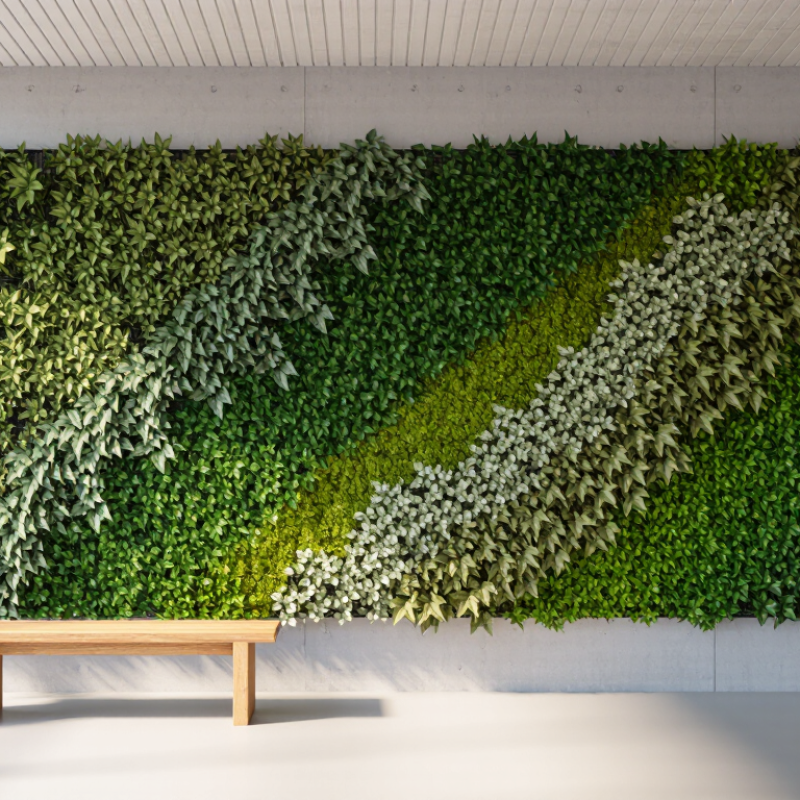
How to Choose the Best Artificial Plant Wall in 2026?

Define Your Artificial Plant Wall Needs and Installation Setting

How to Choose the Best Artificial Plant Wall in 2026?

Define your artificial plant wall needs before comparing colors, textures, or prices. Measure the wall’s width, height, and usable depth. Note nearby windows, doors, vents, switches, and heating sources. A dense panel may look attractive but can block access or collect dust quickly. For a narrow hallway, choose a shallow design with flexible edges. For a reception area, layered foliage can create stronger visual depth.

The installation setting affects durability. Outdoor walls need UV-resistant materials, secure fasteners, and protection from strong wind. Covered balconies still experience moisture and temperature changes. Indoor spaces require stable panels, low-odor materials, and surfaces that can be cleaned without damage. Check the wall substrate before installation. Plasterboard, brick, concrete, and timber need different fixing methods. Do not rely on adhesive alone for heavy sections.

I once planned a plant wall by appearance first, then discovered a hidden electrical panel behind it. That mistake changed the layout and increased the labor. Leave service access where possible. Measure twice. Also consider daily maintenance. Dust is more visible on dark leaves, while pale foliage may fade under direct sunlight. A professional installer can assess load limits and fixing points, but the final choice should match your real space, cleaning habits, and expected use. Some panels look realistic online yet appear repetitive across a large wall. Request close-up samples before ordering.
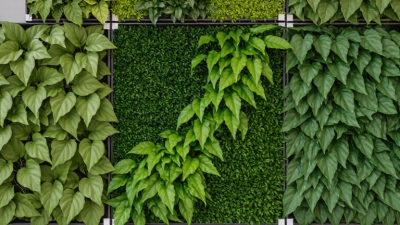
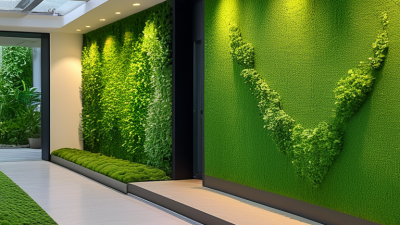
Compare Plant Styles, Materials, Textures, and Realistic Details

Choosing the best artificial plant wall in 2026 starts with its visual language. Ferns create a soft woodland effect, while tropical leaves feel bolder and more architectural. Mixed foliage usually looks more natural than repeated leaf shapes. According to the Human Spaces Global Report, workers in biophilic environments reported 15% higher wellbeing, 6% higher productivity, and 15% more creativity. These figures describe survey associations, not guaranteed results. Still, they support careful use of greenery in offices and hospitality spaces.

Material quality matters more than density. Polyethylene leaves often hold sharper veins and stronger edges than cheaper plastic. Polyester can provide softer movement, but its surface may look flat under direct lighting. Check the backing too. A stable grid prevents sagging and supports safer installation. Texture is the quiet test: rub a leaf gently. Realistic foliage should show uneven thickness, subtle color changes, and varied gloss. Perfect symmetry often exposes the product.

Tips: View samples under daylight and warm lamps. Measure the wall before ordering. Leave small visual gaps between clusters. Inspect the rear mesh, not only the front. Ask for fire-performance documentation where building rules require it. I once preferred a dense panel, then noticed its repeated leaves from three meters away. It looked artificial. That mistake still matters. Grand View Research identifies continued growth in the artificial flowers and plants market, but market growth does not equal realism. Choose fewer convincing details over excessive foliage.

How to Choose the Best Artificial Plant Wall in 2026? – Compare Plant Styles, Materials, Textures, and Realistic Details
Plant Wall Style Best Use Typical Foliage Form Common Material Structure Texture and Depth Color Variation Typical Panel Depth UV and Moisture Suitability Maintenance Level Realism Rating Key Selection Detail
Boxwood Wall Formal entrances, office reception areas, patios, and privacy screens Small, dense rounded leaves arranged in compact clusters Polyethylene or polypropylene leaves attached to a plastic grid, usually with a lightweight backing Dense coverage with a neat, clipped appearance; limited shadow depth unless the panel has layered foliage Usually two to four green tones, ranging from light new growth to deep green Approximately 4–8 cm Suitable for outdoor use only when specifically UV-treated; moisture-resistant construction is common Low; occasional dusting, rinsing, and inspection of clips or fasteners ★★★★☆ Choose mixed leaf sizes and visible internal depth to avoid a flat, repetitive hedge effect
Fern Wall Bathrooms, hospitality interiors, shaded balconies, and biophilic office designs Feathery fronds with narrow leaflets and spreading silhouettes Polyester or polyethylene fronds fixed to a flexible plastic lattice Soft, layered texture with strong movement and overlapping fronds Often includes light, medium, and dark green shades for a more natural canopy Approximately 8–18 cm Generally better for indoor or sheltered locations; outdoor use depends on UV stabilization and drainage Low to moderate; delicate fronds require gentle cleaning and occasional reshaping ★★★★★ Look for varied frond lengths, asymmetrical placement, and matte rather than glossy surfaces
Ivy and Trailing Vine Wall Feature walls, cafés, staircases, retail displays, and narrow vertical spaces Heart-shaped or pointed leaves connected by trailing stems Polyester fabric, polyethylene leaves, and flexible plastic or wire stems Irregular cascading texture with gaps, overlaps, and visible directional growth Commonly combines solid green, variegated green, and pale green leaves Approximately 6–20 cm, depending on the length of the vines Indoor use is typical; outdoor performance requires UV-resistant leaves, stems, and backing Low; dust removal and occasional repositioning of trailing stems ★★★★☆ Natural-looking variation is more important than maximum density; avoid uniform rows of identical leaves
Eucalyptus Wall Modern homes, wellness areas, salons, restaurants, and minimalist interiors Rounded or elongated leaves on slender branching stems Polyester or polyethylene leaves with plastic stems and a modular grid backing Airy, layered structure with open spaces and a soft botanical silhouette Silver-green, blue-green, muted green, and occasional dusty gray tones Approximately 8–16 cm Best for indoor or sheltered areas; prolonged direct sun may fade non-UV-treated foliage Low; gentle dusting is usually sufficient ★★★★☆ Choose a matte finish and several leaf sizes to reproduce the silvery, slightly powdery appearance of eucalyptus
Tropical Mixed-Foliage Wall Hotels, entertainment venues, large living spaces, pool areas, and statement installations Large leaves mixed with palms, philodendron-style leaves, vines, and smaller fillers A combination of polyethylene, polyester, molded plastic, and flexible stems on a reinforced grid High visual depth created by broad leaves, overlapping layers, and different growth directions Usually includes several greens with occasional yellow-green, bronze, or variegated accents Approximately 10–25 cm Suitable for outdoor placement only when every component is UV-rated; drainage and secure fixing are important Moderate; larger surfaces collect more dust and may need periodic reshaping ★★★★★ Prioritize botanical variety, realistic leaf veins, and an uneven composition rather than repeated patterns
Moss-Style Wall Acoustic feature zones, quiet interiors, reception desks, studios, and low-light areas Low, compact, cushion-like or tufted surface without prominent leaves Polyester fibers, polyethylene clusters, or preserved-moss-inspired synthetic fibers on a backing board Fine, dense texture with minimal projection and a continuous carpet-like surface Typically uses several shades of green, including olive, forest, and yellow-green Approximately 2–8 cm Primarily intended for dry indoor environments; synthetic versions should be checked for moisture and fire-performance ratings Low; use low-pressure air or a soft brush to remove dust ★★★☆☆ Choose varied fiber lengths and tonal blending to prevent an artificial, single-color appearance
Succulent and Desert Wall Contemporary interiors, sunrooms, cafés, home offices, and dry-climate décor Rosettes, fleshy leaves, compact stems, and small cactus-inspired forms Molded polyethylene or polyurethane foliage with plastic or wire stems Structured, sculptural texture with moderate depth and clearly defined leaf shapes Green, blue-green, dusty gray, burgundy, and muted yellow-green accents are common Approximately 5–15 cm Indoor use is common; outdoor suitability depends on UV treatment and resistance to temperature changes Low; wipe broad surfaces carefully and remove dust from narrow joints ★★★★☆ Look for natural color transitions, slightly irregular rosette spacing, and non-glossy leaf coatings
Flowering Accent Wall Events, hospitality spaces, retail displays, wedding décor, and decorative focal points Green foliage combined with blossoms, buds, or small floral clusters Polyester or fabric flowers with polyethylene foliage and plastic stems High contrast between soft petals and structured leaves; depth varies by flower size Green foliage paired with white, blush, yellow, red, purple, or mixed floral colors Approximately 8–22 cm Usually best indoors or in sheltered locations; fabric flowers may fade faster in direct sunlight Moderate; petals may require careful dusting and occasional repositioning ★★★☆☆ Use restrained color repetition and varied bud stages to create a more convincing natural composition

Note: Dimensions, material combinations, UV performance, and expected service life vary by construction quality and installation conditions. For outdoor projects, verify UV stabilization, temperature tolerance, drainage, fire classification, and the strength of the mounting system before purchase.

Evaluate Size, Coverage, Durability, and Maintenance Requirements

How to Choose the Best Artificial Plant Wall in 2026?

Measure the installation area before comparing artificial plant walls. Record width, height, corners, outlets, and nearby furniture. A panel that looks generous online may leave visible gaps at the edges. Measure twice. For full coverage, calculate the wall’s square footage and add roughly 10 percent for trimming or pattern matching. I once underestimated a narrow return wall, and the final layout looked noticeably unfinished. Dense foliage can also make a small room feel crowded, so compare leaf scale with the room’s viewing distance.

Durability depends on more than attractive leaves. Check the backing material, connection strength, color stability, and documented UV resistance. Outdoor installations need construction that tolerates sunlight, humidity, and changing temperatures. Tug several leaves gently during inspection; loose stems suggest weak assembly. Fire-safety documentation may also matter for commercial interiors. Do not trust appearance alone. Photos cannot reveal brittle plastic or thin mesh.

Maintenance should fit your actual routine. Look for foliage that can be removed, rinsed, or wiped without shedding. Dust collects heavily along textured leaves and lower panels. A soft brush, microfiber cloth, and occasional low-pressure rinse usually work better than harsh chemicals. Leave space behind the wall for inspection and cleaning. I prefer realistic variation over perfectly uniform coverage, although uneven trimming can become frustrating. Plan for small repairs, because replacement pieces may not match after prolonged sunlight.

This chart compares typical planning benchmarks for artificial plant walls in different environments. Panel size and coverage are shown in square metres, expected service life in years, and routine maintenance in minutes per square metre per month. Outdoor exposure, direct sunlight, dust, and weather typically increase maintenance needs and reduce service life.

Check Safety Features, Sustainability, and Indoor or Outdoor Suitability

How to Choose the Best Artificial Plant Wall in 2026?

In 2026, a convincing artificial plant wall should pass a safety check before a beauty check. The U.S. EPA reports that indoor pollutant levels can be two to five times higher than outdoor levels. Dusty foliage can worsen that reality. Choose tightly finished leaves, low-shedding fibers, and a backing that can be vacuumed. Ask for fire-test paperwork, not vague “safe” language. Depending on location, check documented performance under ASTM E84 or EN 13501-1. These tests are not interchangeable. The certificate must match the exact material and assembly.

Sustainability needs more than a recycled-content percentage. The OECD estimates that only 9% of plastic waste was recycled globally in 2019. Material choice and disposal planning therefore matter. Prefer modular panels, replaceable stems, recycled polymers with traceable content, and fewer mixed materials. Request a life-cycle statement or environmental declaration. Still, question impressive claims without independent verification. A durable wall may outperform a cheaper wall replaced every two years.

Indoor and outdoor walls require different evidence. Outdoors, check UV exposure data, water resistance, drainage, wind anchoring, and temperature limits. ISO 4892-3 can guide accelerated UV testing, but laboratory aging cannot perfectly predict a shaded balcony. Indoors, inspect edges, odor, cleaning access, and distance from heaters or exits. Do not assume “UV-resistant” means weatherproof. I once focused too heavily on realistic color. Maintenance access mattered more. The prettiest panel became a dust trap.

Set a Budget and Select the Best Artificial Plant Wall in 2026

How to Choose the Best Artificial Plant Wall in 2026?

Set a realistic budget before comparing artificial plant walls. A low price may hide thin foliage, weak backing, or uneven color. In my experience, durable panels cost more but need fewer replacements. Measure your wall carefully, then add ten percent for trimming and installation waste. Include hooks, clips, and possible delivery fees. A complete budget prevents unpleasant surprises.

Tips: Compare cost per square meter, not per panel. Check UV resistance for balconies and bright rooms. Look for dense leaves with several shades of green. Natural variation matters. Ask for close-up photos of the backing and leaf connections. Also, check cleaning instructions and return conditions before ordering.

Select materials that match your space and maintenance habits. Polyethylene foliage usually feels more flexible, while fabric leaves can appear softer indoors. For busy areas, choose firmly attached leaves and a stable, lightweight frame. Check whether the wall covering has clear safety documentation for your region. Do not assume every “realistic” product performs well outdoors. I once underestimated sunlight exposure, and the color faded faster than expected. That mistake changed how I judge quality. Think beyond appearance. Consider installation time, ventilation, dust buildup, and future repairs. A slightly smaller, stronger wall may serve better than a large, fragile display.