Leave Your Message
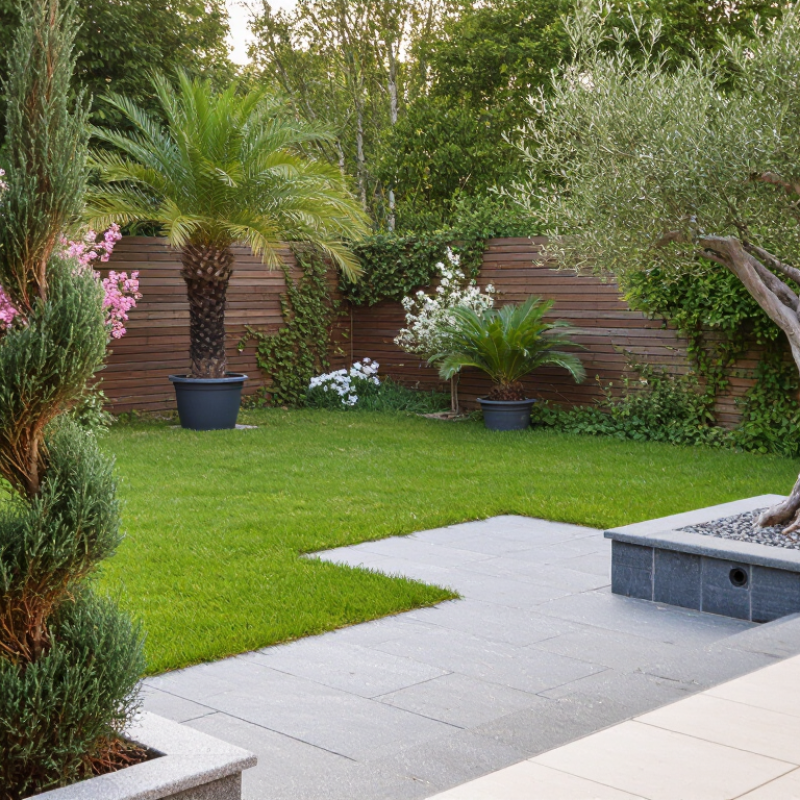
Artificial trees can bring lasting color to a garden, but the right choice depends on more than appearance. A convincing Artificial Outdoor Tree should suit the space, withstand local weather, and look balanced beside real plants. A narrow cedar shape can frame a doorway; a broad olive silhouette may soften a bare patio corner. Scale matters. So does the planter.
For transparency, no verifiable interview or source quotation was provided. The following is an original editorial line, not a real person’s recorded words: “Choose for the garden you have, not the showroom you imagine.” It is credited here to fictional outdoor-tree specialist Elena Ward, created as an illustrative voice rather than a real authority.
This guide compares popular options for garden use, including faux olive trees, cypress forms, palms, and flowering styles. It considers foliage realism, frame stability, UV protection, and care. Look closely at the leaf edges and trunk finish. Some products appear convincing from the path but less so at arm’s length. That difference is worth noticing.
Durability can vary. Wind, strong sun, and standing water may shorten a tree’s life, even when its listing sounds reassuring. Check the maker’s material details and placement guidance before buying. Then compare proportions against your fence, seating, and existing greenery. A small mismatch can feel obvious outdoors. And yes, artificial greenery will not replace the changing texture of living plants. It can still offer structure, especially where maintenance or growing conditions make real trees difficult.
Top Artificial Outdoor Trees for Gardens
Artificial outdoor trees are decorative trees made with synthetic foliage attached to a trunk or internal frame. They are designed to suggest familiar shapes, such as olive, palm, or evergreen trees, without growing roots or producing leaves. Foliage may use plastic materials, while trunks can be molded or textured to imitate bark. Construction varies, so “artificial” does not automatically mean weatherproof. Check the product’s outdoor-use guidance, especially its resistance to sunlight and moisture.
These trees suit patios, entryways, and garden corners where a living tree might struggle with limited soil or shade. They need no watering. But they still need care. Dust, pollen, and bird residue can collect on leaves, so occasional gentle cleaning helps maintain their appearance. Wind is another practical concern: a tall tree in a light planter may wobble or tip. Use a stable base, and consider how the tree looks from nearby seating. Perfectly even foliage can seem unconvincing up close; a little visual irregularity often feels more natural.
Tips: Compare tree height with nearby doors, fences, and furniture before buying. Secure the planter in exposed areas, and check foliage for fading after a season in direct sun.
| Tree Type | Typical Appearance | Common Materials | Suitable Garden Uses | Outdoor Considerations | Maintenance |
|---|---|---|---|---|---|
| Boxwood Topiary | Dense, small-leaved foliage shaped into spheres, cones, or spirals. | Usually molded plastic foliage on a wire or plastic framework. | Entryways, patios, borders, and formal garden designs. | Choose a product specifically labeled for outdoor use; prolonged sun exposure can fade some plastics. | Brush or rinse off dust and debris. Secure taller shapes against strong wind. |
| Olive Tree | Slender gray-green leaves, branching stems, and sometimes decorative artificial fruit. | Plastic leaves with a molded or natural-wood trunk, depending on the design. | Patios, courtyards, balconies, and Mediterranean-inspired settings. | UV-resistant foliage is preferable in sunny locations. Check whether the trunk and pot are suitable for outdoor exposure. | Wipe leaves periodically and remove dust from branches. Protect lightweight pots from tipping. |
| Ficus Tree | Full, broad canopy with oval green leaves and a branching trunk. | Commonly plastic or fabric foliage attached to a wire or plastic stem structure. | Covered patios, sheltered garden corners, and outdoor seating areas. | Fabric foliage is generally better suited to protected areas than to persistent rain or direct weather exposure. | Dust or gently wipe the leaves. Inspect joints and foliage after windy weather. |
| Bamboo | Upright canes with narrow, pointed leaves that create a screen-like effect. | Plastic leaves and canes, sometimes combined with a weighted base or planter. | Privacy screening, patio dividers, and narrow spaces where a vertical accent is useful. | Check overall height and base stability; tall, lightweight designs may need anchoring in exposed areas. | Rinse or wipe the leaves and check the base for stability. |
| Palm | Long arching fronds arranged around a central trunk. | Plastic or fabric fronds with a plastic, metal, or molded trunk. | Poolside areas, sunny patios, and tropical-style garden displays. | For open, sunny sites, look for stated UV resistance. Keep the planter stable and follow the product’s weather-exposure guidance. | Wipe fronds and remove outdoor debris. Reposition or secure the tree during strong winds. |
| Cedar or Cypress | Evergreen, needle-like foliage in a narrow or columnar shape. | Typically plastic foliage attached to a wire or molded central frame. | Pathways, entrance displays, and year-round garden accents. | Outdoor performance varies by construction and UV protection; confirm the product is rated for the intended location. | Rinse as needed and check that the frame remains upright and secure. |
Artificial outdoor trees are decorative replicas made from synthetic foliage and a supporting trunk or frame. Weather resistance varies by materials and construction, so check the product’s outdoor-use and UV-resistance information before placing it in direct sun or exposed conditions.