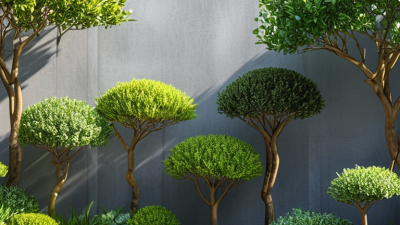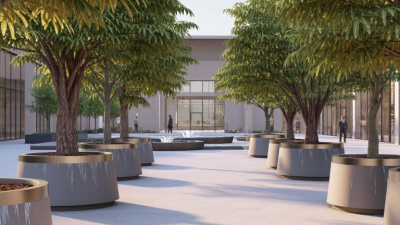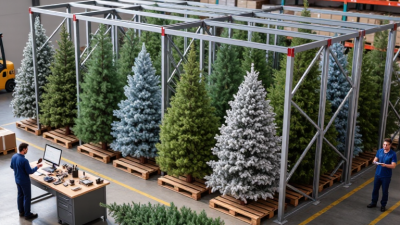
Choosing an Artificial Outdoor Tree in 2026 requires more than matching leaves to a patio. The right choice should balance appearance, weather resistance, stability, and long-term value. A realistic tree can soften a concrete balcony, frame an entrance, or add privacy beside a pool. Yet a beautiful product may still fail under strong sunlight or seasonal storms.
Begin by examining the materials closely. UV-resistant polyethylene foliage usually holds its color better than untreated plastic. Look for reinforced trunks, flexible branches, and a container with enough weight for your local wind conditions. A narrow base may suit a sheltered apartment balcony, while a wider planter offers better stability in an exposed garden. Check the product’s care instructions, warranty, and published outdoor-use rating. These details are more reliable than polished showroom photographs.
Think about the whole setting. Measure ceiling height, walking space, drainage, and nearby furniture before ordering. A 1.8-meter tree can feel modest outdoors but overwhelming beside a small doorway. Consider how rain will collect inside the planter. Poor drainage can damage surfaces and weaken the base over time. Maintenance should also be realistic; even low-care foliage needs occasional dust removal and inspection.
No option is perfect. Some highly realistic trees cost more, while affordable designs may repeat leaves noticeably. Imitation can look convincing from a distance, yet less natural up close. That is not always a problem. The best decision depends on viewing distance, climate, budget, and personal tolerance for upkeep. This guide will help you compare those trade-offs carefully and choose with greater confidence.
Start with the space, not the tree. Decide what the tree must do. It may soften a bare balcony, frame an entrance, or create privacy beside a patio. A narrow corner needs a slim silhouette. A large terrace can support a fuller canopy. Measure the height, width, and walking clearance before shopping. Leave enough room for doors, chairs, and routine cleaning.
Outdoor conditions matter. A tree beside a bright south-facing wall may need strong UV-resistant foliage. A windy rooftop needs a heavy, stable planter and secure anchoring. Check whether the base can drain water safely. Standing water can stain surfaces and weaken some materials over time. I once focused too much on visual height and overlooked maintenance access. It looked impressive, but cleaning behind it became inconvenient. Placement should remain practical.
Tips: Mark the proposed footprint with tape for one day. Observe sunlight, wind, rain, and foot traffic. Choose a realistic size, even if a larger tree looks more dramatic online. Inspect leaf density from several angles. Sparse areas can become obvious near entrances. For shared or commercial spaces, verify local safety requirements and keep emergency paths clear. Reassess the location after installation. A tree can fit perfectly on paper and still feel crowded in real use.
Choose a tree type that suits the outdoor setting, not only your decorating style. Palm trees create a relaxed balcony atmosphere. Olive trees add a silvery, Mediterranean feel to patios. Boxwood or ficus forms look more structured beside modern entrances. In my experience, realistic leaves matter most at eye level. Check whether the foliage has varied tones and natural spacing. Flat, repeated leaves can make a large tree look artificial quickly.
Measure the space before choosing the size. Leave enough room for doors, walkways, and nearby furniture. A tree under eight feet often suits a compact balcony. Larger courtyards can handle trees between nine and twelve feet. Do not ignore the container. A narrow pot may look elegant, but it can become unstable in strong wind. Use a heavy base and follow the installation guidance carefully. Outdoor trees should also have UV-resistant foliage and materials suited to changing weather.
Shape changes how the space feels. A tall, slim form draws the eye upward in a narrow corner. A wide canopy provides visual softness beside hard walls. For windy locations, a less dense shape may create less resistance. Still, I once chose a sparse tree for a bright terrace, and it looked unfinished. That choice needed more thought. Inspect the tree from several angles, especially from the main seating area. Natural asymmetry usually looks more convincing than perfect symmetry. No artificial tree is maintenance-free; occasional dusting and checking the base remain necessary.
How to Choose an Artificial Outdoor Tree in 2026?
Material choice affects appearance, safety, and service life. Polyethylene foliage usually feels softer and more natural than low-grade PVC. A powder-coated steel trunk resists dents better than thin painted tubing. Check the base closely. It should feel heavy, drain properly, and remain stable during gusty weather. The World Meteorological Organization reported that 2024 was the warmest year recorded, with global temperatures about 1.55°C above the pre-industrial average. Hotter conditions can accelerate fading, warping, and seal failure.
UV protection needs more than a vague “outdoor use” label. Ask whether the leaves contain UV stabilizers, not merely surface color. The U.S. Environmental Protection Agency rates a UV Index of 8–10 as very high and 11 or higher as extreme. A tree on a bright patio may face intense exposure for hours. Look for test references such as ASTM G154 or ISO 4892-3, which evaluate accelerated weathering. These tests help, but they do not perfectly copy your balcony, garden, or coastal air.
Weather resistance also depends on small details. Sealed joints reduce water entry. Rust-resistant fasteners protect hidden connections. Removable pots make winter storage easier. I would inspect one sample outdoors after rain, then check brittle leaves and chalky surfaces. Marketing claims can sound precise, but they rarely explain test duration. That is a weakness worth questioning. A darker tree may look richer initially, yet it can reveal uneven fading sooner.
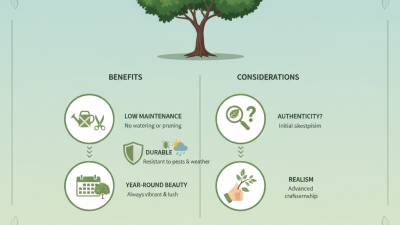
Ratings use a practical 1–5 scale based on the typical outdoor performance of each material: resistance to moisture, temperature changes, fading, and sunlight exposure. UV-stabilized polyethylene generally offers the strongest balance for foliage, while polyester fabric and untreated PVC require greater protection from direct sunlight and severe weather. Actual durability depends on UV additives, construction quality, drainage, installation, and local climate.
Realism should begin with close inspection, not product photos. Look for varied green tones, irregular branch spacing, and matte needles that do not shine like plastic. UV-resistant materials also matter, especially on balconies with strong afternoon sun. ASTM G154 provides a recognized method for testing plastic exposure to ultraviolet light, but test results still need careful interpretation. I once valued a dense appearance too highly. It looked convincing indoors, yet crowded branches trapped dust outdoors.
Maintenance is usually lower than with living trees, but it is not zero. Outdoor dust, pollen, bird residue, and moisture collect around branch joints. A washable frame and removable sections make seasonal cleaning easier. Check the manufacturer’s outdoor-use instructions, including temperature and UV limits. Weak instructions are a warning sign. Small details matter.
Stability and safety deserve greater weight than realism. ASCE 7-22 wind provisions show that wind pressure depends on speed, exposure, height, and shape. A tall, lightweight tree therefore needs a weighted base or secure anchoring. Never rely on a decorative pot alone. NFPA’s Christmas Tree Fires report recorded about 160 U.S. home fires annually from 2016–2020, causing roughly 10 million dollars in direct property damage. Keep artificial foliage away from heat sources, use outdoor-rated electrical equipment, and inspect cords after storage. My practical mistake was checking appearance first. Stability should come first.
How to Choose an Artificial Outdoor Tree in 2026?
Set a complete budget before comparing shapes, heights, or leaf density. Include the tree, pot, weighted base, delivery, and protective cover. Measure the balcony, patio, or entrance carefully. A tall tree can look impressive online but overwhelm a narrow space. I once underestimated wind exposure, and the base became the real expense. Leave room for replacement leaves or repairs. A cheaper tree is not always a saving. Its fading color may create costs within one season.
Verify quality through details, not photographs alone. Look for UV-resistant foliage, sturdy internal wiring, and a galvanized or rust-resistant trunk. Check whether the pot has drainage and enough weight for local weather conditions. Examine close-up images for loose seams, uneven coloring, and visible plastic edges. Reliable sellers should provide material information, care instructions, warranty terms, and a clear return policy. Independent reviews can help, but read recent comments about outdoor performance. Product claims deserve evidence.
Tips: Request a sample photo in natural daylight. Compare the stated height with the pot included. Bend a branch gently. It should flex without cracking. Ask how the foliage was tested for sunlight exposure. Remember, “weather-resistant” does not mean storm-proof. Secure the tree when strong winds are expected.