How to Choose the Best Artificial Outdoor Tree for Your Needs?
Choosing the right Artificial Outdoor Tree can significantly enhance your outdoor space. According to a recent report by the National Association of Landscape Professionals, 75% of homeowners prefer the aesthetic appeal and low maintenance of artificial options. Expert Mark Wallace emphasizes, "Artificial outdoor trees offer a perfect blend of beauty and practicality, but selection requires careful consideration."
Many people overlook essential factors when selecting these trees. The variety of shapes, sizes, and materials can be overwhelming. In a study by the Outdoor Decor Council, it was found that 68% of consumers regretted their choice due to incompatibility with their outdoor themes. This highlights the importance of making informed decisions.
Artificial Outdoor Trees are not just about looks; they also withstand harsh weather conditions. However, consumers must recognize that quality varies among brands. Investing in the right product can prevent future disappointments. Understanding what you truly want is key. These trees should complement your home, not just fill a space.
Understanding Different Types of Artificial Outdoor Trees and Their Benefits
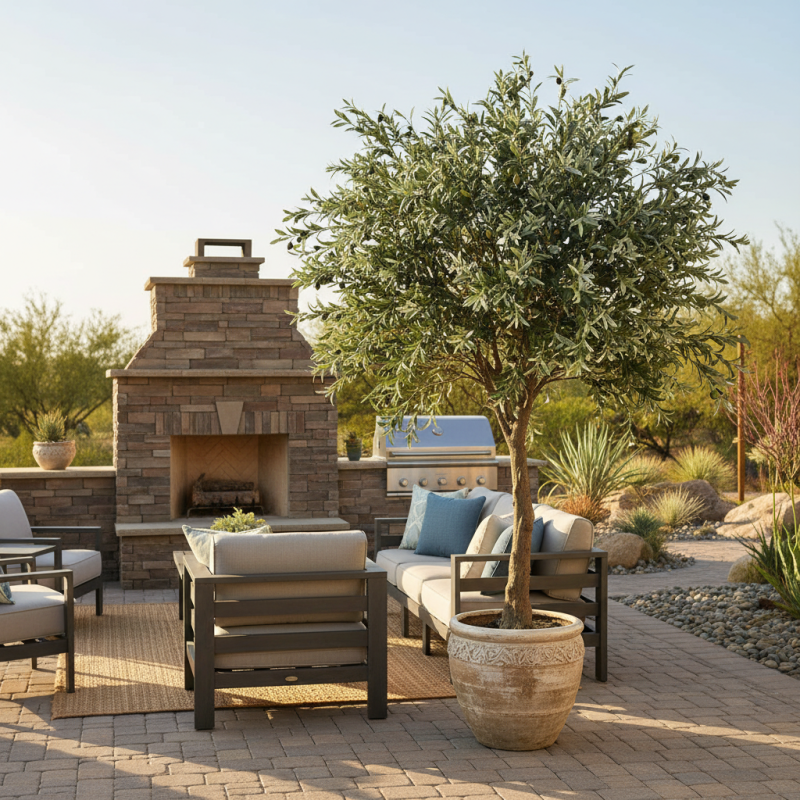
When selecting an artificial outdoor tree, it’s essential to understand the various types available. Common options include palm trees, evergreens, and flowering trees. According to a 2021 industry report by Luxresearch, the artificial foliage market is projected to grow by 7.8% annually. This highlights a rising demand for realistic and enduring outdoor decor.
Each type of artificial tree offers unique benefits. For instance, palm trees evoke a tropical feel, making them ideal for poolside areas. On the other hand, evergreens provide year-round greenery, which adds structure to any garden. A survey from The Garden Center Group noted that 65% of consumers prefer low-maintenance plants. Artificial trees fit this need perfectly, requiring no watering or pruning.
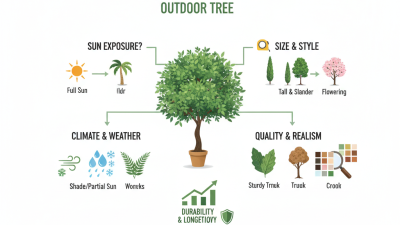
While these trees can enhance your outdoor aesthetics, consideration of their placement is vital. Improper positioning can result in a cluttered look. Choose a size that complements the space. An overly large tree in a small garden may overwhelm the area. Reflecting on how these factors influence your overall design can ensure a harmonious outdoor environment.
Assessing Quality Metrics: Materials, Durability, and Realism in Design
When selecting an artificial outdoor tree, it's crucial to assess materials. High-quality trees often use UV-resistant plastics. This helps prevent fading from direct sunlight. Look for variations in texture and color. These details enhance realism. Natural-looking trees can blend seamlessly into your outdoor space.
Durability is another key factor. A well-constructed tree withstands harsh weather. Check for rust-resistant frames and sturdy bases. Test flexibility by gently bending branches. This ensures they won't break easily. Your investment will last longer with durable design.
Realism in design plays a significant role. Pay attention to leaf shapes and branching patterns. Some trees may appear overly uniform or plastic-like. This may detract from their natural beauty. Consider how these trees complement your landscape. An artificial tree should enhance your environment, not clash with it. Each choice reflects personal style and consideration for aesthetic harmony.
Quality Metrics of Artificial Outdoor Trees
Evaluating Size and Scale: Fit for Your Outdoor Space and Aesthetic Goals
Choosing the right artificial outdoor tree involves careful consideration of size and scale. It’s crucial to evaluate your outdoor space accurately. Measure your area and note any surrounding features, such as patios or pools. This helps ensure the tree will not overwhelm or get lost in your landscape. A tree that is too large can dominate a small yard, while a tiny tree may seem insignificant in a vast space.
Aesthetics play a vital role too. Think about the style of your home and garden. Does your space have a modern or traditional look? The tree’s size should complement these elements. Additionally, consider how the tree will look in different seasons. For example, an evergreen may provide year-round color, while a deciduous tree may offer seasonal interest.
Personal reflections on past experiences can also guide your decision. Have you ever felt that a specific plant didn’t fit your space? Take note of that. This mindfulness can prevent future missteps. Testing different heights and shapes using temporary markers is a practical approach. Ultimately, finding a balance between size, scale, and style will enhance your outdoor environment significantly.
Cost Considerations: Budgeting for Premium vs. Budget-Friendly Options
When selecting an artificial outdoor tree, cost is a crucial factor. You may face the dilemma of choosing between premium and budget-friendly options. Premium trees often offer better realism and durability. They might be manufactured with high-quality materials that withstand various weather conditions. This investment can pay off in the long run, as they require less maintenance and can last for years.
On the other hand, budget-friendly options can save you money upfront. They might not be as realistic or durable, but they can still enhance your outdoor space. If you’re working with a limited budget, consider how often you will use the tree. Will it be a permanent fixture or used for seasonal decor? Assessing your needs can help you make a more informed choice.
Ultimately, the decision may involve trade-offs. Investigate customer reviews to gauge satisfaction levels. This can provide insights into the quality of the tree over time. Think about where the tree will be placed and how much wear and tear it might face. Your choice should reflect both your aesthetic preferences and practical considerations.
Maintenance Requirements: Ensuring Longevity and Fresh Look for Your Tree
When selecting an artificial outdoor tree, maintenance is essential for longevity and a fresh appearance. Regular cleaning is crucial. Dust and dirt can accumulate, making the tree look dull. Use a soft cloth or a gentle brush to remove debris. A mild soap solution works well for tougher spots. Be cautious with solvents and avoid anything harsh that could damage the material.
Positioning also plays a significant role in maintenance. Choose a shaded area to prevent fading from sunlight. Harsh weather can take a toll too. If possible, move your tree indoors during extreme conditions. This simple practice can significantly extend its life. Remember, even artificial trees can suffer from wear and tear. Inspect them periodically for signs of damage. A little effort can go a long way in maintaining a vibrant and appealing appearance.
How to Choose the Best Artificial Outdoor Tree for Your Needs?
| Feature |
Details |
| Material |
UV-resistant polyethylene or PVC |
| Height |
4 feet to 12 feet |
| Weight |
10 lbs to 50 lbs |
| Maintenance |
Occasional dusting and rinsing with water |
| Lifespan |
5 to 10 years with proper care |
| Weather Resistance |
Resistant to rain, sun, and snow |
| Realism |
High-quality models look very lifelike |
| Application |
Gardens, patios, commercial spaces |
| Color Options |
Green, Autumn, Flowering |