2026 Best Artificial Trees for Sustainable Living Solutions?
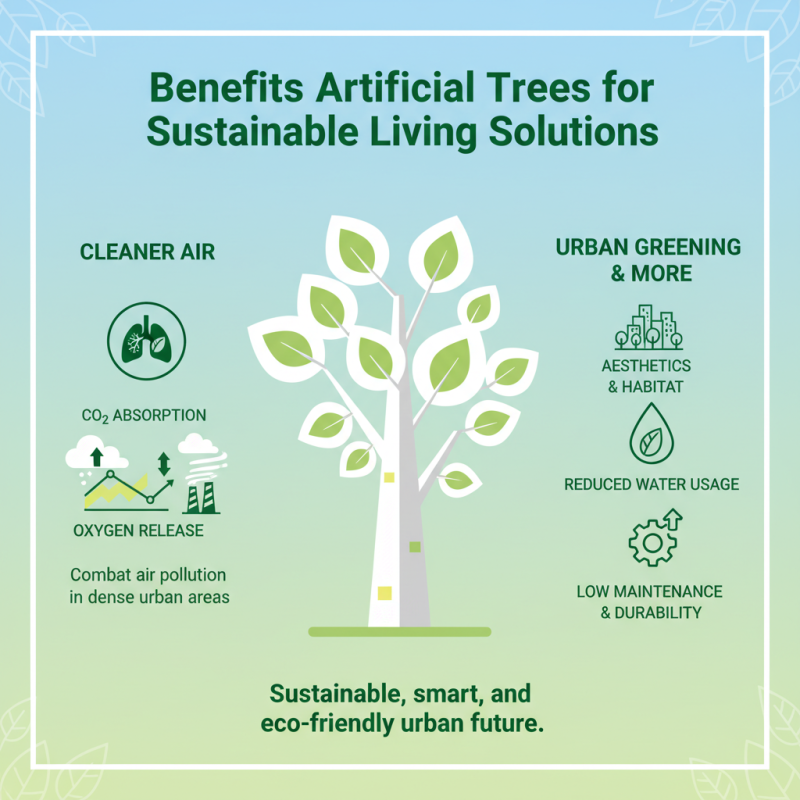
Artificial Trees are emerging as vital solutions for sustainable living. According to Dr. Sarah Green, an expert in sustainable technologies, “Artificial Trees can transform urban spaces and enhance air quality.” These innovative structures mimic natural trees but offer unique benefits. They efficiently absorb carbon dioxide and release oxygen, playing a crucial role in combating climate change.
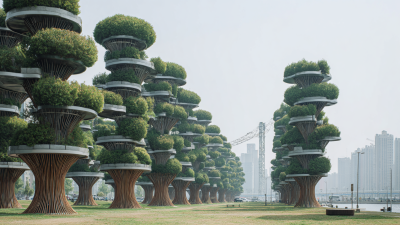
The concept of Artificial Trees has gained traction in recent years. They do more than just improve aesthetics; they enhance environmental health. Many cities are exploring this technology to address pollution and decrease heat. However, the implementation of these systems is not without challenges. Questions about cost, maintenance, and the overall effectiveness require careful consideration.
As we look toward 2026, the potential of Artificial Trees encourages optimism. Yet, it is essential to reflect on their limitations. Can they fully replace natural trees? How do we ensure technology aligns with ecological balance? Engaging in these discussions will be key to advancing sustainable living solutions.
Benefits of Artificial Trees for Sustainable Living Solutions
Artificial trees have gained attention as sustainable living solutions. These structures mimic natural trees but offer distinct benefits for urban environments. They can help combat air pollution by absorbing carbon dioxide and releasing oxygen. This process contributes to cleaner air in densely populated areas.
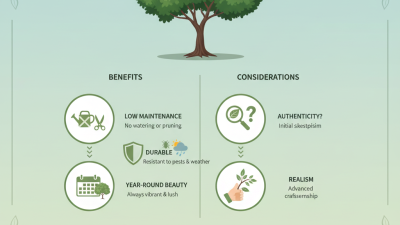
Furthermore, artificial trees require less maintenance compared to natural trees. They do not need water, fertilizers, or regular pruning. This aspect makes them a convenient choice for busy urban dwellers. However, it's essential to acknowledge that they are not a complete replacement for natural greenery. Artificial trees lack biodiversity support and cannot host wildlife.
While their design can improve urban aesthetics and promote sustainability, relying solely on them may lead to ecological imbalance. Reflecting on our dependence on technology, it’s critical to integrate artificial trees with natural habitats. This approach encourages a comprehensive method to enhance city environments while addressing environmental concerns.
Comparative Analysis of Materials Used in Artificial Trees
The materials used in artificial trees play a crucial role in promoting sustainable living. Many artificial trees are made from plastic, which raises concerns about environmental impact. While plastic is durable and easy to mold, it often ends up in landfills, contributing to pollution. Some manufacturers are exploring alternatives, like recycled materials, but these options can be limited.
Another approach involves using biodegradable materials. These can break down over time, posing less of a threat to the environment. However, the durability and lifespan of these materials can be underwhelming. Consumers might appreciate a product that is eco-friendly but may also desire longevity and robustness. Striking this balance is essential but often overlooked.
Research into hybrid materials is ongoing. These blends aim to provide both durability and a lower environmental footprint. Yet, the efficacy of such solutions remains uncertain. As the market evolves, continuous assessment of these materials will be key. Understanding their lifecycle impacts is paramount to making informed choices in the realm of sustainable artificial trees.
Top 2026 Artificial Tree Models for Eco-Friendly Homes
Artificial trees are becoming a popular choice for sustainable living. They offer a way to bring nature indoors without the maintenance of natural trees. The market for artificial trees is expected to grow significantly. According to recent industry reports, the global artificial tree market could reach over $1 billion by 2026. This growth is driven by increasing awareness of environmental issues.
When choosing artificial trees, consider their eco-friendliness. Many models are made from recycled materials. Look for those that have minimal environmental impact during production. However, not all artificial trees are created equal. Some may not be recyclable, which can lead to waste issues. Be sure to do thorough research before purchasing.
Tips for adding artificial trees to your home include selecting the right size and style for your space. Large trees can serve as stunning focal points. Small varieties can add subtle touches in corners. Ensure they complement your existing décor. Avoid overloading your home with too many artificial plants. Balance is key in creating a harmonious living environment.
2026 Best Artificial Trees for Sustainable Living Solutions
This chart illustrates the popularity and environmental impact of various types of artificial trees available in 2026. Each type showcases its contribution to eco-friendly homes through different metrics.
Maintenance and Longevity of Artificial Trees in Sustainable Living
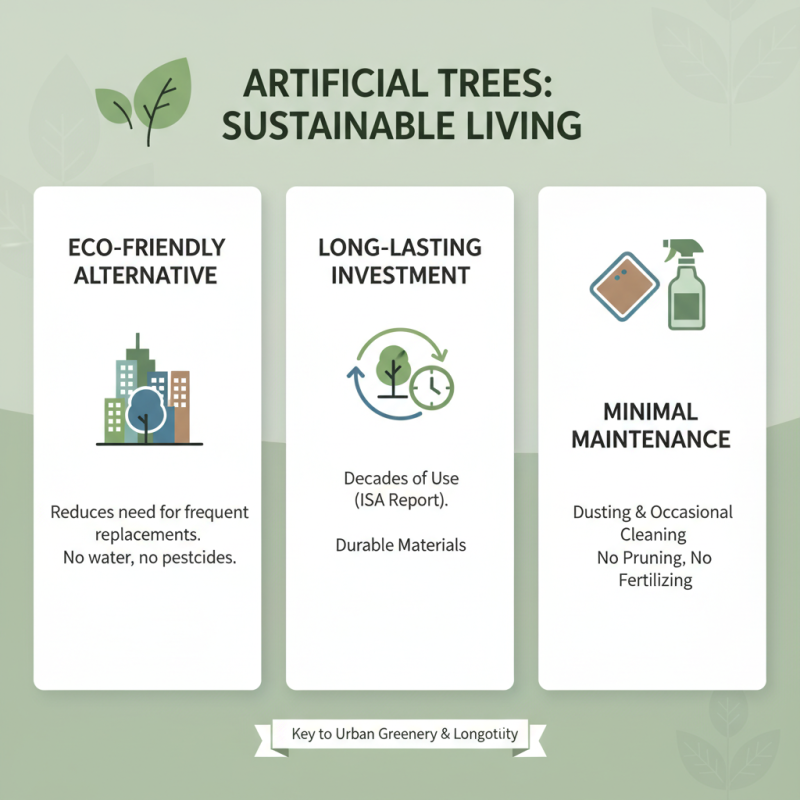
Artificial trees are becoming a popular choice for sustainable living. They offer an eco-friendly alternative to traditional plants, particularly in urban areas. Their maintenance and longevity are key factors to consider. According to a report by the International Society of Arboriculture, artificial trees can last for decades, significantly reducing the need for frequent replacements.
Proper care extends the lifespan of these trees. Regular cleaning prevents dust accumulation and maintains their aesthetic appeal. Studies indicate that a clean artificial tree can last up to 30 years or more. However, the environmental impact of production and disposal should not be overlooked. Artificial trees are often made from synthetic materials, which can contribute to pollution if not properly recycled.
Despite their durability, not all artificial trees are created equal. Choosing high-quality options can yield better long-term results. Some may fade or lose shape over time, indicating the need for mindful purchasing. Ongoing research stresses the importance of lifecycle assessments to gauge the sustainability of these products. Engaging in informed choices can help balance the need for beauty and ecological responsibility in sustainable living.
Future Trends in Artificial Tree Technology for Sustainability
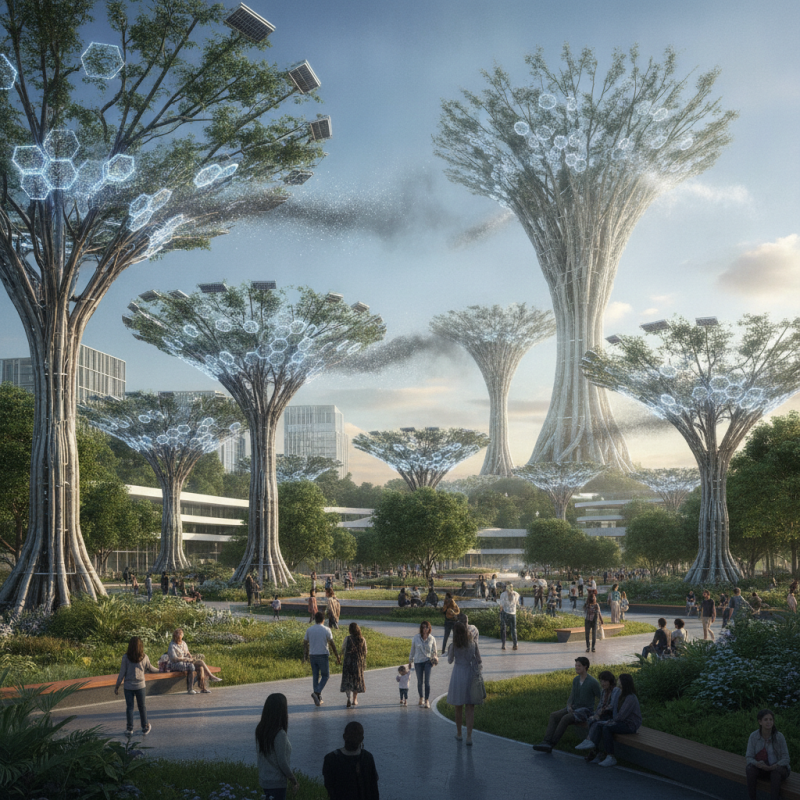
As urban environments expand, the demand for sustainable living solutions increases. Artificial trees may play a significant role in addressing these needs. These innovative systems mimic natural trees in function. According to a report from the International Institute for Applied Systems Analysis, urban areas without adequate green spaces are at risk of higher heat levels. Artificial trees can help mitigate this issue.
Recent advancements in artificial tree technology aim to improve efficiency and lifespan. These systems can absorb CO2 and even produce clean energy. Eco-friendliness remains a key focus, as emerging technologies explore biodegradable materials. A study from the Journal of Cleaner Production indicates that incorporating these technologies could reduce urban carbon footprints by up to 30%. However, the initial costs and maintenance challenges pose serious concerns.
The integration of artificial trees into city landscapes offers both promise and complexity. While the ecological benefits are clear, cost-effectiveness must be examined. There is still much to learn about their long-term impacts. Balancing innovation and practicality will shape the future of urban sustainability.
2026 Best Artificial Trees for Sustainable Living Solutions
| Model |
Material |
Size (Height) |
Energy Efficiency Rating |
Life Span (Years) |
Features |
| EcoTree 2000 |
Recycled Plastic |
6 ft |
A+ |
15 |
Solar-Powered Lights |
| GreenSpark Tree |
Biodegradable Fabric |
5 ft |
A |
10 |
Smart Watering System |
| NaturePlus |
Sustainable Wood Composite |
7 ft |
A++ |
20 |
Integrated Air Purifier |
| AirGreen Tree |
Recycled Aluminum |
8 ft |
A+++ |
25 |
Pollution Absorber |
| SmartTree |
Plant-Based Materials |
6.5 ft |
B+ |
12 |
AI-Driven Care Monitoring |