How to Choose the Best Artificial Outdoor Tree for Your Space?
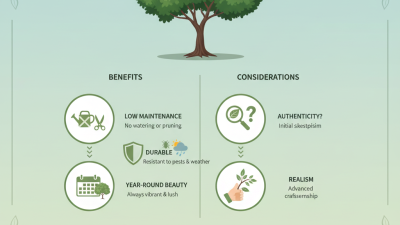
When enhancing your outdoor space, choosing the right artificial outdoor tree can make a significant difference. These trees provide all the beauty of the outdoors without the maintenance hassles. They come in various shapes, sizes, and colors, catering to different tastes and settings.
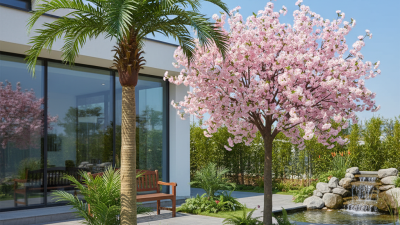
Consider your environment carefully. An artificial outdoor tree should complement your existing decor and the landscape. Think about the light and space available. Some trees might look perfect but could overwhelm a small setting. Testing the tree in your space before commit can prevent regrets later.
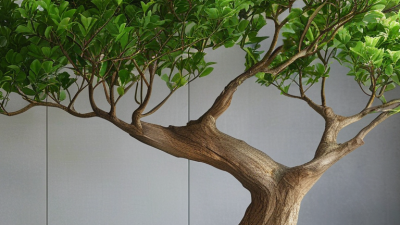
Quality matters. Look for high-quality materials that withstand weather changes. However, even the best artificial trees can have imperfections. A slight flaw can add character and make it unique. Finding the right balance between aesthetics and practicality is vital. Choosing an artificial outdoor tree requires thoughtfulness, but the results can truly enhance your space.
Choosing the Right Material: Realistic vs. Synthetic Outdoor Trees
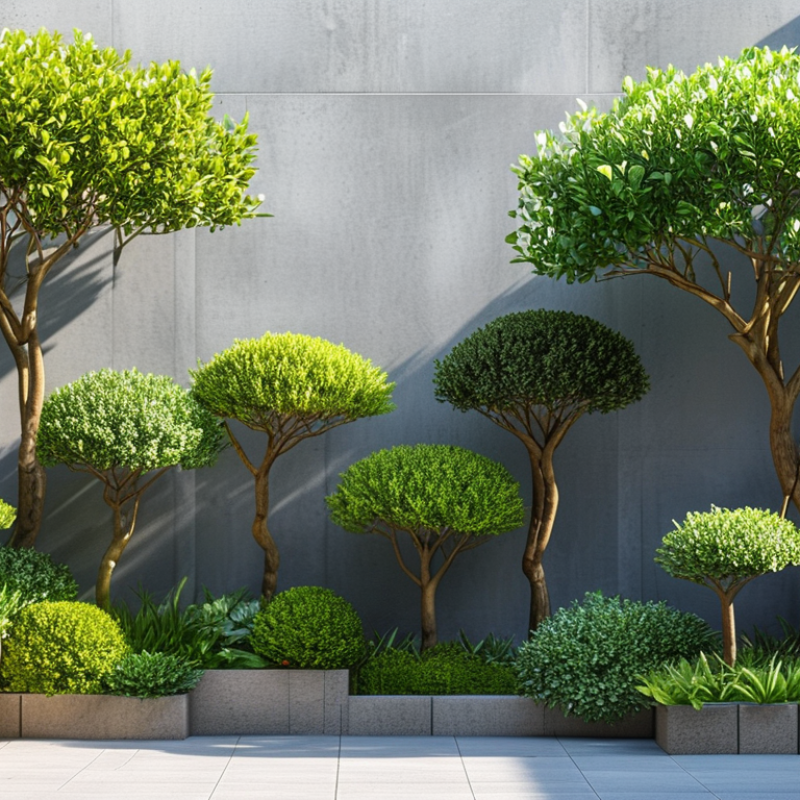
Choosing the right material for an artificial outdoor tree can significantly impact your space. Realistic trees mimic nature closely, offering vibrant colors and textures. Synthetic trees, while less lifelike, provide durability and require minimal maintenance. Understanding these differences is crucial for making an informed choice.
Realistic trees often use high-quality plastic and silk materials. They look authentic but can fade over time, especially under harsh sunlight. On the other hand, synthetic trees made from UV-resistant materials withstand the elements better. These trees might lack the intricate details of real ones but are often more cost-effective in the long run. It's essential to weigh aesthetics against durability based on your specific needs.
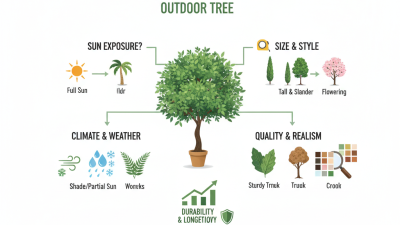
Consider your environment when selecting a tree. If your space receives strong sunlight, opt for high-quality synthetic trees. If you desire a lush, lifelike appearance and are willing to replace it every few years, choose realistic options. Balancing appearance, cost, and lifespan will guide you toward the best choice for your outdoor area. Always think about how the tree fits into your overall landscape design and functionality while reflecting on any personal preferences that might influence your decision.
Evaluating Size and Scale for Your Outdoor Space Requirements
Choosing the right size and scale for your artificial outdoor tree is crucial. The dimensions should complement your space rather than overwhelm it. Consider the height and width of the tree in relation to surrounding structures. A tall tree may dominate a small garden, while a miniature tree might get lost in a vast lawn. Balance is essential for a harmonious look.
When assessing space, visualize the tree’s placement. Mark the area with string or spray paint to see how it fits. Evaluate how the tree would look against your home or fence. If your outdoor area has varying heights, a layered approach can work well. Different trees can create depth, enhancing your landscape’s aesthetics.
Reflect on the atmosphere you want to create. A large oak may evoke strength, while a slender birch offers elegance. Think about seasonal changes too. Trees that maintain their appeal year-round can be a smart choice. Remember to keep specific measurements handy. This will aid in making informed decisions and finding the perfect fit for your outdoor oasis.
Assessing UV Resistance and Weather Durability in Artificial Trees
When selecting an artificial outdoor tree, UV resistance and weather durability are crucial factors. These qualities determine how well the tree can withstand harsh outdoor conditions. According to a report by the Synthetic Materials Industry Association, a well-made artificial tree should have UV protection rated at least 500 hours. This rating indicates the tree’s ability to resist fading from sun exposure. Low-quality products may degrade within just a few weeks, compromising your investment.
Weather durability is equally important. During testing, it was found that artificial trees with high-density polyethylene (HDPE) leaves exhibited remarkable resilience against wind and rain. Such trees can endure gusts of over 40 mph without losing their structure. In contrast, many lesser-quality trees succumb to damage under similar conditions. Regular maintenance, like cleaning the leaves, can also extend an artificial tree's life. Poorly crafted trees often collect dirt, which accelerates deterioration.
Finding a balance between aesthetics and durability can be challenging. Trees that look realistic often use weaker materials. It’s essential to weigh your options carefully. Reviews from landscaping experts often highlight the importance of investing in higher-grade materials. Therefore, understanding the differences in material composition can guide better purchasing decisions, preventing potential buyer's remorse and ensuring lasting enjoyment of your outdoor space.
Understanding Maintenance Needs of Different Artificial Tree Types
When selecting an artificial outdoor tree, understanding maintenance needs is crucial. Different types of materials require varying levels of care. For instance, trees made from high-quality polyethylene are resilient and UV-resistant. They can withstand weather conditions better than others. A quick wipe with a damp cloth can often suffice for cleaning.
On the other hand, more intricate designs may require meticulous attention. Fabric leaves can accumulate dust and dirt. They might need soaking or special cleaning solutions. It’s essential to consider how much effort you’re willing to invest in upkeep. Some synthetic trees, though visually appealing, may not hold up well under sunlight. Their colors could fade quickly.
In addition, check the connection between branches and trunk. Some artificial trees may develop loose parts over time. This can affect both their appearance and stability. Think about your local climate. Harsh conditions might impact the longevity of cheaper models. Your choice should reflect both aesthetic goals and practical needs.
Exploring Aesthetic Options: Color, Leaf Shape, and Style Variations
Choosing the right artificial outdoor tree involves understanding aesthetic elements like color, leaf shape, and style. A vibrant green color can bring life to a dull area, while deeper hues like dark blue or purple can evoke a sense of tranquility. Consider how these colors interact with your existing landscape and whether they create the desired mood.
Leaf shape is another crucial factor. Large, glossy leaves can provide a tropical vibe, perfect for a summer retreat. On the other hand, slender leaves may offer a more modern, minimalist aesthetic. Each shape tells a different story. You might need to experiment with various styles to see what resonates with you.
Style variations also play a pivotal role. From traditional to contemporary, the choice can drastically alter your space's character. Some artificial trees mimic traditional types, while others offer avant-garde designs. Be open to the idea that what you initially like may change upon seeing it in your space. Trust your instincts, but also reflect on what fits best with your overall design vision.
How to Choose the Best Artificial Outdoor Tree for Your Space? - Exploring Aesthetic Options: Color, Leaf Shape, and Style Variations
| Tree Type |
Color Options |
Leaf Shape |
Style Variations |
Best Use Case |
| Fake Pine Tree |
Dark Green, Light Green |
Needle-like |
Tall, Slim, Full |
Patios, Decks |
| Faux Ficus Tree |
Glossy Green, Deep Green |
Broadleaf |
Compact, Lush |
Indoor, Outdoor Entryways |
| Artificial Palm Tree |
Bright Green, Yellow Green |
Fan-shaped |
Tall, Tropical |
Pool Areas, Outdoor Lounges |
| Silk Maple Tree |
Orange, Red, Yellow |
Lobed |
Multi-trunked, Wide |
Seasonal Decor, Front Yards |
| Artificial Olive Tree |
Silver Green, Green |
Narrow, Elliptical |
Single-trunked, Chic |
Mediterranean Themes, Courtyards |