What Are the Best Potted Artificial Plants in 2026?
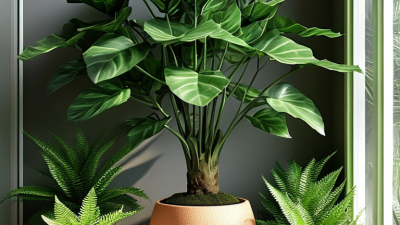
Choosing the best Potted Artificial Plants in 2026 is less about finding the fullest leaves and more about finding a convincing fit for your space. A fern beside a shaded bookshelf needs different proportions from a tall faux olive tree near a bright patio door. Pot size, plant height, leaf texture, and stability all affect how natural the arrangement looks. Small details matter.
This guide compares popular styles and explains what to check before buying. We look at foliage density, visible stems, pot finish, assembly, cleaning, and whether a plant is intended for indoor or outdoor use. Sunlight can fade some materials, so check the maker’s care guidance before placing a plant in a sunny spot. Product photos can hide scale; compare listed dimensions with the space you have.
A glossy leaf may look convincing online, then seem too shiny in daylight. That happens. We also consider whether a basic planter needs a decorative basket or fresh top dressing to feel complete. Those extras can improve the display, but they change the total cost. No artificial plant suits every room, and even a well-made one may need occasional dusting or reshaping. The recommendations ahead focus on practical differences, not just polished product images, to help you choose greenery that feels right at home.
What Potted Artificial Plants Are and How They Are Made
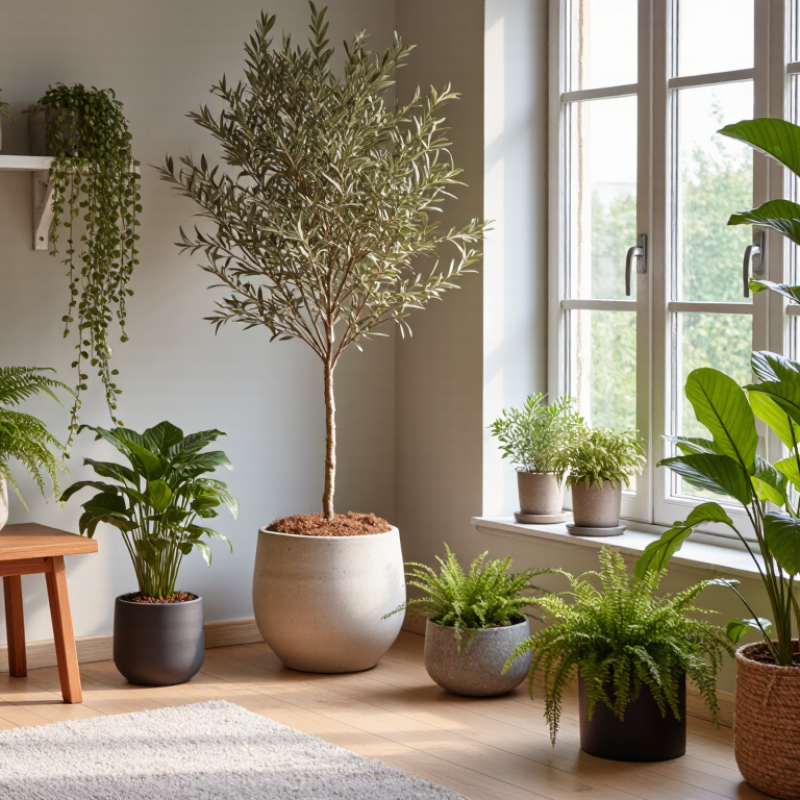
Potted artificial plants are manufactured replicas designed to resemble live plants in a ready-to-display container. They usually combine molded or fabric leaves, flexible stems, a central support, and a pot filled with foam, resin, or decorative stones. No watering needed. But materials and finish vary widely.
Production often begins with shaping leaves from plastic film or fabric, then adding veins, color gradients, and surface texture. Workers or machines attach leaves to stems, which are bent into a natural-looking shape and secured in a weighted base. A closer look can reveal uneven edges or repeated leaf patterns. That is part of the trade-off: convincing detail takes time, while mass production favors consistency.
The material choice matters. PlasticsEurope’s Plastics – the Fast Facts 2024 report estimates that global plastics production reached 413.8 million tonnes in 2023, with 90.4% made from fossil-based feedstocks. This figure does not measure artificial plants specifically, but it shows the wider material context behind many synthetic décor products. When comparing a potted plant, check whether the leaves, stems, and pot use different materials; mixed components can make reuse or recycling less straightforward. A small label may not tell the whole story.
What Are the Best Potted Artificial Plants in 2026? - What Potted Artificial Plants Are and How They Are Made
Potted artificial plants are decorative replicas of live plants, arranged in a pot and usually finished with faux soil, moss, or stones. The options below compare common plant styles and construction features to help match a plant to its setting.
| Plant style |
What it looks like |
Common construction |
Works well for |
What to check before buying |
| Monstera |
Large, split leaves with a bold tropical look |
Molded plastic or fabric leaves attached to flexible stems; a nursery pot may sit inside a decorative outer pot |
Living rooms, offices, and corners that need a strong leafy accent |
Check leaf shape and finish up close; spread and arrange the stems after unpacking |
| Ficus tree |
Upright woody form with many small or medium leaves |
Plastic or fabric foliage on wire-supported branches; trunk may be molded plastic or wood |
Adding vertical greenery beside furniture or in an entryway |
Look for a stable base and a balanced canopy; taller trees may need a heavier planter |
| Olive tree |
Slender branches, narrow leaves, and a light, airy silhouette |
Small synthetic leaves fixed to bendable branches; the trunk is commonly molded or assembled from textured materials |
Minimal, rustic, or Mediterranean-inspired interiors |
Inspect leaf density and branch distribution; sparse foliage can look more natural than an overly uniform canopy |
| Orchid |
Arching stems with delicate flowers and broad basal leaves |
Flowers are often made from molded plastic or polyester fabric; stems may contain wire for shaping |
Tables, shelves, and bathrooms where a compact floral accent is wanted |
Check that the flower color and stem shape look convincing at the intended viewing distance |
| Snake plant |
Stiff, upright, sword-shaped leaves, often with banded markings |
Leaves are typically molded plastic or fabric over a shaped internal support, set into a weighted base |
Narrow spaces, desks, and modern interiors |
Check leaf thickness, color variation, and whether the pot is included |
| Palm |
Long, feathered or fan-shaped fronds that create a tropical profile |
Fronds are commonly molded plastic or fabric attached to a central trunk; stems may be wired to hold their shape |
Larger rooms and spaces where a broad silhouette can be displayed |
Measure the frond spread as well as the height; confirm the base is stable |
How they are made: Leaves and flowers are shaped from materials such as molded plastic or polyester fabric, then attached to stems or branches. Wire supports may allow adjustment. The arrangement is secured in a pot, often with a plastic inner container and a decorative top layer of faux soil, moss, or stones. Material and finish vary by product; artificial plants do not need watering, but occasional dusting helps keep them looking presentable.
Key Features That Define the Best Artificial Plants in 2026
The best potted artificial plants in 2026 look convincing at a glance and hold up to closer inspection. Leaves should vary slightly in size, angle, and color; identical shapes can make a plant feel stiff. Check the stems, too. Flexible branches let you adjust the silhouette after unpacking, while firmly attached leaves are less likely to shed during routine dusting. Small details matter.
Material choice affects both appearance and placement. Soft, matte leaves often look more natural indoors than shiny plastic. For a sunny window, look for clear guidance on color fading; “UV resistant” does not mean fade-proof. A stable pot matters in busy rooms, especially near doorways or pets. Some decorative pots are light, so a heavier inner container or added filler can help prevent tipping. Feel the base.
Good artificial plants should also be easy to maintain. A microfiber cloth or gentle brush can remove dust from broad leaves, while narrow foliage may need more patient cleaning. Compare the plant’s listed dimensions with the space available, including its full leaf spread. Product photos can hide scale. I’d leave room for a little imperfection: realistic plants are rarely perfectly symmetrical, and some models need shaping before they look right.
Popular Potted Plant Types for Different Rooms and Styles
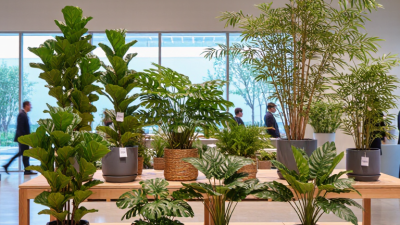
For a bright living room, a potted olive tree or fiddle-leaf fig adds height beside a sofa without needing a sunny window. Compact snake plants suit narrow entryways, where their upright leaves leave walking space clear.
Human Spaces’ 2015 report surveyed 7,600 office workers across 16 countries; respondents in spaces with natural elements reported 15% greater wellbeing. That finding concerns natural features, not artificial plants, so use it as design context, not a promise of equal benefits.
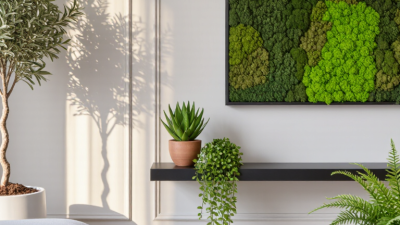
Bedrooms often look calmer with a small faux fern or olive tree in a matte ceramic pot. Choose muted foliage and keep it clear of bedside surfaces. For kitchens, trailing greenery on an open shelf softens tile and metal; avoid placing it beside the stove, where grease can settle on leaves. Bathrooms can take leafy stems, but check the pot’s finish against damp floors. Details matter.
Match the pot to the room: woven textures warm relaxed interiors, while dark stone-look finishes suit cleaner, modern lines.
A 2023 Houzz U.S. Emerging Trends report noted continued interest in natural materials and earthy palettes in home design. That supports pairing realistic foliage with tactile finishes, though trends vary by region.
Dust will show. Inspect leaf edges and stems in daylight before buying; overly glossy plastic can look convincing online and awkward in person.
How to Choose the Right Plant by Size, Material, and Budget
What Are the Best Potted Artificial Plants in 2026?
How to Choose the Right Plant by Size, Material, and Budget
Start with the space, not the plant. Measure the pot’s footprint and the full height available beneath shelves or ceilings. A floor plant should look balanced beside furniture, not block a walkway. For a console, choose foliage that leaves room for lamps and everyday items. Check the footprint. Dense leaves can make a small room feel crowded, even when the pot fits.
Material affects appearance, durability, and price. Polyethylene foliage often has a softer, more natural finish; PVC options can cost less but may look shinier up close. For a sunny porch, look for UV-resistant materials and a weather-suitable pot. Grand View Research estimated the global artificial plants market at about $1.26 billion in 2023 and projected continued growth through 2030. That market trend signals wider choice, not guaranteed quality. Compare leaf detail, stem flexibility, pot stability, and return terms before paying more.
Tips: Set a budget for the complete display, including a heavier outer pot or decorative stones. Lower-cost plants can work well in corners viewed from a distance. Spend more where people see the foliage closely. There is no perfect scale; take a room photo and reassess before ordering. Some leaves may still look too uniform.
Best Potted Artificial Plants in 2026: Size, Material & Budget
Compare indicative U.S. retail price ranges by plant height and durability needs.
Smaller plants are usually the most budget-friendly; taller plants use more foliage and larger pots, so they tend to cost more. PE foliage often has a more lifelike look, while UV-resistant finishes can be useful outdoors and may raise the price. These broad price ranges are planning estimates, not a live price survey; actual prices vary by construction, pot, and seller.
Placement, Cleaning, and Long-Term Care for Artificial Plants
For the best potted artificial plants in 2026, choose a spot that suits the plant’s shape and keeps routine care simple. A tall, narrow arrangement can soften an empty corner, while compact foliage fits a desk or shelf. Keep leaves clear of cooking grease, heater outlets, and damp bathroom corners. Strong direct sun may fade some materials over time, so a bright spot away from the window is often safer. I would not chase perfect symmetry; a slightly uneven canopy can look more convincing.
Dust shows quickly. Use a soft microfiber cloth, working from upper leaves downward, and wipe the pot with a damp cloth. For sticky residue, use mild soapy water only if the care label permits it; avoid soaking wired stems or weighted bases. The U.S. EPA’s indoor-air guide reports that levels of some pollutants indoors may be two to five times higher than outdoors. That is not evidence that artificial plants cause pollution, but it is a useful reminder to keep dusty surfaces clean. Every few months, rotate the pot, check for loose stems, and inspect sun-exposed leaves for fading. A missed leaf is easy to overlook—until the afternoon light catches it.