Leave Your Message

What Is Artificial Plant Decor and Why Is It Popular?

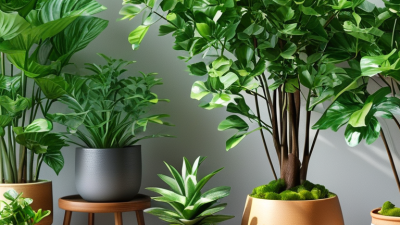
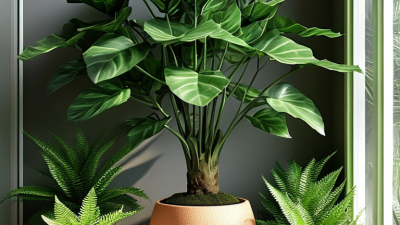
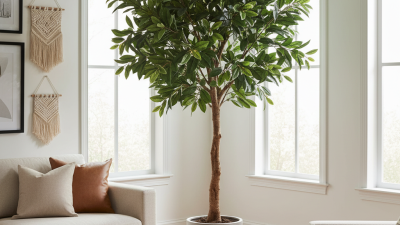
Artificial Plant Decor has become a practical way to bring greenery into homes, offices, hotels, and retail spaces. It includes lifelike faux trees, preserved-style stems, moss panels, and compact tabletop plants. Unlike living plants, these pieces need no sunlight, watering schedule, or seasonal recovery. That difference matters in windowless bathrooms, busy reception areas, and apartments with unpredictable light. A well-made artificial olive tree can soften a bare corner, while a small fern can add texture beside a computer screen. The best designs do more than imitate nature. They consider scale, color, container quality, and the room’s daily use. Interior professionals often test materials under different lighting. Plastic leaves may look convincing in a showroom but appear flat under cool LEDs. This practical check is easy to miss.

Popularity also comes from predictable maintenance. Dusting leaves monthly, securing tall planters, and avoiding direct heat can preserve their appearance. Quality varies widely, however. Cheap stems may show visible seams, repeated leaves, or a strong odor when opened. Buyers should inspect close-up photographs and read material details carefully. Choosing stable, non-toxic products from reputable suppliers also improves reliability. Artificial greenery cannot provide oxygen, fragrance, or the changing signs of a living ecosystem. That limitation deserves honesty. Yet it can offer visual comfort where real plants struggle to survive. Responsible choices matter, too. Durable materials, repairable components, and thoughtful disposal may reduce unnecessary replacement. The appeal is not perfect realism. It is dependable atmosphere with fewer daily demands. For many spaces, that balance explains its continued popularity.
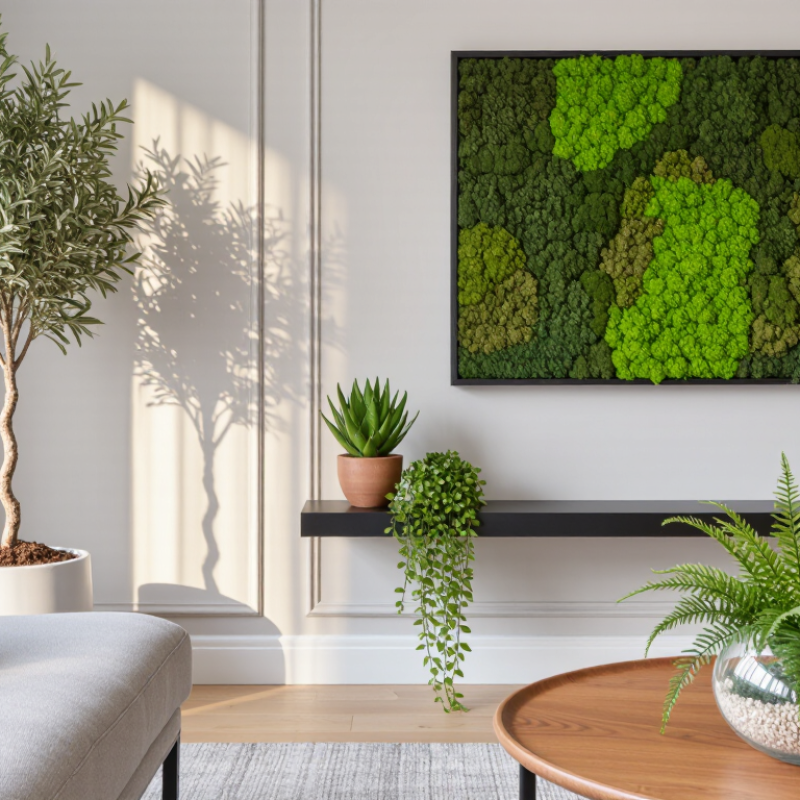
What Is Artificial Plant Decor and Why Is It Popular?

Definition and Main Features of Artificial Plant Decor

What Is Artificial Plant Decor and Why Is It Popular?

Artificial plant decor refers to manufactured foliage designed to imitate living plants indoors or outdoors. Common materials include polyester, plastic, silk-like fibers, wire, and molded stems. Its main features are visual realism, stable color, low maintenance, and flexible placement. Unlike living plants, it needs no sunlight, watering, pruning, or soil.

Small details create credibility. Vein patterns, uneven leaf angles, textured stems, and weighted pots can make a display look more natural. In my experience, realistic variation matters more than dense foliage. Perfectly identical leaves often look artificial. That is a weakness worth admitting.

The market is growing.

Grand View Research estimated the global artificial plants market at about USD 1.59 billion in 2023, with projected growth through 2030. This trend reflects demand for decorative greenery in homes, offices, hospitality spaces, and retail interiors. Artificial plants also suit rooms with weak daylight, where living plants may decline quickly.

However, quality varies greatly. Some products fade near windows, collect dust, or contain strong chemical odors. Buyers should check UV resistance, material information, fire-safety documentation, and cleaning instructions. Regular dusting with a soft cloth keeps textured leaves clearer. No watering is required.

Still, artificial greenery cannot replace the ecological value of living plants. It mainly provides visual comfort and design flexibility. That distinction supports more honest decorating decisions.
Types of Artificial Plants and Their Common Materials

What Is Artificial Plant Decor and Why Is It Popular?

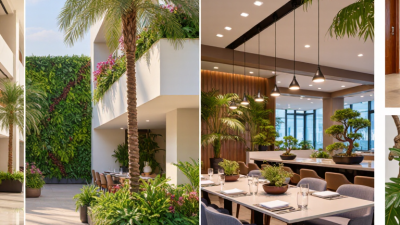
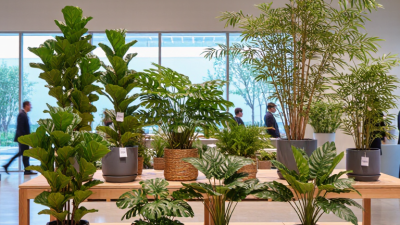
Artificial plant decor includes realistic-looking flowers, trees, grasses, succulents, and hanging vines. People use them in homes, offices, restaurants, and covered balconies. They add color without watering, sunlight, or seasonal replacement. However, quality varies greatly. Some leaves look convincing from across a room but appear flat up close.

Common materials determine both appearance and durability. Polyethylene, often called PE, creates molded leaves with clear veins and natural thickness. PVC is flexible and affordable, but it can look shinier under strong light. Polyester fabric is widely used for flowers and soft leaves. “Silk plants” are often polyester, not real silk. Wire stems allow careful shaping, while foam can form lightweight petals. Pots may use ceramic, cement, plastic, or woven fibers. Each material has practical advantages.

Tips: Check the leaf edges, stem joints, and color changes before buying. Natural plants rarely have identical leaves. A little unevenness helps. For sunny rooms, choose UV-resistant materials, although fading can still happen over time. Wipe dusty leaves with a soft, slightly damp cloth. Avoid harsh cleaners because they may remove the surface finish. In my experience, mixing one tall plant with smaller textured varieties feels more natural than filling a room with identical pieces. Even then, artificial decor can look too perfect, and that is worth reconsidering.

What Is Artificial Plant Decor and Why Is It Popular?

Common Materials Used in Artificial Plants

Artificial plants are popular because they provide a decorative, low-maintenance alternative to live plants. Polyethylene and PVC are commonly used for molded leaves and stems, polyester is often used for fabric flowers, and steel wire provides internal support. The chart compares representative material densities in grams per cubic centimeter; a higher density generally indicates a heavier material for the same volume.

Values shown are representative standard densities: polyethylene 0.95, PVC 1.40, polyester 1.38, and steel 7.85 g/cm³.

How Artificial Plant Decor Is Made and Designed

Artificial plant decor is manufactured to imitate living foliage while removing watering and sunlight requirements. Designers begin with botanical references, studying leaf veins, stem angles, and natural color changes. Polyethylene or polyester often forms the leaves, while flexible wire supports the stems. A 2024 Grand View Research report estimates that the global artificial flowers market could grow at about 5% annually through 2030. That growth reflects demand for durable, low-maintenance interiors.

Production usually combines molding, printing, cutting, and hand assembly. A molded leaf may receive several green tones, not one flat color. Fine powder can create a soft, matte surface, while heavier veins add believable shadows.

Stems are commonly wrapped with paper, fabric, or plastic tape before workers attach individual leaves. Some manufacturers use recycled polymers, but recycled content varies widely and should be verified through supplier documentation. The design is rarely perfect. Slightly uneven spacing can look more natural than identical repetition.

Scale also matters. Interior designers often select taller arrangements for empty corners and compact plants for shelves or desks. The American Society of Interior Designers has repeatedly identified wellness and nature-inspired interiors as important design influences, supporting the continued use of biophilic details.

Still, artificial greenery cannot reproduce fragrance, growth, or genuine ecological benefits. It is a visual substitute, not a living system. Material testing, stable bases, accurate color matching, and realistic leaf movement determine whether the finished piece feels convincing or merely decorative.

Reasons for Its Popularity in Modern Interior Spaces

Artificial plant decor refers to realistic-looking leaves, stems, flowers, and trees made from materials such as fabric, plastic, or preserved fibers. It brings visual greenery indoors without requiring living soil or sunlight. In modern interior spaces, a tall artificial palm can soften an empty corner, while a small potted plant can add color to a kitchen shelf. The best pieces imitate natural variation rather than looking perfectly identical.

Convenience is a major reason for their popularity. No watering is required. That convenience matters. Residents can place greenery in windowless hallways, offices, bathrooms, or busy family rooms. Artificial plants also suit people who travel often or struggle with plant care. They do not shed pollen like many flowering houseplants, although dust can still collect on their leaves. Regular cleaning with a soft cloth keeps them more convincing.

Design flexibility adds further appeal. A neutral ceramic pot can support a calm bedroom palette, while deep green foliage can balance pale walls and wooden furniture. In my experience, scale matters more than quantity; one carefully placed tree often looks better than several crowded pots. Still, artificial greenery is not a perfect substitute for living plants. Low-quality materials may appear flat, and frequent replacement creates unnecessary waste. Choosing durable pieces and reusing containers makes the decision more responsible.

What Is Artificial Plant Decor and Why Is It Popular? - Reasons for Its Popularity in Modern Interior Spaces
Dimension Artificial Plant Decor Living Plant Decor Why It Matters in Modern Interiors
Definition Decorative plant forms made from synthetic materials such as polyester, plastic, wire, foam, or fabric. Plants that remain biologically alive and require suitable light, water, air circulation, and growing media. Artificial plants provide a consistent botanical appearance without the biological care requirements of living plants.
Water Requirement 0 liters for routine maintenance. Varies by species, container size, season, temperature, and indoor humidity. Useful in offices, retail areas, hallways, and rooms where regular watering is difficult or undesirable.
Light Requirement No sunlight or grow light is required to maintain appearance. Light requirements vary considerably by plant species; insufficient light can weaken or damage a plant. Allows greenery-inspired styling in windowless rooms, shaded corners, and spaces with inconsistent daylight.
Routine Maintenance Usually limited to dust removal and occasional reshaping or repositioning. May include watering, pruning, fertilizing, repotting, pest monitoring, and removal of damaged foliage. Reduces recurring care tasks and helps interiors maintain a neat appearance with limited staff time.
Appearance Consistency Remains visually stable throughout the year and is not affected by seasonal leaf loss or growth cycles. Changes naturally with growth, flowering, dormancy, aging, and environmental conditions. Supports predictable visual planning for hospitality, workplace, residential, and commercial interiors.
Placement Flexibility Can be placed in low-light areas, air-conditioned rooms, narrow corners, and locations with limited access to water. Placement must match the plant’s requirements for light, temperature, humidity, drainage, and airflow. Enables decorative greenery in locations where living plants may not remain healthy.
Operational Energy Use 0 watts during normal display and maintenance. Usually 0 watts, although supplemental grow lights may be needed in some indoor environments. Artificial plants can provide a plant-inspired visual effect without electricity for lighting or climate control.
Longevity of Appearance Can remain usable for several years when protected from excessive ultraviolet exposure, moisture, heat, and rough handling. Longevity depends on species, care quality, growing conditions, and disease or pest pressure. Long-term visual stability can support interiors that are redesigned infrequently.
Cleaning Considerations Dust can collect on leaves and may require wiping, gentle brushing, or low-pressure cleaning. Leaves may also collect dust and require cleaning, while overwatering can create soil moisture and drainage concerns. Regular cleaning is important because visible dust can reduce realism and overall visual quality.
Safety and Materials Material quality varies; fire rating, odor, sharp wire ends, small detachable parts, and stability should be checked. Natural soil, standing water, fallen leaves, pollen, and plant debris may require additional management. Material and installation checks help make decorative greenery suitable for public and frequently used spaces.
Environmental Considerations Often made from mixed synthetic materials that may be difficult to recycle; durability and long use can reduce replacement frequency. Can support living biodiversity, but cultivation, transport, water use, containers, soil, and replacement also have environmental impacts. Popularity is strongest when buyers balance low maintenance with product durability, responsible disposal, and long-term use.
Main Popularity Drivers Low maintenance, consistent appearance, flexible placement, no watering, and suitability for low-light interiors. Natural growth, living texture, biological benefits, and the satisfaction of caring for a living organism. Artificial plant decor fits modern spaces that prioritize convenience, visual consistency, and efficient use of interior space.
Note: Performance and durability vary according to material quality, construction, placement, cleaning practices, ultraviolet exposure, and indoor conditions.

Uses, Benefits, and Care Requirements of Artificial Plants

Artificial plant decor uses lifelike leaves, stems, and flowers to bring visual warmth indoors. It is popular because it adds color without sunlight, watering, or seasonal changes. Homes, offices, restaurants, and rental spaces often use artificial plants to soften empty corners. A tall plant can frame a sofa, while a small arrangement can brighten a desk. The effect is practical, though not always perfectly natural.

The main benefit is reliable appearance. Artificial plants suit busy households, dark rooms, and people with allergies to pollen. They also avoid soil spills and overwatering problems. However, they are not completely maintenance-free. Dust can collect along leaf edges, especially near windows or cooking areas. In my experience, even a high-quality plant looks artificial when its pot is too small or its leaves are badly arranged. Choosing realistic textures and placing the plant near suitable furniture improves the result. Consider the material, size, and viewing distance before buying.

Tips: Wipe leaves gently with a dry microfiber cloth every few weeks. Use a damp cloth for stubborn dust, but avoid soaking fabric flowers. Keep artificial plants away from strong heat, open flames, and prolonged direct sunlight, which may cause fading. Rotate arrangements occasionally. This helps prevent a flat, neglected appearance. Check the stems and base after moving them. Small adjustments often matter more than expensive accessories.