Finding a reliable Artificial Plant Tree supplier in China requires more than comparing online prices. Buyers must examine materials, craftsmanship, factory experience, and export reliability. Yiwu offers broad product variety, while Guangzhou and Shenzhen often provide stronger design and manufacturing support. Each market has advantages. None is perfect.
Artificial greenery sourcing consultant David Chen says, “A realistic tree begins with accurate materials, balanced proportions, and honest supplier communication.” His view reflects what experienced buyers notice in person. Dense PE leaves should show natural variation, not repeated patterns. Trunks need stable internal support. Pots should remain level on a showroom floor. Small details matter.
A serious sourcing process usually includes factory videos, physical samples, and clear product specifications. Ask about leaf material, UV resistance, fire performance, pot weight, carton size, and minimum order quantities. Request close-up photos under natural light. Check whether the displayed tree matches the shipped sample. This sounds obvious. It is often missed.
Buyers should also visit supplier showrooms when possible. Touching the foliage reveals stiffness, loose connections, and artificial shine. A pre-shipment inspection can identify tilted trunks or damaged leaves before loading. Packaging deserves attention too. Poor compression may permanently deform branches during transport.
Price remains important, but the cheapest Artificial Plant Tree may create replacement costs later. I have seen attractive samples fail because their pots were too light for commercial spaces. That lesson is uncomfortable, yet useful. Reliable suppliers welcome detailed questions and provide consistent answers. They do not hide behind polished catalog images. The best choice combines appearance, durability, documentation, and practical after-sales support.
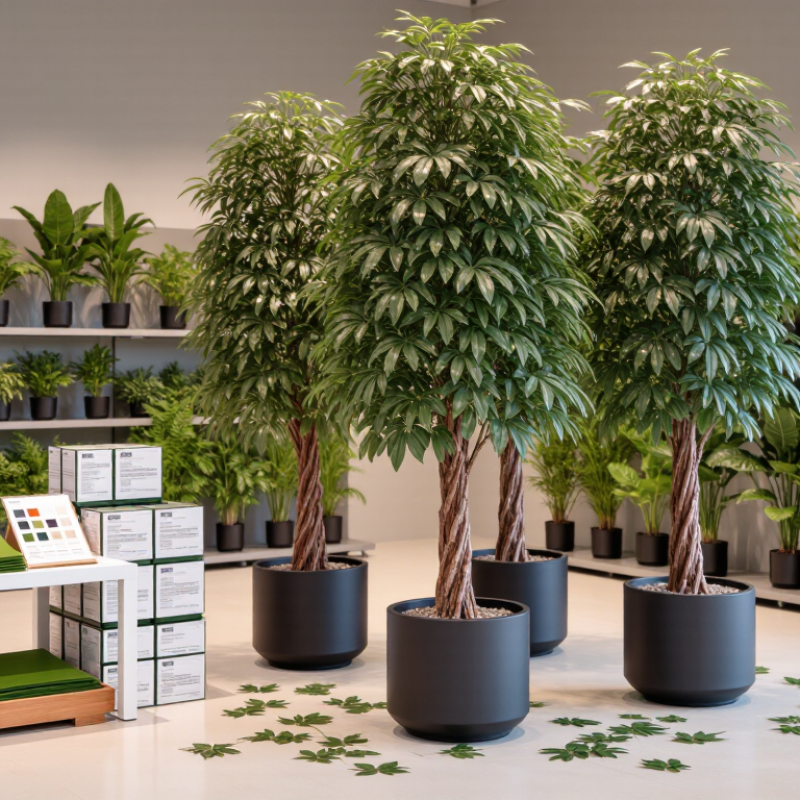
China is a leading source of artificial plant trees because its manufacturing network is unusually complete.
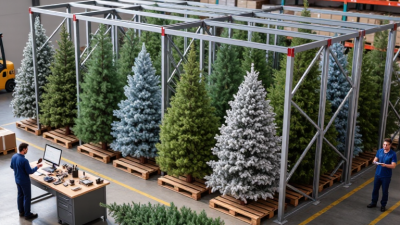
Plastic leaves, fabric foliage, molded trunks, metal supports, and ceramic pots can come from nearby suppliers. This reduces delays and makes design changes easier. Many factories also handle cutting, assembly, packaging, and export preparation under one roof.
Buyers can find suppliers through established trade platforms, industry exhibitions, and verified wholesale directories. Request physical samples before placing a large order. A realistic sample reveals leaf texture, trunk stability, pot weight, and color accuracy. Ask for material specifications, UV resistance data, fire-safety documents, and inspection records. Requirements differ by destination.
Factory visits can provide stronger evidence than polished photographs. Check storage conditions, production lines, carton strength, and random quality checks. Some suppliers accept custom heights, foliage density, planter finishes, and root designs. That flexibility suits hotels, offices, restaurants, and retail displays. It also creates risk. Custom work may increase lead times or produce inconsistent batches.
A small mistake matters.
I would compare at least three samples under natural and indoor lighting. Dark green leaves can look artificial near windows. A stable supplier explains limitations instead of promising perfection. Confirm payment terms, replacement policies, packaging tests, and shipping responsibilities in writing. China offers broad choice and competitive production, but careful verification remains essential.
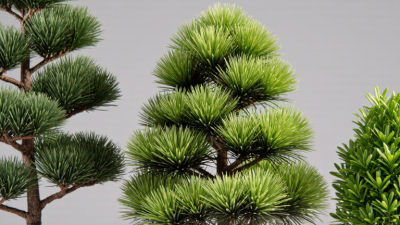
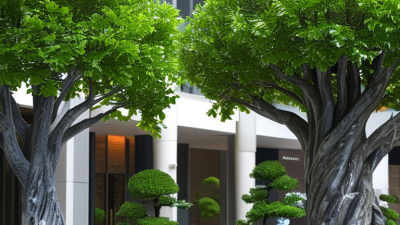
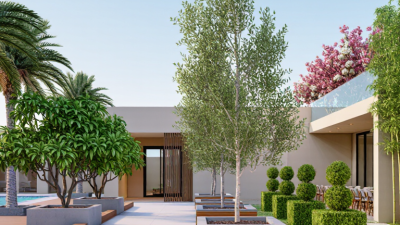
China offers a wide range of artificial plant trees for homes, hotels, offices, and retail spaces. Common choices include artificial ficus trees, palms, bamboo, olive trees, and eucalyptus. Each creates a different visual effect. Ficus trees provide dense green volume, while palms suit bright, relaxed interiors. Bamboo works well in narrow corners and Asian-inspired spaces.
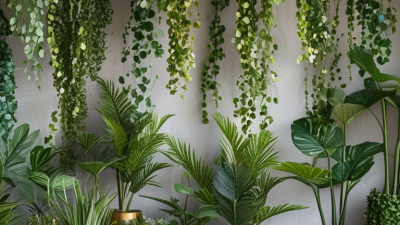
Artificial monstera trees are popular for modern rooms. Their large split leaves create a strong tropical feeling. Boxwood trees and artificial topiary trees look more structured, especially near entrances. Some suppliers also produce flowering trees with cherry blossoms, magnolia flowers, or small citrus fruits. These options add color, but their quality can vary noticeably.
During sourcing visits, I found that leaf texture matters more than photographs suggest. Matte leaves usually appear more natural under ceiling lights. PE leaves often feel softer and more realistic than basic PVC leaves. For balconies or outdoor areas, ask about UV resistance and weighted pots. Indoor trees may use natural wood trunks, resin trunks, or twisted synthetic stems. My early mistake was choosing height first. A tall tree can overwhelm a small room. Measure the ceiling, pot width, and walking space before ordering. Samples remain useful, because color and branch density are sometimes different from online images.
Reliable artificial plant tree suppliers in China are easier to find when buyers verify production evidence, not polished catalog photos. I have found that factory experience matters most when projects require matching trees across many rooms. Ask for workshop videos, recent project photos, and a physical sample before discussing large orders. Photos can hide rough trunks, thin foliage, or visible glue marks. Small details matter.
A dependable supplier should explain leaf materials, trunk construction, pot filling, fire performance, and UV resistance clearly. Request technical sheets, test reports, and samples from the actual production line. Do not rely on generic certificates. Check whether documents match the quoted material and destination market requirements. I once accepted a sample that looked excellent, but the production batch had weaker branches. The process is imperfect. That mistake taught me to approve a signed sample with color, dimensions, and foliage density recorded.
Buyers should compare communication speed, sampling discipline, packaging plans, and after-sales handling. A reliable team answers difficult questions without changing specifications halfway through negotiation. Confirm minimum order quantities, lead times, spare parts, carton measurements, and inspection access in writing. Independent pre-shipment inspection can reveal leaning trunks or crushed leaves before departure. The cheapest quotation may create expensive rework. Keep every approved detail in the purchase file.
Where to Buy the Best Artificial Plant Trees in China?
Comparing artificial plant trees requires more than checking photos and unit prices. Request a physical sample before placing a large order. Examine leaf color, stem flexibility, pot stability, and the density of the canopy. Good leaves should look varied, not stamped with identical shapes. Ask about fade resistance, material composition, and available quality inspection records. A sample can reveal problems that polished catalog images hide.
Price comparisons should include packaging, inland transport, export fees, and possible replacement costs. A cheaper tree may use thinner trunks or lighter pots. It may also arrive damaged. Compare the same size, leaf count, base material, and carton dimensions. Customization usually affects minimum order quantities and production time. Confirm logo placement, pot colors, leaf shapes, trunk height, and packaging requirements in writing. Small changes can increase tooling costs. Sometimes, customization is not worth it.
Tips: Build a simple comparison sheet. Record sample results, quoted terms, lead times, and inspection details. Request photos during production, but do not rely on photos alone. A third-party inspection adds cost, yet it can prevent expensive surprises. Be careful with impressive promises. Some suppliers answer quickly but explain specifications poorly. A slower, clearer reply may be more reliable. My own comparison method would still benefit from testing products in humid rooms, because indoor performance is easy to underestimate.
Comparing wholesale price, build quality, and customization potential by product tier
The benchmark compares typical China wholesale tiers for a 1.8-meter artificial plant tree. Prices are shown in USD per unit, while quality and customization are scored from 0 to 100 based on materials, leaf density, trunk finishing, packaging, color options, pot selection, and private-label flexibility. Actual quotations vary by order quantity, materials, shipping terms, and customization requirements.
Where to Buy the Best Artificial Plant Trees in China?
What Should Buyers Check Before Placing an Order?
Choosing a reliable artificial plant tree supplier in China requires more than attractive catalog photos. Ask for recent factory videos, material specifications, and export experience. Check whether the leaves resist fading under ultraviolet light. Indoor trees and outdoor trees need different materials. Confirm trunk strength, pot stability, and the exact finished height. A small sample can reveal loose leaves, visible seams, or a weak base. Photos often hide these details.
Tips: Request a physical sample before approving bulk production. Compare the sample with the quotation line by line. Verify leaf density, color consistency, pot dimensions, packaging, minimum order quantity, and production time. Ask for fire-resistance or material test documents when your market requires them. Also confirm carton measurements and shipping weight. These figures affect the final cost more than many buyers expect.
A dependable supplier should explain quality checks clearly and provide a written replacement policy for damaged goods. Look for consistent communication, not just fast replies. Payment terms should match documented production milestones. I have found that a low quotation can become expensive after weak packaging, missing parts, or unexpected freight charges. Do not rely on one inspection photo. Independent pre-shipment inspection is safer, although it adds time and cost. Mistakes still happen. The goal is to reduce surprises before the containers leave China.