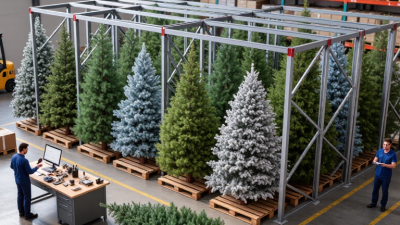
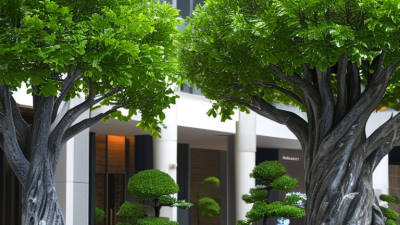
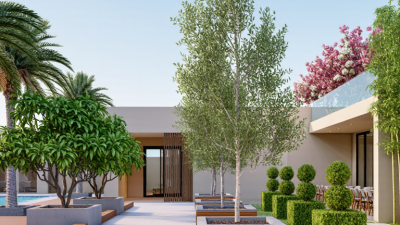
What Is the Best Type of Artificial Trees for Wholesale?
Choosing the best Artificial Trees for wholesale requires more than comparing unit prices. Buyers must assess durability, appearance, packaging, safety, and repeat-order potential. A tree that looks attractive in a showroom may lose branches after long-distance shipping. That detail matters.
Market evidence supports continued interest in realistic decorative greenery. Grand View Research identifies artificial flowers and plants as a growing global category, driven by low maintenance, indoor styling, and commercial decoration. Mordor Intelligence also reports steady expansion in the artificial plants market, supported by hospitality, retail, offices, and residential projects. These findings suggest strong opportunities for wholesalers, but market growth does not guarantee profitable purchasing.
Material selection remains central. PE foliage usually provides more natural textures than basic PVC, while metal frames improve stability for taller models. For seasonal demand, pre-lit Christmas trees can offer higher order values, although lights require careful quality inspection and compliant electrical documentation. For hotels and commercial interiors, UV-resistant foliage may justify a higher wholesale price. Not every premium feature creates real value.
Industry experience shows that buyers should request samples, carton dimensions, branch recovery tests, and color photos under natural lighting. The American Christmas Tree Association has also highlighted consumer interest in convenient, reusable artificial trees, reinforcing the importance of storage and multi-season performance. Still, supplier claims need verification.
The best choice depends on the sales channel, climate, budget, and customer expectations. A compact PE tree may outperform a cheaper, larger model. Wholesale success often comes from consistency, not visual novelty. That point deserves more attention.
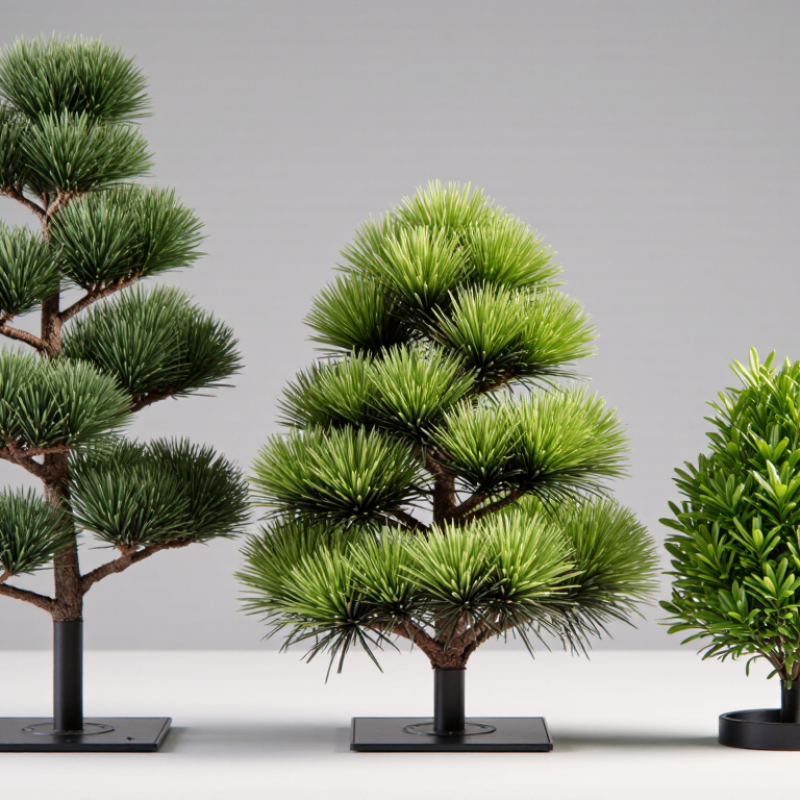
Define Wholesale Artificial Tree Categories by Height, Material, and Use
What Is the Best Type of Artificial Trees for Wholesale?
Wholesale artificial trees are easier to compare when height, material, and purpose are defined together. Tabletop trees under three feet suit desks, reception counters, and small gift displays. Medium trees from three to seven feet fit cafés, offices, and apartment showrooms. Trees above eight feet create stronger visual impact in hotels, shopping centers, and event venues. Measure ceiling height carefully. A wide canopy can make a seven-foot tree feel much larger.
Material affects appearance, durability, and buying cost. PE foliage usually offers molded leaf details and a more natural texture. PVC foliage can reduce cost and provide dense coverage. Many commercial trees combine both materials. Check trunk construction, branch flexibility, pot weight, and leaf attachment. For outdoor placement, ask for UV-resistant treatment and suitable care instructions. Indoor trees may need only dust resistance. Safety documentation should match the destination market and intended installation.
Use also shapes the best wholesale choice. Narrow trees work beside checkout counters and corridors. Fuller trees suit lobbies, restaurants, and seasonal displays. For repeated transport, removable branches and reinforced bases are practical. I have found that product photos often hide scale, pot size, and sparse lower branches. That can create costly surprises. Height labels may also exclude the planter. Request a full dimension sheet, close-up material samples, and packed carton measurements before ordering. Small details matter.
Compare PE, PVC, and Mixed Foliage for Realism, Durability, and Cost
For wholesale artificial trees, foliage material directly affects realism, durability, and cost.
PE leaves are molded with visible veins and varied textures. They usually look more natural under showroom lighting.
PVC foliage is thinner, shinier, and more uniform. However, it remains economical for large-volume orders.
Mixed foliage combines PE leaves with PVC fillers, creating depth without pushing the entire tree into a premium price range.
Grand View Research’s 2024 artificial plants market analysis indicates steady global growth, with demand supported by low-maintenance interior decoration. This trend favors durable products for hotels, offices, and retail spaces. PE generally resists shape loss better during handling, while PVC can crease after long storage. Mixed foliage often provides the strongest cost balance, but quality varies greatly between suppliers. A few low-cost samples may look convincing online, then appear flat in person. That is easy to underestimate.
Tips: Request samples before ordering. Bend several branches, inspect leaf veins, and check the trunk joint. Compare the tree under warm and cool lighting. Also ask for packaging dimensions and compression tests. In my experience, wholesale buyers often focus on unit price first. That can be a mistake. A slightly higher PE ratio may reduce returns and improve customer confidence, but not every project needs full PE construction.
Evaluate Fire Safety Using ASTM E84 Class A Limits: FSI 0–25
When selecting artificial trees for wholesale, prioritize fire-tested construction over appearance alone. ASTM E84 Class A materials have a flame spread index (FSI) from 0 to 25. This low range can support safer use in retail displays, hotels, offices, and event venues.
Look beyond the leaves. Ask for current ASTM E84 test reports covering the foliage, trunk finish, and any decorative wrapping. A beautiful tree with Class A foliage may still contain an untested base or coating. The report should identify the tested material, thickness, and production details. Check these carefully. Small differences can matter.
Choose trees made with flame-resistant foliage and stable metal or treated wood frames. Avoid relying on the phrase “fire retardant” without laboratory evidence. ASTM E84 measures surface flame spread under specific test conditions. It does not predict every fire situation, and it does not automatically classify the complete assembled tree. Placement also matters. Keep branches away from lamps, heaters, exit paths, and crowded power cables.
Wholesale buyers should request sample units before placing large orders. Inspect leaf density, wire exposure, base stability, and odor after unpacking. A report may be valid, yet the delivered product can differ from the tested sample. That risk deserves attention. Confirm installation requirements with the project’s fire-safety professional or local authority. Class A is a strong screening point, not a complete safety decision.