Leave Your Message

What Are the Top Artificial Plant Decor Trends for 2026?

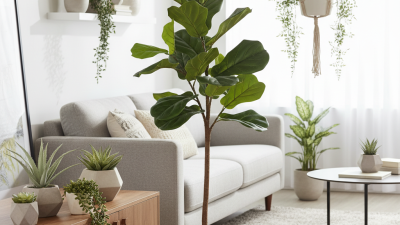
In 2026, Artificial Plant Decor is less about filling empty corners and more about shaping a room’s mood. A realistic olive tree beside a low sofa can soften sharp lines. Trailing pothos on a kitchen shelf adds movement without demanding care. Expect interest in varied leaf shapes, muted greens, and planters with ceramic, stone, or woven textures. These details help artificial foliage feel considered, not simply displayed. Small changes matter.

Interior designer Nate Berkus offers a useful decorating principle: “Your home should tell the story of who you are, and be a collection of what you love.” His advice is not specifically about artificial greenery, but it offers a thoughtful way to choose it. Match the plant’s scale to the room, check whether its color works in both daylight and lamplight, and look closely at leaf edges and visible stems. A glossy, oversized tree may suit a bright entryway, yet feel out of place in a quiet bedroom. Realism is not everything. Sometimes a slightly stylized plant fits better.

This guide explores the leading Artificial Plant Decor directions for 2026, from sculptural floor plants to layered shelf greenery. It also considers tactile pots, restrained color palettes, and practical placement. Trends are useful, but a photograph-worthy arrangement can still feel awkward at home. The best choice should suit your space, upkeep preferences, and personal taste—not just the season.
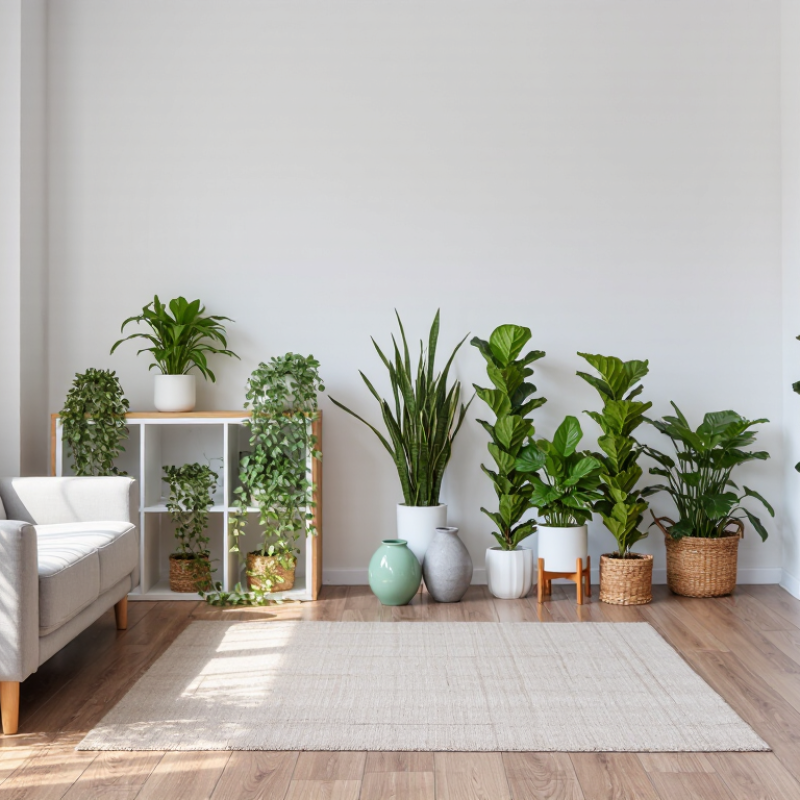
What Are the Top Artificial Plant Decor Trends for 2026?

What Defines Artificial Plant Decor Trends in 2026?

What defines artificial plant decor in 2026 is not perfect imitation, but believable texture and thoughtful placement. Grand View Research valued the global artificial plants market at $1.6 billion in 2023 and projected 4.8% annual growth from 2024 to 2030. That figure tracks market demand, not specific design preferences, but it points to a category moving beyond occasional filler. In practice, designers are favoring fewer, more convincing stems: a sculptural olive branch in a matte clay vessel, or trailing leaves that soften a bare shelf without crowding it.

Natural variation matters.

Look for layered greens, irregular leaf spacing, and stems that bend rather than stand rigidly upright. Dust still shows. A little maintenance helps. 2026 schemes also pair artificial foliage with tactile materials such as linen, weathered wood, and stone, creating contrast instead of a showroom-perfect “green corner.”

Scale is another defining choice: one tall plant can anchor an entry, while small arrangements work best where real plants might struggle with low light.

The look can feel convincing, but not every artificial leaf will fool you up close—and that may be fine. Credibility comes from restraint, clean placement, and choosing plants suited to the room, not from pretending they are alive.
Leading Styles in Artificial Plant Decor

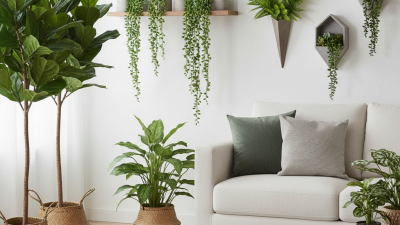
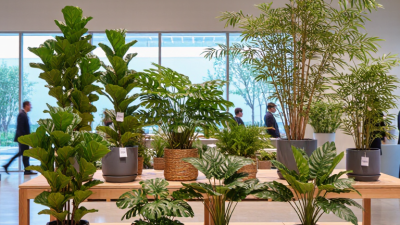
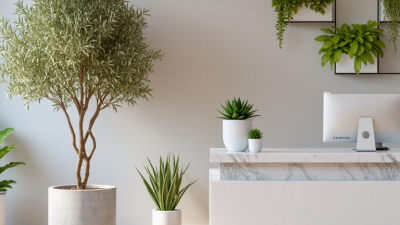
Leading styles in artificial plant decor for 2026 favor natural variation over matching, glossy leaves. Look for sculptural branches, layered foliage, and restrained olive or dusty-green tones. A single tall ficus-style tree can soften an empty corner, while trailing stems bring texture to open shelving. Small details matter. Varied leaf sizes and subtle color shifts make arrangements feel less uniform.

Grand View Research estimated the global artificial plants market at USD 1.66 billion in 2023, with a projected 4.9% compound annual growth rate from 2024 to 2030. That signals category growth, though it does not prove one particular style will dominate.

For smaller rooms, compact tabletop arrangements and narrow vertical gardens add greenery without crowding surfaces. In larger spaces, pairing a few substantial plants with simple ceramic or woven planters often looks more intentional than filling every gap.

Human Spaces’ 2015 global workplace study surveyed 7,600 workers; 58% reported having no live plants in their workspace. This is a useful clue about the appeal of greenery, not evidence that artificial plants deliver the same benefits as living ones.

Choose convincing textures, but inspect them in daylight: some leaves look realistic indoors and oddly shiny near a window. A little imperfection helps. Mix heights and leaf shapes, then leave some space around the display.

Trending Plant Types, Colors, and Materials

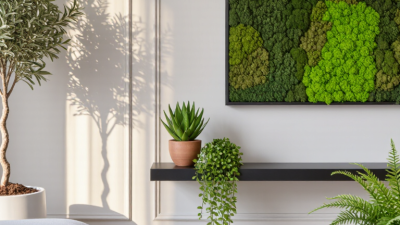
Artificial plant decor in 2026 is moving toward arrangements that look varied rather than perfectly matched. Olive branches, airy eucalyptus, and realistic trailing vines suit shelves and narrow corners. Larger fiddle-leaf forms still make a strong statement, but their leaves need believable variation in shape and sheen. Too much symmetry can make even a good arrangement feel staged.

Color is becoming softer and more natural. Dusty green, sage, and muted fern tones work well with warm white walls, while a few bronze or burgundy leaves add depth. Texture matters more. Look for veined leaves, subtle color shifts, and stems that bend without looking rigid. Not every room agrees. A dark, glossy leaf may feel heavy beside pale linen, so test the contrast in the room’s actual light.

Materials are also changing in appearance, with fabric, molded polymer, and mixed-material foliage offering different strengths. Fabric leaves can look soft up close but may collect dust; smooth surfaces are easier to wipe yet can reflect light unnaturally. Check the base, too. A weighted pot and visible soil-like filler help a tall plant sit securely, while a few imperfect leaves often make the whole display more convincing.

How Artificial Plants Are Used in Modern Interiors

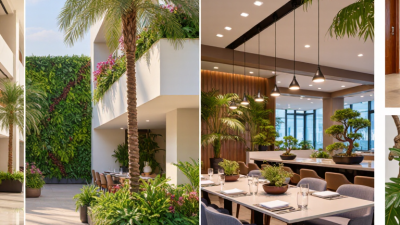
Artificial plants are becoming deliberate design tools, not just shelf fillers. In 2026, modern interiors use them to soften hard lines, add color, and bring visual depth to spaces with little daylight. A tall olive-style tree can balance a bare wall, while trailing foliage works well above kitchen cabinets or on a bookcase. Choose varied leaf shapes and muted greens; repeated glossy leaves can look flat under bright lighting. Less can feel more convincing.

The Human Spaces report, The Global Impact of Biophilic Design (2015), surveyed 7,600 office workers across 16 countries. Workers with more natural elements in their offices reported 15% higher wellbeing, 6% higher productivity, and 15% greater creativity. These findings concern natural elements broadly, not artificial plants specifically. Faux greenery can create a nature-inspired look, but it does not clean indoor air or replace living plants. Use it where maintenance, low light, or allergies make live foliage impractical. A useful detail: dust leaves regularly, and place them beside natural materials such as wood or stone. The result is not always perfect. That is worth noticing. Mix artificial stems with real branches or seasonal flowers, and keep the arrangement slightly irregular.

Top Artificial Plant Decor Trends for 2026

How artificial plants are being used in modern interiors

Lifelike greenery works especially well as a focal point or as a low-maintenance way to soften shelves and layered interiors. Scores are an editorial assessment on a 1–5 scale, not measured survey or market data.

Choosing and Maintaining Artificial Plant Decor

Artificial plant decor in 2026 leans toward natural-looking shapes, soft greens, and uncluttered displays. Choose foliage that suits the room’s light and scale, even though it needs no sunlight. A tall faux olive tree can soften an empty corner, while small trailing leaves work well on a shelf. Check the leaf finish in daylight; glossy plastic can look stark beside linen or unfinished wood. Match the planter to your interior, but avoid making every pot identical. A little variation feels more lived-in.

Tips: Measure the space before buying, and compare the plant’s height with nearby furniture. Bendable stems help create a relaxed silhouette. Dust leaves with a soft cloth or a slightly damp one, testing a small area first. Keep the arrangement simple. More foliage is not always better.

Artificial plants still need care. Dust collects along leaf edges and inside dense clusters, so inspect them every few weeks. Use mild soap and water only when the care instructions allow it, then let leaves dry fully. Keep arrangements away from hot radiators and prolonged direct sun, which can fade or warp some materials. If the shape looks stiff, adjust a few stems rather than rebuilding the whole display. It may remain a little imperfect, and that can look more convincing.

What Are the Top Artificial Plant Decor Trends for 2026? - Choosing and Maintaining Artificial Plant Decor
Trend What It Looks Like Where It Works Well Choosing Tips Care and Maintenance
Natural-looking foliage Leaves with varied sizes, subtle color variation, and realistic stems rather than uniformly glossy surfaces. Living rooms, entryways, offices, and other spaces where plants are viewed up close. Check the plant from several angles and look for natural variation in leaf shape and spacing. Choose colors that suit the room’s light and palette. Dust regularly with a soft cloth or brush. Keep away from prolonged direct sunlight, which can fade some materials.
Olive and eucalyptus-inspired greenery Airy branches with muted green, gray-green, or silvery leaves and a relaxed, understated shape. Dining tables, shelves, bedroom corners, and neutral or contemporary interiors. Select stems with flexible branches that can be arranged naturally. Use a suitable vase and avoid crowding the display. Wipe leaves gently and reshape branches after unpacking. Store seasonal stems in a dry, covered place when not in use.
Sculptural statement trees Larger artificial trees with a defined trunk, a clear silhouette, and foliage arranged to create visual height. Empty corners, reception areas, open-plan rooms, and spaces where a focal point is needed. Measure ceiling height and floor space first. Check the base for stability and choose a planter that fits the tree’s scale. Dust from top to bottom and rotate the tree occasionally to reduce uneven exposure to sunlight. Secure tall displays where they could be bumped.
Layered greenery and mixed textures Combinations of trailing vines, broad leaves, fine grasses, and compact plants arranged at different heights. Bookcases, side tables, covered balconies, and decorative groupings on consoles. Vary plant height and leaf shape while keeping a consistent color palette. Leave space between pieces so the arrangement does not look crowded. Remove dust from individual leaves and check trailing stems for tangles. Keep arrangements away from heat sources that may affect plastic or fabric parts.
Vertical greenery and compact displays Wall-mounted foliage, small hanging planters, or narrow arrangements that add greenery without taking up much floor space. Small apartments, hallways, work areas, and rooms with limited natural light. Check the wall-mounting method and the weight of the finished display. Choose a size that leaves enough clearance around doors and walkways. Dust regularly, especially on upper surfaces. Inspect hanging hardware periodically and keep displays clear of heaters and cooking grease.
Seasonal, changeable arrangements Reusable greenery combined with interchangeable flowers, branches, or decorative accents for different seasons. Dining areas, entry tables, event spaces, and rooms that benefit from occasional decor updates. Choose a versatile base arrangement and add a few seasonal stems rather than replacing the entire display. Check that pieces fit securely together. Clean stems before storage and keep them in a cool, dry place. Use separate containers to prevent bending or crushing delicate details.
Quick selection checklist: Match the plant’s scale to the room, inspect its shape and finish in natural light, choose a stable planter, and follow the care instructions provided for its materials.