Top 10 Artificial Plant Bonsai Styles for Global Buyers?
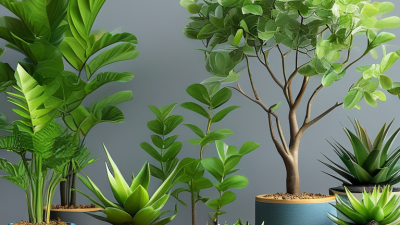
Artificial Plant Bonsai has gained popularity among homeowners and collectors worldwide. As an industry expert, Dr. Emily Tran emphasizes, "Artificial Plant Bonsai offers beauty without the upkeep." This statement captures the essence of why these botanical creations are desired. They add greenery to spaces while eliminating the stress of plant care.
Choosing the right style of Artificial Plant Bonsai can enhance your environment. Styles range from traditional Japanese designs to modern interpretations. Each presents a unique aesthetic, making it crucial for buyers to understand their options. Curators often face the challenge of selecting pieces that reflect their taste and the intended atmosphere of their spaces.
However, there are pitfalls in the market. Some products lack the realistic appearance that buyers seek. Others may not fit well in diverse settings. Shoppers should consider the quality and style of each Artificial Plant Bonsai to ensure they make informed decisions. By doing so, one can appreciate the charm these artificial pieces bring to both home and office environments.
Top 10 Artificial Plant Bonsai Styles for Global Buyers
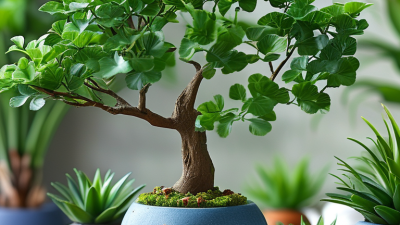
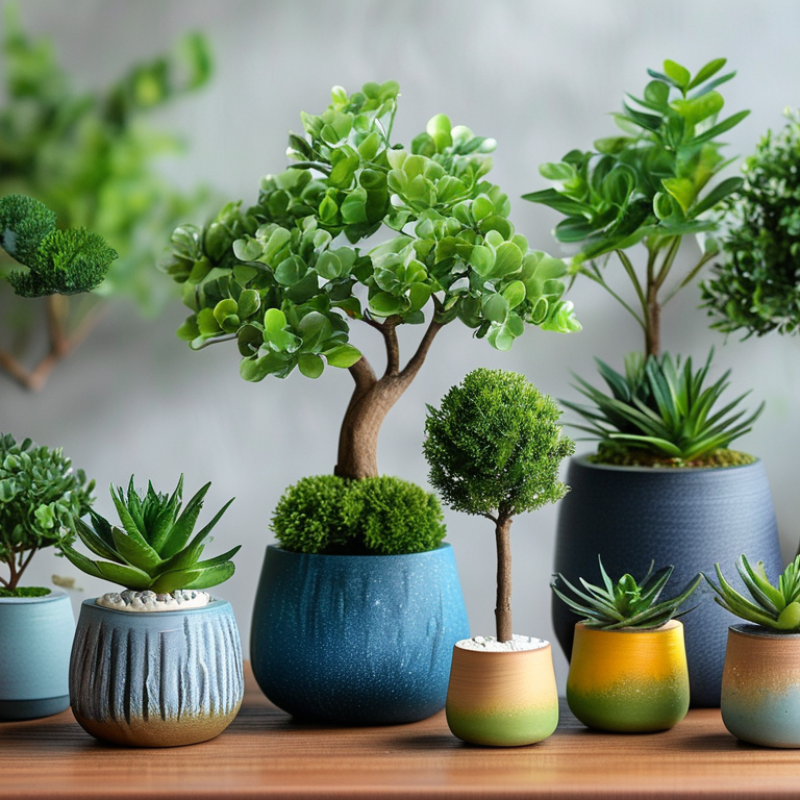
Artificial plant bonsai has gained popularity among global buyers for its low maintenance and aesthetic appeal. Research indicates that the artificial plant market is expected to reach $3.8 billion by 2027, driven by the growing demand for versatile home decor. Bonsai styles like the Ficus, Sago Palm, and Juniper contribute significantly to this trend, providing options that suit various tastes and home environments.
Many buyers appreciate the intricate designs of artificial bonsai, resembling their real counterparts. Data shows that Asian-inspired bonsai styles dominate sales, appealing to a global audience. However, the challenge remains; some consumers still prefer authentic plants for their emotional connection. This highlights an area for improvement in how artificial options can replicate the organic feel of live plants while maintaining their visual charm.
Environmental considerations also play a role in buyer decisions. Reports suggest that 65% of consumers factor sustainability into their purchasing choices. As manufacturers enhance eco-friendly materials in artificial bonsai production, a greater acceptance can be achieved. Nonetheless, the debate continues about the authenticity of artificial versus live plants, indicating a gap for further exploration and refinement in the market.
Overview of Artificial Bonsai: Market Trends and Growth Statistics
The artificial bonsai market is witnessing impressive growth. These charming plants offer aesthetics without the maintenance of real ones. Buyers appreciate their versatility. Many are looking for unique designs to enhance their spaces.
Recent trends indicate a rising demand for eco-friendly materials. Consumers are prioritizing sustainability alongside aesthetics. This shift is influencing production methods. Artificial bonsai makers are exploring innovative, recycled materials. Quality remains paramount, though some products may fall short in realism.
Statistical reports highlight significant growth in market size. Global interest is expanding, especially in urban areas. Many individuals seek plants that improve air quality and ambience. Still, there is a challenge in ensuring consistent quality. As buyers become more discerning, they desire authenticity in artificial plants. This evolving landscape encourages manufacturers to enhance their offerings consistently.
Popular Aesthetic Styles: Minimalism, Traditional, and Modern Influences
Artificial plants have gained popularity in recent years, especially bonsai styles. Many buyers are drawn to the aesthetics of minimalism, traditional designs, and modern influences. A report by the National Retail Federation indicates that the demand for artificial plants, including bonsai, has risen by over 25% since 2021.
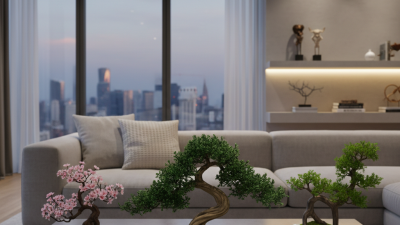
Minimalist bonsai styles often feature clean lines and simple arrangements. These designs appeal to those who appreciate space and clarity. They work well in contemporary homes, where the focus is on functionality. However, minimalism can sometimes come across as too stark, lacking warmth and personality.
Traditional bonsai styles, rich in history and detail, resonate with those who seek authenticity. They reflect cultural values and craftsmanship. Yet, replicating these styles can be challenging. It requires a thoughtful approach to emulate the natural growth of real bonsai. Modern influences introduce innovative shapes and colors. This flexibility attracts a diverse audience. However, balancing creativity with respect for traditional techniques is often a delicate process. The market continues to evolve, prompting buyers to reflect on their preferences and choices.
Comparison of Materials: Silk, Plastic, and Eco-Friendly Alternatives
When considering artificial plant bonsai styles, understanding the materials is crucial. The three main materials are silk, plastic, and eco-friendly alternatives. Silk bonsais offer a delicate and realistic appearance. However, they can fade over time and require careful handling. Plastic bonsais, while durable and water-resistant, often lack a natural look.
Research indicates that the market for eco-friendly alternatives is growing rapidly. In fact, it is expected to reach $150 billion globally by 2025. These materials often use recycled substances. They provide an option for environmentally conscious buyers who want to decorate their spaces sustainably. However, the quality can vary significantly depending on the manufacturer.
Tips: Always check for certifications when purchasing eco-friendly products. Not all green claims are reliable. Consider the maintenance required for each style. Silk plants need dusting, while plastic ones can simply be wiped clean. Evaluating your needs will lead to the best choice for your environment.
Regional Preferences: Bonsai Styles Favored in Europe vs. Asia
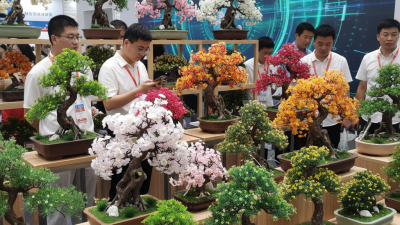
When considering bonsai styles, regional preferences play a crucial role. In Asia, traditional styles thrive. Japanese bonsai frequently exhibits meticulous craftsmanship. Artists focus on techniques that highlight the natural beauty of trees. Varieties like Juniper and Pine are popular choices, each chosen for their unique characteristics. The essence of harmony and balance is often reflected in these designs.
In contrast, European buyers lean towards more contemporary aesthetics. They often embrace less rigid forms. Styles like semi-cascade or informal upright appeal to their tastes. These designs emphasize organic shapes and natural imperfections. The goal is to create a sense of movement and spontaneity. Some may perceive this departure from tradition as a risk. It invites reflection on how bonsai can adapt over time. Local climates and the availability of materials also influence choices. Preferences are diverse and evolving, blending cultural influences.
Top 10 Artificial Plant Bonsai Styles Preferred in Europe vs. Asia
Conclusion
The article "Top 10 Artificial Plant Bonsai Styles for Global Buyers" explores the growing market for artificial plant bonsais, highlighting key trends and statistics that underline their popularity. As consumers increasingly seek aesthetically pleasing options for home and office decor, various styles—including minimalistic, traditional, and modern influences—are gaining attention. The piece also compares different materials used in artificial bonsai production, such as silk, plastic, and eco-friendly alternatives, catering to diverse preferences and environmental consciousness.
Regional preferences play a significant role in the selection of artificial plant bonsai, with distinct trends observed in Europe compared to Asia. Additionally, the article discusses future trends, focusing on innovations in design and technology that are shaping the next generation of artificial plant bonsais. This comprehensive look into artificial bonsai not only underscores their versatility and appeal but also provides insights into the evolving preferences of global consumers.