What is Artificial Plant Bonsai Benefits and Uses?
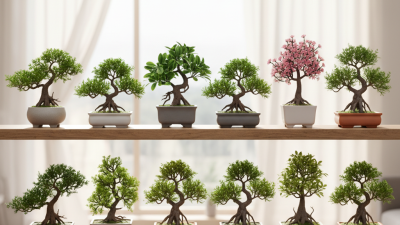
Artificial Plant Bonsai has gained popularity in recent years. These faux plants offer beauty without the need for upkeep. They can beautify any space, be it homes or offices. The appeal of Artificial Plant Bonsai lies in their realistic appearance and ease of maintenance.
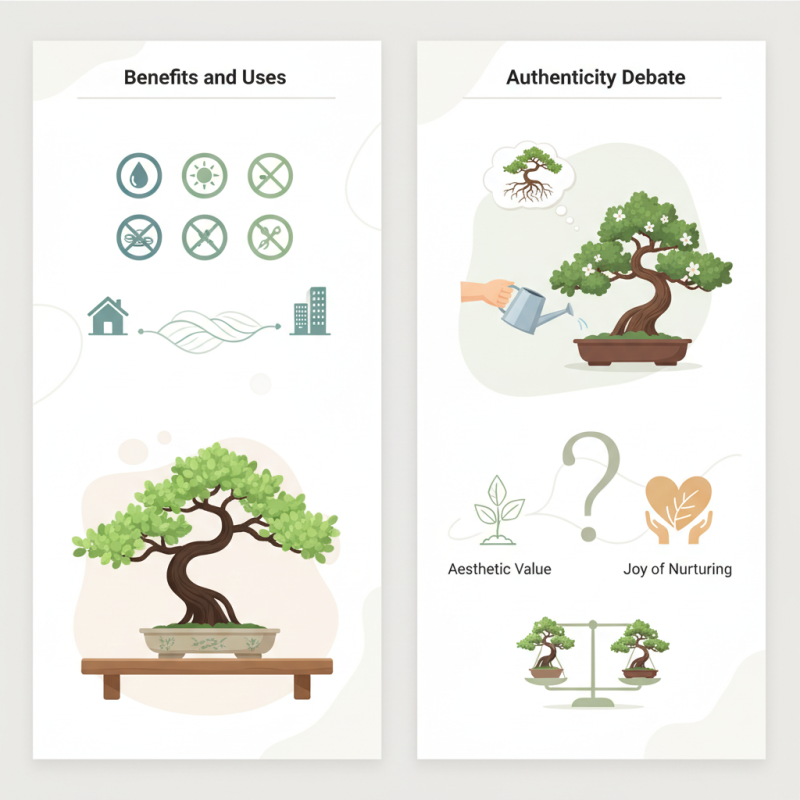
Many people appreciate plants but lack the time or knowledge to care for them. Artificial Plant Bonsai serves as the perfect solution. They don’t require watering, sunlight, or pruning. You can place them anywhere, creating a calm ambiance. This practicality makes them a favorite among busy individuals.
However, there is an ongoing debate about their authenticity. Some argue that artificial plants lack the essence of real flora. This perspective often stems from a longing for genuine connection with nature. While they do add aesthetic value, it’s important to reflect on the joy of nurturing living plants. Balancing beauty and authenticity can lead to a more fulfilling environment.
Definition of Artificial Plant Bonsai and Its Origins
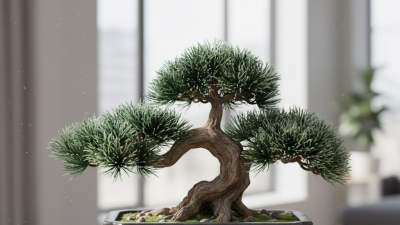
Artificial Plant Bonsai combines artistry with practicality. Originating in ancient China, this decorative art form has transformed over centuries. Initially, bonsai trees were cultivated as live plants; however, advancements in materials have led to realistic artificial alternatives. Today, artificial bonsai captures the essence of this traditional craft without the maintenance demands of live plants.
Recent studies highlight that artificial plants can improve indoor air quality. According to a report by NASA, certain plants can filter air pollutants effectively. While artificial bonsai does not purify the air, it offers aesthetic benefits without the same care requirements. This versatility allows them to thrive in various environments, making them ideal for busy individuals.
Tips for selecting the right artificial bonsai include considering size and placement. Smaller trees work well on desks, while larger ones can enhance living rooms. Authentic-looking designs with varying textures create visual interest. Remember, while these pieces are low-maintenance, they still require regular dusting to maintain their beauty. Reflecting on the appeal of artificial bonsai, one wonders if they can ever truly replicate the depth of living plants.
Benefits of Using Artificial Plant Bonsai in Home Decor
Artificial plant bonsais have become an integral part of home decor. They provide the beauty of nature without the maintenance. According to the National Gardening Association, 44% of households in the U.S. engage in some form of gardening. However, many people lack the time or knowledge for live plants. This is where artificial bonsais shine. They offer a beautiful aesthetic without requiring sunlight or water.
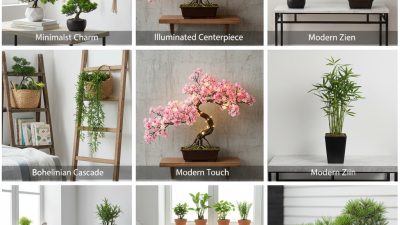
Another benefit is versatility. Whether placed in a minimalist setting or a traditional one, these bonsais blend seamlessly. A study from the Journal of Environmental Psychology indicates that indoor plants can improve mood and productivity. Artificial plant bonsais can mimic this effect, enhancing your space without the commitment to care. They’re also allergen-free, making them ideal for those sensitive to real plants.
While these faux plants do not replace the organic feel of real ones, they do fill a niche. Observing the intricacies of bonsai designs can stimulate creativity. However, some may miss the connection that living plants can foster. The key is to balance nature with convenience. Embracing artificial options can lead to a visually captivating environment that reflects personal style.
Benefits of Using Artificial Plant Bonsai in Home Decor
Environmental Advantages of Artificial Plant Bonsai Over Real Plants
Artificial plant bonsai offers numerous environmental benefits that make them appealing choices for indoor and outdoor spaces. Unlike real plants, these artificial plants require no water, sunlight, or soil, reducing resource consumption. This means less water waste and no need for chemical fertilizers. They serve as a sustainable decor option, allowing you to enjoy the beauty of plants without the ecological footprint that comes with live ones.
For those looking to incorporate greenery into their lives, consider placing artificial bonsai in spaces with limited light. They thrive in any environment and add a touch of nature where real plants may struggle. Plus, artificial plants are free from pests and allergens, ensuring a cleaner atmosphere. This can be especially beneficial for individuals with allergies or sensitivities.
Tip: When selecting artificial bonsai, choose materials that mimic real plants closely. Look for products with realistic textures and colors. Dust them occasionally to maintain their appeal. This small effort allows you to enjoy their charm and avoid a cluttered or neglected appearance. Remember, even artificial plants can fade over time. Regularly assess their condition to ensure they enhance your space beautifully.
What is Artificial Plant Bonsai Benefits and Uses? - Environmental Advantages of Artificial Plant Bonsai Over Real Plants
| Aspect |
Artificial Plant Bonsai |
Real Plant Bonsai |
| Maintenance Requirements |
Low, requires no watering or trimming |
High, requires regular care |
| Lifespan |
Indefinite |
Limited, varies based on care |
| Aesthetic Variety |
Available in numerous styles and designs |
Depends on tree species, limited variety |
| Environmental Impact |
No resources or water needed |
Requires water, soil, and maintenance |
| Allergy-Friendly |
Hypoallergenic |
May cause allergies in some individuals |
| Cost Effectiveness |
One-time purchase, long-term use |
Ongoing costs for care and maintenance |
Applications of Artificial Plant Bonsai in Commercial Spaces
Artificial plant bonsai has become a popular choice in commercial spaces. These miniature plants bring a touch of nature indoors without the maintenance required for real plants. Businesses can easily enhance their decor with these lifelike replicas. They are perfect for places with limited light or where staff may not have the time to care for live plants.
In offices, artificial bonsai can create a calming environment. They provide visual interest and can ward off stress. Placing them strategically around workspaces can promote creativity and focus among employees.
Additionally, they can be used in retail settings to make displays more inviting. A well-placed bonsai can draw customers in and enhance the shopping experience.
Despite their benefits, some may argue that artificial plants lack authenticity. They don't offer the same air-purifying qualities as real plants. Careful selection of quality products is essential to ensure they look realistic. It's important for businesses to consider these factors when incorporating artificial plant bonsai.
Balancing aesthetics with authenticity may lead to a more thoughtful use of these decorative items.
Comparison of Maintenance Requirements: Artificial vs. Real Bonsai
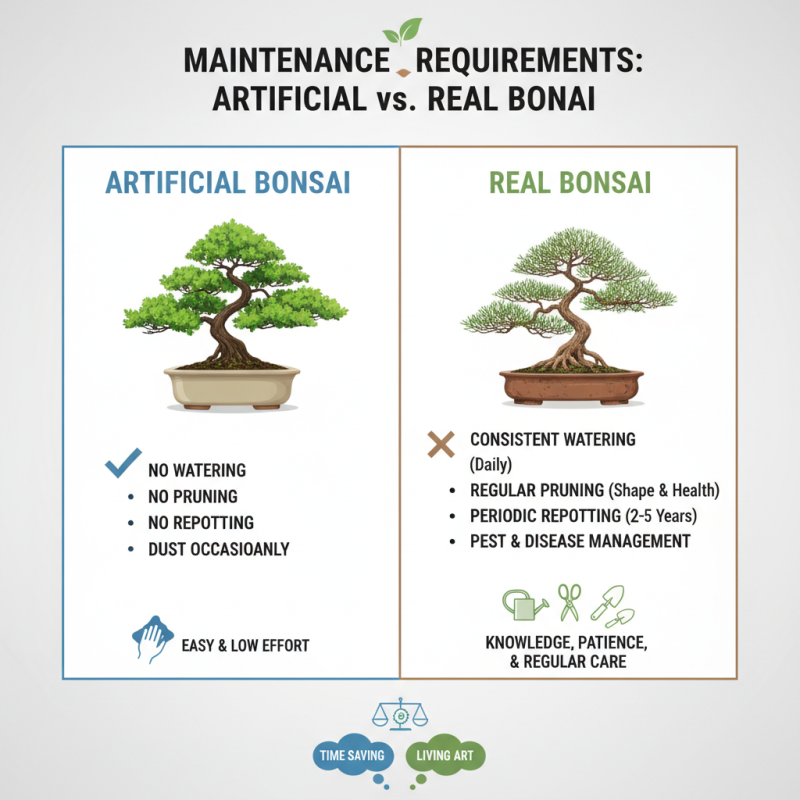
When comparing maintenance requirements, artificial and real bonsai have distinct advantages and challenges. Real bonsai trees demand consistent care, including watering, pruning, and repotting. This requires knowledge and patience. Even seasoned bonsai enthusiasts encounter difficulties in maintaining optimal soil moisture and preventing pests. Issues like root rot can arise if care is not meticulous.
In contrast, artificial bonsai offer a hassle-free alternative. They require no watering or specific light conditions. Dusting occasionally is the main form of maintenance. These plants can easily enhance interior décor without the commitment. However, they lack the natural beauty and authenticity of their real counterparts. Some may feel that artificial options are too perfect, missing the unique character found in living trees.
For those who enjoy horticulture, real bonsai can be rewarding. Each tree tells a story and reflects the owner's effort. Yet, newcomers might struggle with the intricacies of care. Artificial bonsai minimize stress but may not provide the satisfaction of nurturing a living plant. Both types have their place, depending on one's lifestyle and passion for gardening.