How to Create an Artificial Plant Wall for Your Space in 2026?
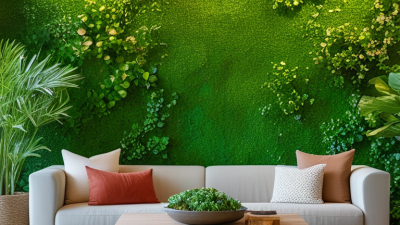
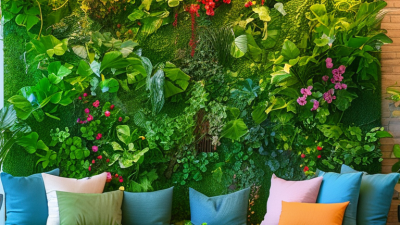
Creating an Artificial Plant Wall can transform any space into a lush oasis. This trend has gained popularity for its beauty and low maintenance. In 2026, designing an artificial plant wall requires careful planning and creativity.
Choosing the right materials is essential. Quality artificial plants can enhance the aesthetics significantly. However, not all products meet high standards. Many options may look convincing but lack durability. It’s crucial to research brands and discover reliable suppliers. Online reviews can provide insights into quality and customer satisfaction.
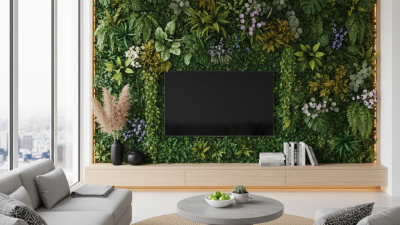
A well-designed artificial plant wall should harmonize with your existing decor. Placement matters immensely. Consider lighting and surrounding colors. Experimenting with different arrangements may yield surprising results. Ultimately, the goal is to create a stunning focal point that feels both inviting and refreshing. Don't be afraid to reflect on your designs and make adjustments. This process can be both challenging and rewarding.
Choosing the Right Location for Your Artificial Plant Wall
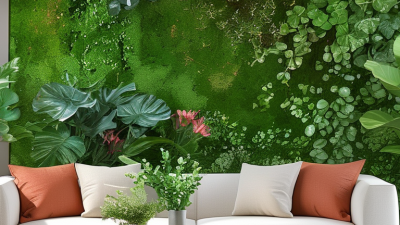
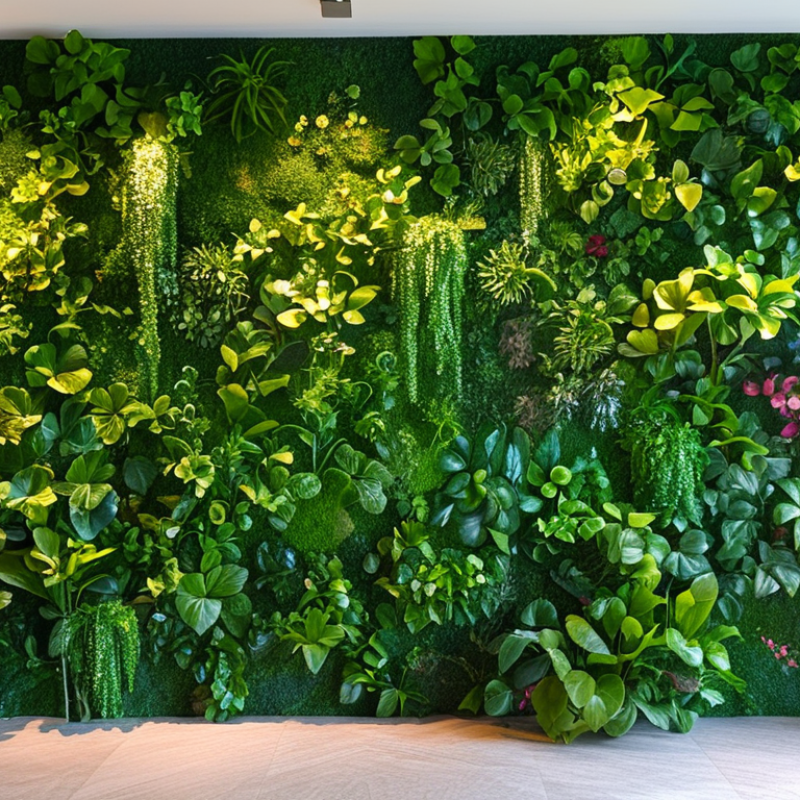
Choosing the right location for your artificial plant wall is crucial for its success. Look around your space and identify areas that lack vibrancy. A blank wall in a living room or the corridor can become a focal point with greenery. Natural light enhances the look of plants, even artificial ones. However, too much sun can cause colors to fade. Aim for a spot where light is abundant, but not overwhelming.
Pay attention to the size of the wall. A small area can become cluttered if too many plants are used. Conversely, a large wall may require a variety of plants to avoid a sparse look. Measure your space before starting. It’s essential to visualize how your arrangement will look. Consider using a design tool or an app to experiment with layouts. Sometimes, what seems appealing on paper may not translate well in real life.
Also, keep in mind that accessibility matters. If the wall is too high, maintenance can be tricky. Dust accumulation can dull the appearance of your plants. It’s a good idea to assess how often you’ll need to clean or rearrange them. This personal touch ensures that your artificial plant wall remains a beautiful part of your environment.
Artificial Plant Wall: Popular Plant Types for Indoor Spaces in 2026
Selecting Suitable Materials for Your Plant Wall Installation
Creating an artificial plant wall can breathe life into any space, but selecting suitable materials is crucial. Research suggests that artificial plants can increase perceived air quality. A study by the University of Queensland found that incorporating greenery into environments enhances mood and productivity by up to 15%. However, the effectiveness of your plant wall heavily relies on the materials used.
When choosing materials, consider durability and aesthetic appeal. High-quality artificial plants made with UV-resistant materials last longer and maintain color vibrancy. Polyethylene and nylon are common options, offering resilience against fading. They can withstand varying humidity levels, making them suitable for indoor and outdoor installations. In contrast, cheaper materials might deteriorate quickly, requiring frequent replacements, which could lead to higher costs over time.
Furthermore, the backing of your plant wall is essential. Panels made of lightweight yet sturdy materials, such as PVC or metal, provide good support. They are easy to install and remove. However, improper installation could lead to sagging, affecting the wall's appearance. Carefully planning your installation can prevent such issues. Consider the overall design and spatial context to ensure a cohesive look, avoiding overcrowding that might make the wall appear unkempt.
Designing the Layout and Arrangement of Your Artificial Plants
Creating an artificial plant wall involves careful planning and more than just hanging plants.
Start by measuring the wall space. Knowing the dimensions helps in choosing plants that will fit perfectly.
Large blocks of color can enhance the visual appeal. Consider mixing different shades of green to create depth.
Arrange plants in layers to add dimension. Group taller plants at the back and shorter ones at the front.
This creates a more natural look. Don’t be afraid to add quirky elements. A few decorative items can bring personality.
However, balance is key. Too many objects can create chaos.
Choosing the right backing is equally important. A simple, neutral background often works best.
It allows the plants to shine. Think about the overall vibe you want. A relaxed feel might call for more greenery,
while a modern space may benefit from clean lines.
Review your arrangement periodically. This ensures it continues to feel fresh and dynamic.
Adjust as needed; what looks good at first might need tweaking over time.
Mounting Techniques for Securing the Plant Wall Effectively
Mounting an artificial plant wall requires careful consideration of technique. Choosing the right mounting method is crucial for stability and aesthetic appeal. Options include using heavy-duty adhesive, wall-mounted grids, or metal brackets. Each technique has varied effectiveness based on wall type. For instance, surveys show that adhesive methods can fail on porous surfaces, leading to frustrations.
According to a study by the Interior Design Association, 40% of installations fail due to improper mounting. It emphasizes the need for a clear plan before installation. Testing the surface for texture and weight capacity can prevent future issues. Furthermore, utilizing anchors for heavier sections of the wall can enhance durability.
In terms of aesthetics, the arrangement is vital. The visual balance achieves a more natural look. However, overcrowding can detract from the design. Professionals recommend leaving some gaps for an organic feel. Reflecting on these aspects can lead to a more successful implementation.
Maintaining and Cleaning Your Artificial Plant Wall for Longevity
Maintaining your artificial plant wall is crucial for its longevity. Regular upkeep can keep it looking fresh and vibrant. Dust can accumulate on the leaves and branches. To avoid this, gently wipe the surfaces with a soft, damp cloth. This simple act helps maintain the visual appeal of your display.
Cleaning the artificial plants is equally important. Use mild soap and water for deeper cleanings. Soak a sponge in the solution and scrub the artificial foliage lightly. Rinse it off thoroughly. Ensure all residue is removed, or it could attract pests. Every few months, consider taking the wall section outdoors for a quick rinse with water.
It's easy to overlook this maintenance. In the rush to enjoy your wall, you might forget about the details. However, neglect can lead to fading colors and a dull appearance. A few minutes of care can transform your space. By being mindful of maintenance, your artificial plant wall can remain a striking centerpiece for years.