Top 10 Tips for Choosing an Artificial Plant Wall for Your Space?
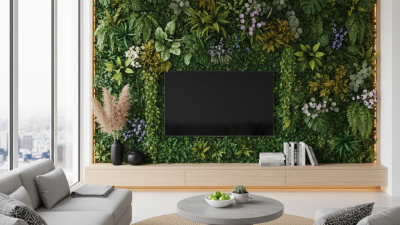
When considering the addition of an Artificial Plant Wall to your space, the choices can be overwhelming. According to Maria Hargrove, a prominent expert in the field of interior design, “The right greenery transforms a room, but it must fit your style and space.” This quote emphasizes the importance of thoughtful selection. An Artificial Plant Wall not only enhances aesthetic appeal but also impacts the overall environment.
Choosing the right wall requires careful attention to detail. Look for quality materials that mimic real plants. Durability is crucial, especially in high-traffic areas. Additionally, consider the color and texture to match your interior. The aim is to create a natural feel that elevates your space without overwhelming it.
Reflecting on past choices can be beneficial. Many people regret not researching enough. Each decision should echo personal style while providing ambiance. An Artificial Plant Wall can be an excellent focal point, but ensuring it aligns with your vision is essential. Prioritize authenticity and quality in your choices, and allow creativity to guide you.
Understanding the Benefits of Artificial Plant Walls for Interior Design
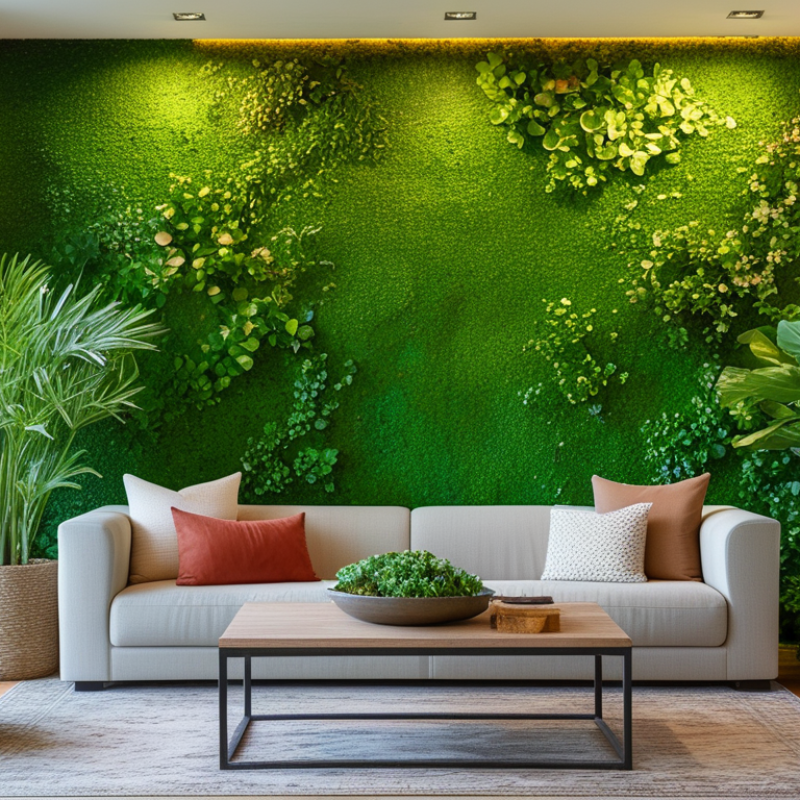
Artificial plant walls bring numerous benefits to interior design. They improve air quality by reducing toxins. A study by the Global Industry Analysts shows that incorporating greenery indoors can boost productivity by over 15%. These walls not only enhance aesthetics but also promote a calming atmosphere.
When choosing an artificial plant wall, consider the layout of your space. Ensure it complements your existing decor. Opt for a design that fits your color scheme. Choosing the right materials is essential. High-quality synthetic plants look more realistic and last longer.
Lighting is crucial too. Proper illumination can highlight the textures of the leaves. Think about maintenance. Artificial walls require less care, making them suitable for busy environments. Evaluate the potential for fading over time. It’s an important factor. A research from the American Society of Interior Designers shows that 70% of designers prefer plants for their low maintenance needs.
Top 10 Benefits of Artificial Plant Walls for Interior Design
Assessing Space Requirements and Optimal Sizing for Your Plant Wall
Choosing the right artificial plant wall requires careful consideration of your space. Start by assessing the size of the area where you plan to install it. Measure the height and width of the wall to identify optimal dimensions. An oversized plant wall can overwhelm a small room. Conversely, a wall that is too small might get lost in the space. Striking the right balance is crucial for achieving visual harmony.
Next, think about the layout. Will the plant wall act as a focal point or a subtle backdrop? A well-placed wall can enhance the overall aesthetic. Additionally, consider natural light in the area. Some artificial plant walls thrive under bright light conditions, while others do well in darker spaces. Reflect on how the plant wall aligns with your current decor. This reflection ensures it complements existing elements rather than competing with them. Remember, trial and error can lead to valuable insights.
Choosing the Right Materials for Durability and Aesthetic Appeal
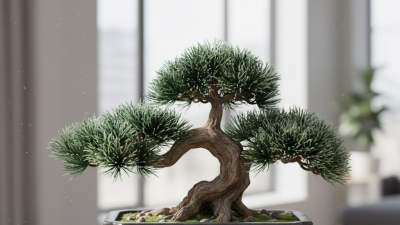
When selecting an artificial plant wall, the choice of materials is crucial for both durability and aesthetic appeal. High-quality options like UV-resistant plastic and silk can withstand time and enhance realism. Look for materials that mimic the texture and vibrancy of real plants. These elements contribute to a lifelike appearance, transforming any space into a refreshing oasis.
Consider the environment where the plant wall will be used. Indoor walls may require different materials than outdoor setups. For instance, outdoor installations benefit from water-resistant materials. Colorfastness is another essential factor; faded colors can detract from the visual impact. Opt for materials that maintain their hue for years.
Reflecting on design, balance is key. Too many varieties can overwhelm the senses. Aim for a harmonious blend of colors and sizes. Also, ensure the wall is easy to clean. Dust can accumulate, diminishing its beauty. Examine maintenance needs regularly. The right materials will make upkeep simpler, ensuring your plant wall remains an attractive focal point.
Top 10 Tips for Choosing an Artificial Plant Wall for Your Space
| Tip |
Material Type |
Durability |
Aesthetic Appeal |
Maintenance Level |
| Consider the Space Size |
Polyethylene |
High |
Natural Look |
Low |
| Assess Light Conditions |
Silk |
Medium |
Lifelike |
Medium |
| Choose UV Resistant Options |
PVC |
Very High |
Modern Look |
Low |
| Match Design Style |
Fabric |
Medium |
Elegant |
High |
| Consider the Color Palette |
Faux Foliage |
High |
Vibrant |
Low |
| Check for Realism |
Polyester |
Medium |
Realistic |
Medium |
| Select Appropriate Height |
Latex |
High |
Luxurious Feel |
Low |
| Evaluate Installation Options |
Plastic |
Medium |
Functional |
Medium |
| Consider Application Areas |
Canvas |
High |
Artistic |
Low |
| Set a Budget |
Mixed Materials |
Varies |
Customized |
Varies |
Evaluating Different Styles and Varieties of Artificial Plants
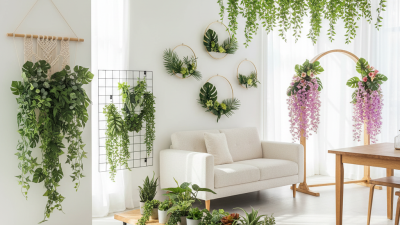
When considering an artificial plant wall, style and variety are crucial. Different styles can dramatically change the feel of your space. Modern designs may feature sleek lines and geometric arrangements. On the other hand, a rustic look often embraces a more organic, chaotic feel. It's essential to match the design to your existing decor. Think about the atmosphere you want to create. A soft, lush wall can enhance tranquility, while bold, angular designs may energize a room.
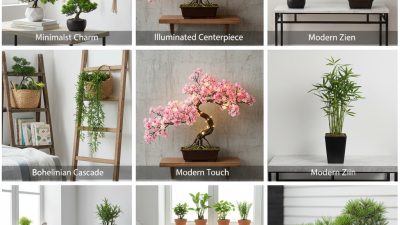
Variety matters, too. There are countless species of artificial plants, each with unique colors and textures. Some might look almost real, while others serve more decorative purposes. A mix of foliage types can add depth. However, not all varieties work in every setting. For instance, large leaf plants can overwhelm smaller spaces. Choosing the right scale is vital. Take time to evaluate how different plants will align with your aesthetic. Not all plants will suit your needs. Experimentation may lead to unexpected combinations or unpleasing visuals, so reflection is key.
Maintenance and Care Considerations for Long-lasting Plant Walls
When selecting an artificial plant wall, maintenance and care are crucial for longevity. Many assume these walls require little attention. However, regular upkeep can enhance their appearance and durability. Dust can accumulate on the leaves, diminishing their look and realism. A gentle wipe with a damp cloth every month will keep them looking fresh.
Consider the environment where the plant wall is placed. High humidity or exposure to direct sunlight can affect some materials used in artificial plants. Check for fading or wear over time. If you notice any flaws, it might be time to rethink your choice.
Tips for choosing the right wall include assessing the quality of materials used. Look for UV-resistant options if placed indoors near windows. Color matching with your decor can also elevate your space. Take your time to reflect on your choices. Sometimes, the most lavish wall may not fit your style. Look for one that feels right.