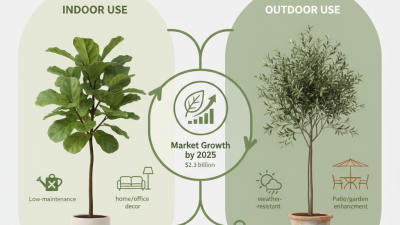
Top Artificial Outdoor Trees for Global Buyers in 2026?
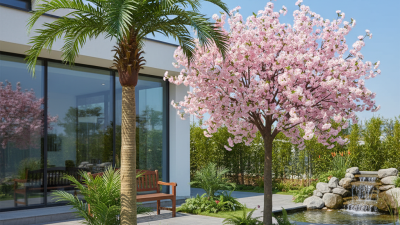
In the ever-evolving landscape of landscaping and outdoor decor, the rise of the "Artificial Outdoor Tree" market is noteworthy. Many global buyers are seeking sustainable and aesthetically pleasing alternatives for outdoor spaces. Expert botanist Dr. Emily Hartwell emphasizes, "Artificial Outdoor Trees blend beauty with low maintenance, addressing modern landscaping needs."
While artificial trees provide a long-lasting solution, buyers must consider material quality and realistic designs. Many products lack the lifelike features that appeal to consumers. Investing in a quality artificial tree can enhance outdoor environments, yet improper choices may lead to dissatisfaction.
In 2026, the demand for Artificial Outdoor Trees will grow, driven by sustainability trends. However, buyers must carefully evaluate options. Balancing aesthetics and durability is essential for effective outdoor decor. Like any industry, there's room for improvement, and informed decisions are key to success.
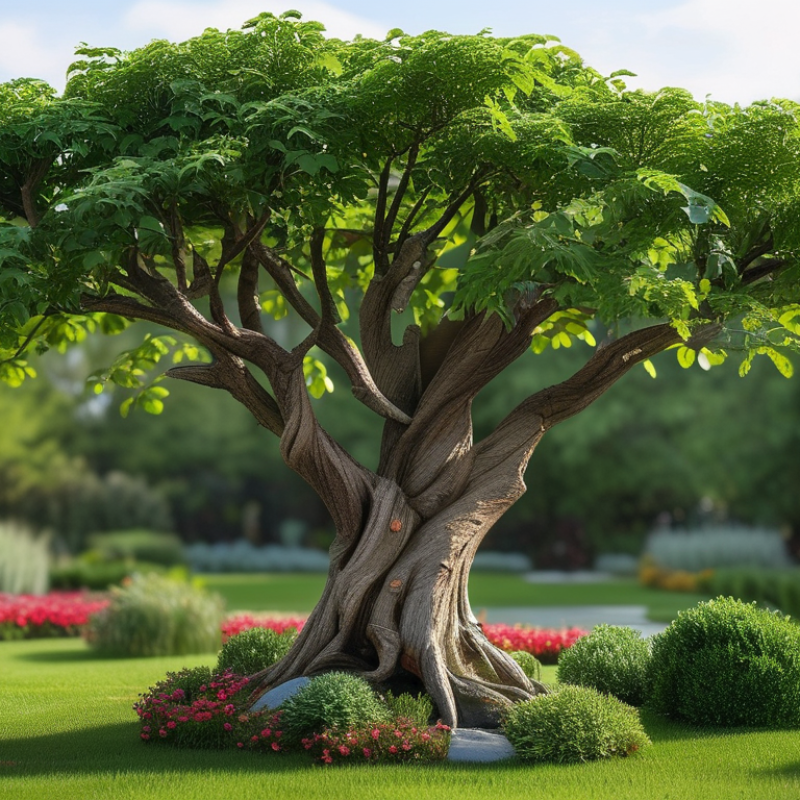
Top Artificial Outdoor Trees: Market Overview and Trends for 2026
As we look ahead to 2026, the artificial outdoor tree market is poised for remarkable growth. Global buyers seek aesthetically pleasing and durable options for landscaping and urban beautification. The demand for high-quality synthetic trees will soar as more environments emphasize sustainability.
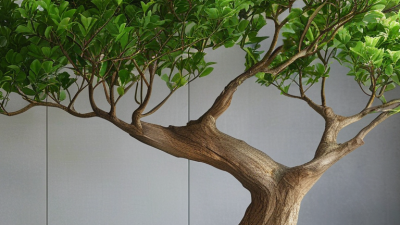
Material innovation is a key trend. Manufacturers increasingly use weather-resistant materials for longevity. Realistic designs with intricate details mimic the natural look. These enhancements not only elevate aesthetics but also address practical concerns like maintenance and transportation. Eco-friendly practices are becoming essential. Buyers increasingly prioritize companies that use recycled or sustainable materials.
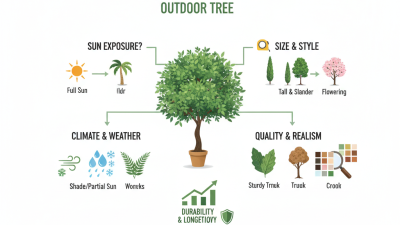
Tips: When selecting artificial trees, consider size and placement. A larger tree creates an impactful focal point. Alternatively, smaller trees work well for layered landscaping. Assess the local climate too. Some materials perform better in specific environments. Buyers should weigh these aspects against their unique needs. A well-informed choice can enhance any outdoor space significantly.
Benefits of Artificial Outdoor Trees in Landscaping and Urban Design
Artificial outdoor trees have gained immense popularity in landscaping. They provide many benefits that enhance urban design. Their aesthetic appeal transforms spaces, making areas more inviting and vibrant. They are easy to maintain, bringing greenery without the need for constant care. Unlike natural trees, they do not require watering, pruning, or pest control. This maintenance-free characteristic is a strong plus for urban settings.
Tips for incorporating artificial trees: Choose trees that match the local environment. This will create a harmonious look that blends well with existing elements. Ensure that the materials used are durable and weather-resistant. It is essential to evaluate how these trees will withstand the elements over time. While they are designed to mimic nature, some might look artificial upon close inspection.
It’s important to reflect on the potential downsides. While these trees are low maintenance, they lack the ecological benefits of real trees. They do not produce oxygen or support local wildlife. This raises questions about their overall environmental impact. Balancing aesthetic value and ecological responsibility is vital in landscaping decisions.
Leading Manufacturers and Suppliers in the Global Artificial Tree Market
The global artificial tree market continues to grow. Innovative designs and eco-friendly materials attract buyers worldwide. Manufacturers are focusing on quality and authenticity. They provide unique products that mimic real trees closely. This trend is reshaping urban and commercial landscapes.
Suppliers play a vital role in this industry. Their understanding of market demands helps drive product development. Many manufacturers invest in sustainable practices. This commitment enhances their credibility among conscious consumers. In recent years, educational initiatives have emerged, focusing on the benefits of artificial trees.
However, not all products meet high standards. Some may lack durability or realistic features. Buyers must do their research to ensure quality. Additionally, the market faces challenges like fluctuating raw material costs. Awareness of these factors is crucial for making informed decisions. While the future looks promising, reflection on these imperfections will guide improvements.
Sustainability and Eco-friendliness: Innovations in Artificial Trees
Artificial trees are becoming popular for their aesthetic appeal and functionality. In 2026, global buyers are looking for sustainable options. Innovations in materials and designs are crucial. Many manufacturers use recycled materials to create lifelike appearances. This reduces waste and promotes eco-friendliness.
Moreover, some artificial trees incorporate solar technology. These trees can power lights or even small devices. It's a great way to enhance outdoor spaces while staying environmentally conscious. Yet, the shift toward these innovations is not perfect. Some materials may still lack durability. Questions about long-term impacts remain.
Ultimately, buyers must weigh the benefits against sustainability claims. The journey toward fully eco-friendly artificial trees is ongoing. New methods and materials are emerging continuously. Awareness and education are vital for making informed purchases.
Top Artificial Outdoor Trees for Global Buyers in 2026
Forecasted Market Growth and Consumer Preferences for 2026
The market for artificial outdoor trees is poised for impressive growth by 2026. Various reports predict a compound annual growth rate (CAGR) of over 8% during this period. As consumers increasingly seek sustainable landscaping options, the demand for high-quality artificial trees will likely surge. This shift reflects an evolving preference for low-maintenance and environmentally friendly design choices.
Data indicates that aesthetic appeal and durability are driving factors for buyers. Approximately 70% of consumers prioritize lifelike appearance when selecting artificial trees. Additionally, 60% value materials that are UV-resistant and weatherproof. These features enhance longevity, making artificial trees a smart investment for outdoor spaces. However, challenges remain. Some consumers are still hesitant, fearing these options may lack authenticity. Addressing these concerns is crucial for suppliers aiming to tap into a growing segment of environmentally conscious buyers.
Moreover, ongoing trends in home improvement show that more people are investing in outdoor aesthetics. Reports highlight a notable increase in landscaping expenditures. In 2025, spending on outdoor decor is expected to exceed $10 billion in various regions. This growth reflects changing consumer attitudes toward outdoor spaces as extensions of their living areas. As we approach 2026, understanding these preferences is essential for vendors wishing to thrive in the artificial tree market.
Top Artificial Outdoor Trees for Global Buyers in 2026 - Forecasted Market Growth and Consumer Preferences
| Tree Type |
Market Growth (%) |
Preferred Material |
Regions with Highest Demand |
Consumer Preference |
| Faux Palm Trees |
10% |
Plastic |
North America, Europe |
Durability and Realism |
| Artificial Birch Trees |
12% |
Polyester |
Asia, Oceania |
Aesthetic Appeal |
| Evergreen Conifers |
8% |
PVC |
Europe, North America |
Longevity |
| Flowering Cherry Trees |
15% |
Silk |
Asia, North America |
Realistic Look and Feel |
| Maple Trees |
9% |
Plastic |
North America, Europe |
Seasonal Aesthetics |