Top Benefits of Artificial Green Walls for Modern Interior Design?
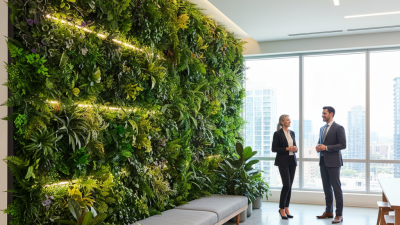
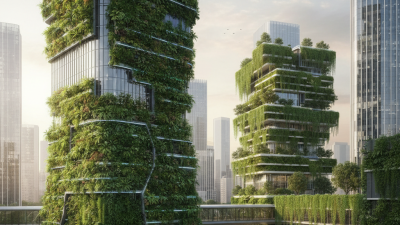
Artificial Green Walls have become a defining feature in modern interior design. These innovative installations bring nature into urban spaces, enhancing aesthetics and improving indoor air quality. Renowned expert Dr. Sarah Greenfield highlights their impact: "Artificial Green Walls transform lifeless walls into vibrant ecosystems."
The integration of Artificial Green Walls not only beautifies interiors but also contributes to emotional well-being. With a variety of plants and designs, they cater to diverse tastes. Yet, the maintenance of these walls can pose challenges. Regular care is essential to sustain their visual appeal.
Moreover, the installation process requires professional expertise. Each wall needs careful planning to ensure proper lighting and moisture. The initial investment can be significant, which may deter some clients. However, the long-term benefits often outweigh these concerns. Embracing Artificial Green Walls is a step towards creating a healthier, more inviting living environment.
Benefits of Aesthetic Enhancement in Interior Spaces with Green Walls
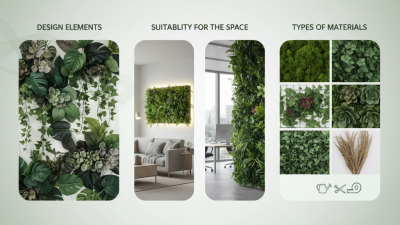
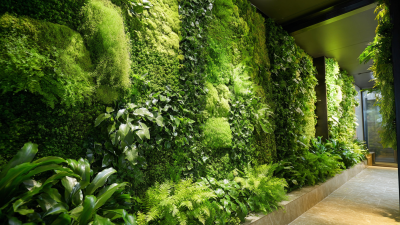
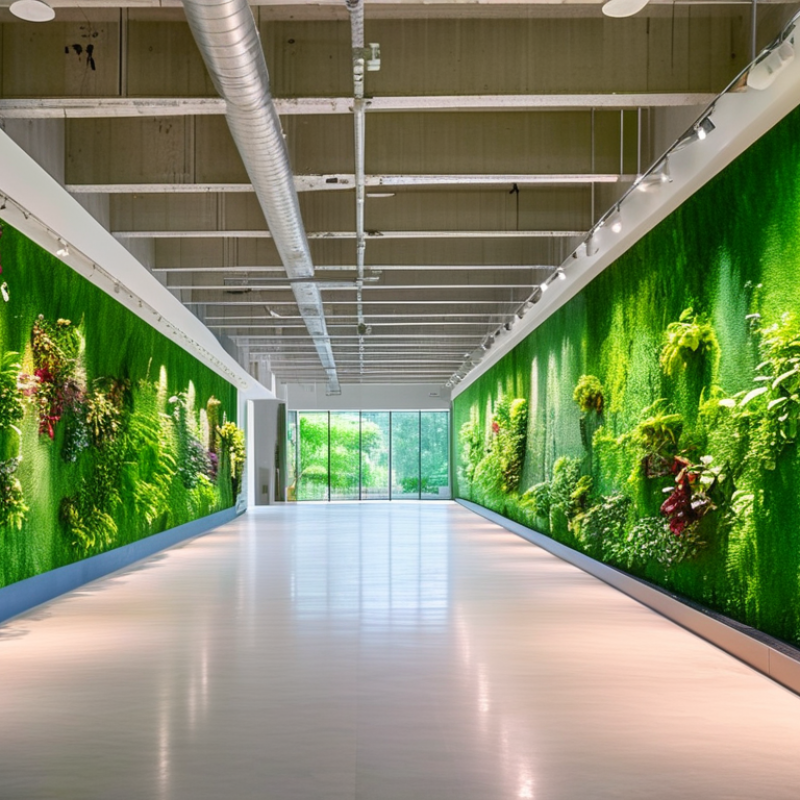
Artificial green walls bring a fresh aesthetic to interior spaces. They serve as striking focal points, enhancing the visual appeal of any room. These walls create a connection to nature, promoting tranquility and well-being. The vibrant colors and varied textures of plants can elevate mood and stimulate creativity.
Incorporating green walls isn't just about beauty. They improve air quality by filtering pollutants. This element of functionality is becoming crucial in modern design. Clean air contributes to a healthier living environment, which is often overlooked. It’s an important feature for spaces where people spend significant time.
Tips: For optimal results, choose plants that thrive in indoor conditions. Regular maintenance is key to sustaining their beauty. Consider the wall's location; natural light enhances their health and visibility. Reflect on your space's design to ensure that the green wall complements existing colors and materials. Balancing aesthetics and functionality can make a significant impact on the overall environment.
Top Benefits of Artificial Green Walls for Modern Interior Design
| Benefit |
Description |
Impact on Interior Spaces |
| Aesthetic Enhancement |
Artificial green walls add visual appeal and a touch of nature to interior spaces. |
Creates a refreshing atmosphere and enhances overall decor. |
| Improved Air Quality |
Green walls can help filter indoor air pollutants and increase oxygen levels. |
Contributes to a healthier indoor environment for occupants. |
| Noise Reduction |
The structure of green walls can absorb sound and reduce noise pollution. |
Creates a tranquil space conducive to focus and relaxation. |
| Biophilic Design |
Integrates nature into indoor spaces, promoting well-being. |
Enhances the connection between occupants and natural environments. |
| Space Optimization |
Use of vertical space allows for more greenery without compromising floor area. |
Maximizes available space for various design purposes. |
Impact of Artificial Green Walls on Indoor Air Quality and Health
Artificial green walls are becoming popular in modern interior design. They not only enhance aesthetics but also significantly improve indoor air quality. According to a study published by the Journal of Environmental Quality, indoor plants can reduce airborne pollutants by up to 50%. Artificial green walls can achieve this by simulating natural plants, which absorb harmful substances and release oxygen. This improvement in air quality can lead to better health outcomes, including reduced respiratory issues and improved focus.
Incorporating these walls can reduce stress levels. Research from the University of Queensland found that employees working in environments with greenery reported a 15% increase in overall well-being. Moreover, green walls can control temperature and humidity, creating a more comfortable indoor space. However, it's important to consider maintenance. While artificial options require less upkeep than live plants, they still need regular cleaning and care to maintain their appearance and effectiveness.
**Tip:** For optimal health benefits, aim for a mix of artificial and live greenery in your space. This variety can enhance not only air quality but also overall ambiance.
**Tip:** Regularly check the humidity levels around your artificial green wall. Maintaining the right balance can further enhance indoor air conditions.
Top Benefits of Artificial Green Walls for Modern Interior Design
The chart above illustrates the top benefits of artificial green walls in modern interior design, highlighting their significant positive impacts on indoor air quality, aesthetic appeal, noise reduction, humidity levels, and mental health. Each benefit is rated on a scale from 1 to 10, demonstrating their importance in contemporary spaces.
Thermal Regulation and Energy Efficiency: The Role of Green Walls
Artificial green walls offer numerous benefits in modern interior design, particularly in thermal regulation and energy efficiency. Studies show that green walls can reduce indoor temperature by up to 10 degrees Fahrenheit during summer months. This cooling effect arises due to the evapotranspiration process. Plants absorb sunlight and release moisture, creating a natural air conditioning effect for indoor spaces.
Moreover, incorporating green walls can lead to significant energy savings. According to research from the American Society of Heating, Refrigerating and Air-Conditioning Engineers (ASHRAE), buildings with extensive greenery require up to 30% less energy for heating and cooling. Efficient energy usage not only lowers utility bills but also minimizes the building’s carbon footprint. This approach supports sustainable practices within modern architecture while enhancing occupants' comfort.
However, it's essential to consider installation and maintenance challenges. Green walls require regular upkeep, including watering, pruning, and nutrient management. The initial investment may also deter some property owners. Therefore, assessing the practicality of green walls is important. Nonetheless, the long-term benefits they provide can justify these hurdles. Balancing aesthetics, functionality, and sustainability will require thoughtful planning and execution.
Maintenance and Longevity: Practical Advantages of Artificial Green Walls
Artificial green walls are gaining popularity in interior design, thanks to their low maintenance and impressive longevity. These installations can breathe life into any space, creating a refreshing environment without the need for constant upkeep. Unlike natural plants, which often require complicated watering schedules and sunlight, artificial green walls need minimal care. A quick dusting and occasional wipe-down keep them looking pristine.
Moreover, their durability is a significant advantage. These walls are made from high-quality materials that can withstand various environmental conditions. They do not wilt, fade, or rot like real plants. This reliability ensures that your interior design remains vibrant and inviting over time. However, some might find the initial investment daunting. It's essential to weigh the long-term benefits against the upfront costs.
Choosing artificial green walls also means you are free from the limitations of natural plants. You can select any design you like, irrespective of light conditions. Yet, this freedom may lead to creative choices that lack authenticity. Balancing aesthetics with a touch of nature is crucial for a harmonious space. While artificial options are fantastic, reflecting on their role versus natural elements can lead to deeper insights in design philosophy.
Versatility in Design: Integrating Green Walls into Various Interior Styles
Integrating artificial green walls into interior design opens a world of possibilities. This versatility allows designers to adapt green walls to various styles, from minimalist to industrial. A report by the International Journal of Environmental Research highlighted that indoor plants can improve air quality by up to 60%. This data underscores the practicality of using green walls in urban settings where natural elements are scarce.
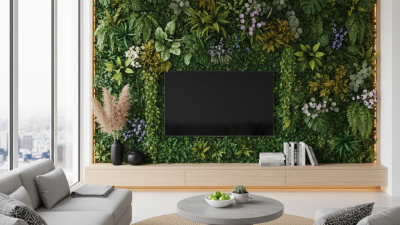
Artificial green walls can also serve as focal points in any interior space. They can be customized to fit wall shapes and sizes, ensuring seamless integration. For instance, a vibrant green wall can energize an otherwise dull office. Alternatively, a subtle design can enhance the calming atmosphere of a yoga studio. Detail-oriented designs invite interaction, making spaces feel more alive and inviting.
However, implementing artificial green walls isn’t without challenges. Maintenance and aesthetic cohesion must be evaluated. Colors and textures must match the chosen interior style. Some designs may clash if not planned carefully. While versatility is a key benefit, finding the right fit is crucial for achieving the desired impact. Balancing practicality with aesthetics can lead to more thoughtful design.