Exploring the Benefits of Artificial Green Walls in China Top Designs?
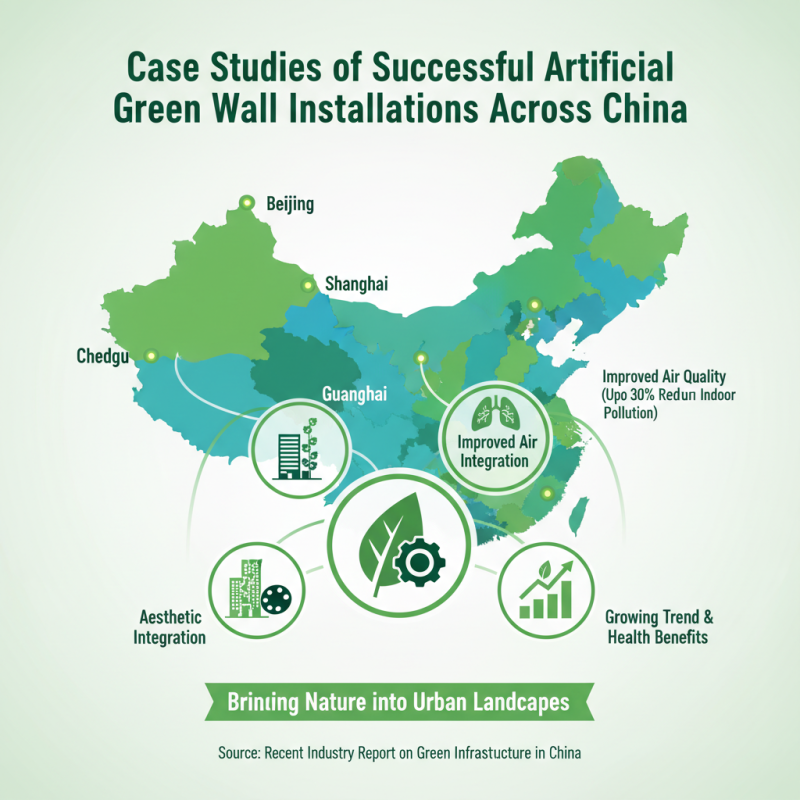
In recent years, Artificial Green Walls have emerged as a transformative trend in urban design across China. These installations not only enhance aesthetic appeal but also provide significant environmental benefits. Dr. Liu Wei, an expert in sustainable architecture, emphasizes, "Artificial Green Walls can improve air quality while adding value to urban spaces." This statement underscores the potential of green architecture to address pressing urban challenges.
China's rapid urbanization has led to increased pollution and reduced green spaces. As architects and city planners seek effective solutions, Artificial Green Walls offer a promising option. They are not just decorative; they act as natural air filters. However, the installation process can be complex and requires careful planning. Success depends on selecting the right plants and maintaining optimal conditions.
While Artificial Green Walls show great promise, challenges remain. For instance, maintenance can be resource-intensive. Cities must evaluate the long-term feasibility of their investment. As professionals explore top designs in this field, it is vital to acknowledge both the benefits and the potential pitfalls of such innovative solutions.
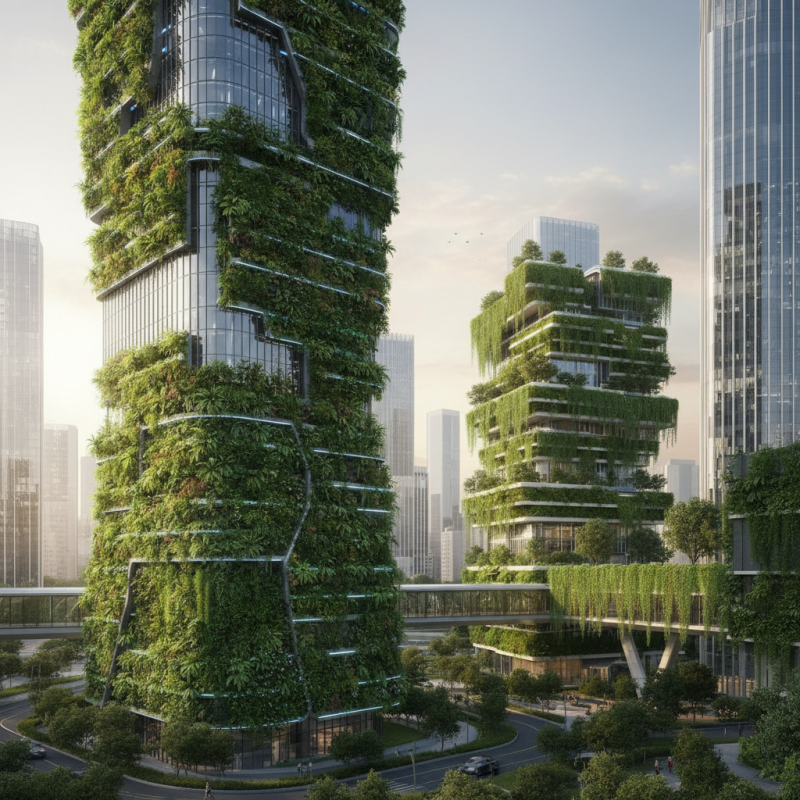
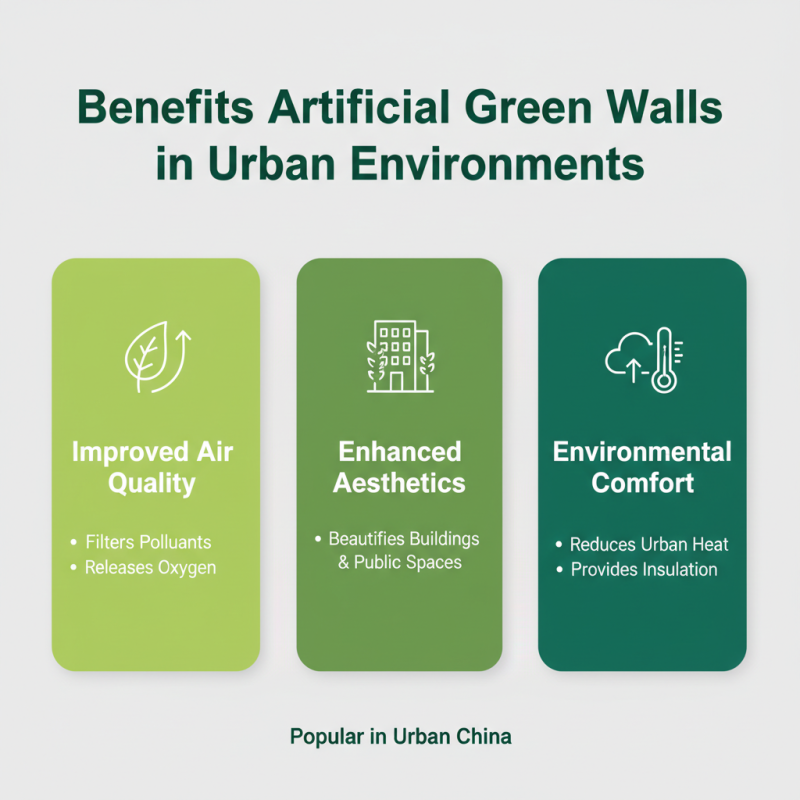
Benefits of Artificial Green Walls in Urban Environments
Artificial green walls are becoming popular in urban areas of China. These structures not only enhance the aesthetic value of buildings but also offer various environmental benefits. One significant advantage is the improved air quality. Plants naturally filter pollutants, absorbing toxins and releasing oxygen. This process creates a healthier environment for urban dwellers.
In addition to air purification, artificial green walls contribute to temperature regulation. They create insulation, reducing the need for heating and cooling. This feature is particularly beneficial in densely populated cities, where energy consumption is high. Moreover, these green installations help mitigate urban heat islands, which can lead to extreme temperature swings.
However, some challenges arise with the installation and maintenance of artificial green walls. They require regular care and investment. Not all designs are equally effective, and careful planning is essential to maximize their benefits. Urban planners must consider local climate conditions and plant species compatibility. Therefore, while artificial green walls offer compelling advantages, their implementation needs thoughtful reflection.
Top Design Trends of Artificial Green Walls in China
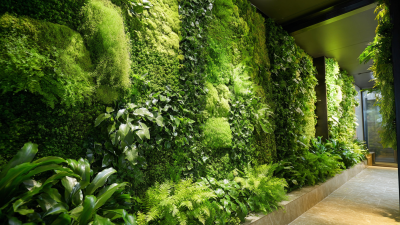
Artificial green walls are gaining popularity in China. These installations create stunning vertical gardens that transform urban spaces. Designers are increasingly focusing on incorporating native plant species, which supports local biodiversity. This trend not only enhances visual appeal but also promotes ecological balance.
Another emerging trend is the use of smart technology in green wall design. Sensors monitor plant health and moisture levels, ensuring optimal growth. This innovation makes maintenance easier and more efficient. However, the reliance on technology raises questions about sustainability. Balancing these high-tech solutions with nature's own systems can be challenging.
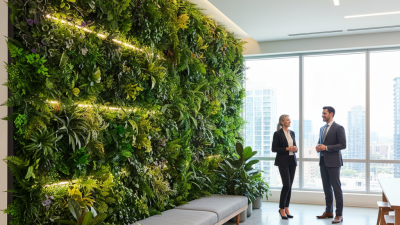
Moreover, customization is key. Many prefer personalized designs that reflect their style. Incorporating elements like LED lights can enhance aesthetics at night. But these additions might seem excessive to some. Finding the right balance between beauty and practicality remains an ongoing discussion among designers and clients.
Benefits of Artificial Green Walls in China
Key Materials Used in Constructing Artificial Green Walls
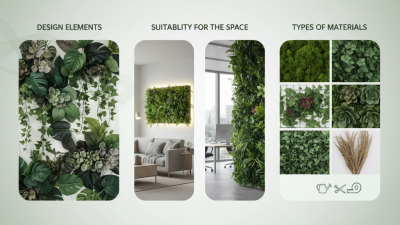
Artificial green walls are gaining popularity in China, thanks to their aesthetic appeal and environmental benefits. The materials used in constructing these walls significantly impact their effectiveness. Commonly used materials include modular planting systems, lightweight soil substrates, and various types of waterproof membranes. These materials help support plant growth while ensuring durability and moisture retention.
Research indicates that artificial green walls can improve air quality by filtering pollutants. A study by the International Journal of Environmental Research and Public Health notes that plants in urban settings can reduce particulate matter by up to 30%. However, selecting the right plant species for these walls is crucial. Native plants often thrive better, requiring less maintenance and water. This is an important consideration for long-term sustainability.
Tips: Consider using drought-resistant plants to minimize water usage. Regular maintenance is essential to ensure plant health. Monitor growth patterns and adjust planting material accordingly. Embrace the natural imperfections of your green wall as they contribute to its unique character. Reflect on what plants work best in your specific environmental conditions.
Exploring the Benefits of Artificial Green Walls in China Top Designs - Key Materials Used in Constructing Artificial Green Walls
| Material |
Benefits |
Applications |
Maintenance |
| Synthetic Fabric |
Lightweight, durable, and resistant to fading |
Indoor and outdoor installations |
Low maintenance, periodic cleaning |
| Plastic Base Panels |
Weather-resistant and easy to assemble |
Commercial buildings, hotels |
Occasional power washing required |
| Foam Inserts |
Excellent insulation properties |
Residential and office spaces |
Replacements needed every few years |
| Natural Moss |
Eco-friendly, contributes to air quality |
Wellness centers, spas |
Regular misting to maintain humidity |
| LED Lighting Systems |
Enhances aesthetics, energy-efficient |
Retail and exhibitions |
Check connections and replace bulbs as needed |
Maintenance Practices for Long-lasting Artificial Green Walls
Artificial green walls are gaining popularity in China for their aesthetic and environmental benefits. However, maintenance is crucial for ensuring their longevity. Regular upkeep not only preserves their appearance but also enhances the functional attributes. Ensuring that the wall receives adequate sunlight and moisture is vital. Periodically checking for dust and debris can prevent growth issues.
Watering methods play a key role in maintenance. Drip irrigation systems can help manage water efficiently. It’s essential to adjust watering frequency based on seasonal changes. Sometimes, over-watering can cause root rot, leading to plant decay. Monitoring humidity levels also contributes to plant health. Ensure that all plants are healthy and replacing any that appear damaged is necessary for overall vitality.
Cleaning the panels is another important practice. Using gentle solutions can help avoid damage to the artificial materials. It’s advisable to inspect the wall regularly for signs of wear and tear. Not all designs are made equal; some may require more frequent attention than others. Understanding the specific needs of each green wall is crucial for sustainable maintenance practices. These steps, while simple, can pose challenges if not addressed promptly.