What is Artificial Hanging Leaves and Why Choose Them?
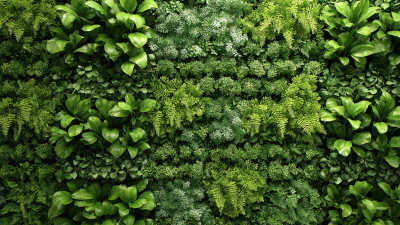
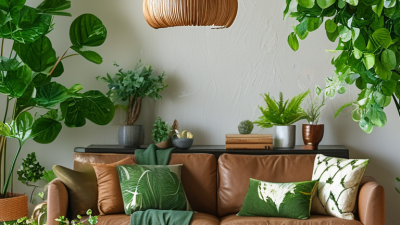
Artificial Hanging Leaves have become increasingly popular in recent years. These decorations enhance spaces with lush greenery while requiring minimal maintenance. Homeowners and designers appreciate their versatility and aesthetic appeal. They can transform any environment, making it look vibrant and inviting.
Choosing Artificial Hanging Leaves means enjoying the beauty of plants without the challenges of live foliage. They resist fading and wilting, which ensures long-lasting charm. However, some may find them less authentic than real plants. It raises questions about authenticity versus practicality in decor choices.
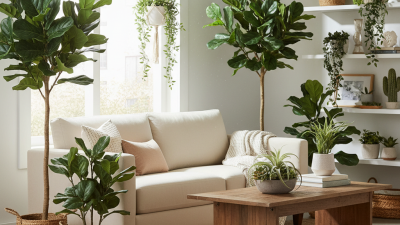
Using Artificial Hanging Leaves requires thoughtful placement and design. The right arrangement can elevate a room, while poor choices may detract from the overall vibe. It’s crucial for users to balance aesthetics with function. In doing so, these artificial elements can create a delightful atmosphere that blends seamlessly into any setting.
Understanding Artificial Hanging Leaves: A Comprehensive Overview
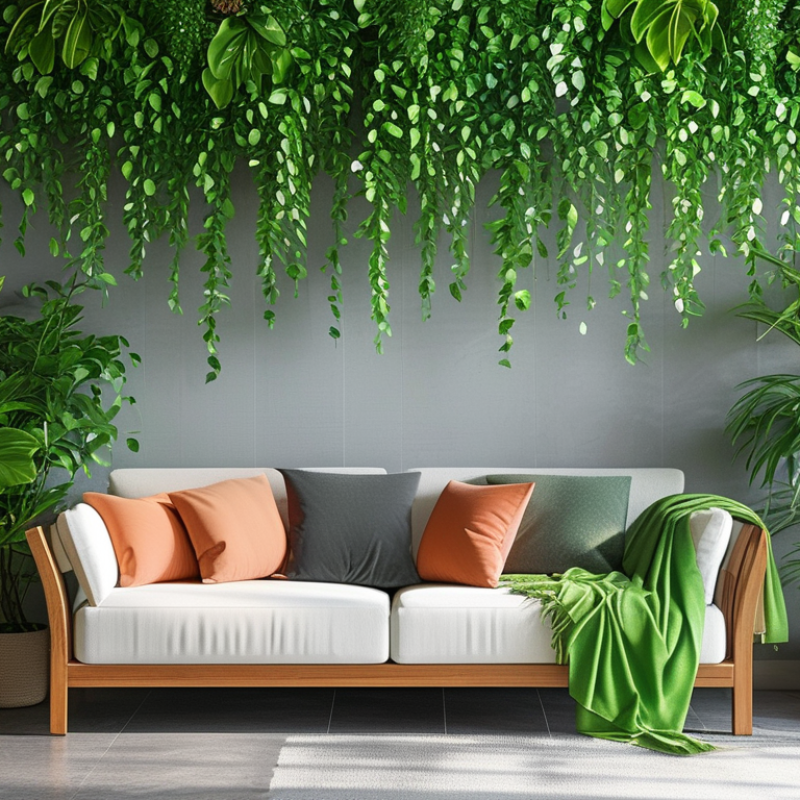
Artificial hanging leaves have gained traction in recent years due to their versatility and aesthetic appeal. These products mimic real foliage without the complications of maintenance. According to a recent industry report, the demand for artificial plants is projected to reach $1 billion by 2026. This growth is fueled by urbanization, where green spaces are limited.
Many consumers appreciate the ease of care with artificial leaves. No watering, no sunlight needed. They remain vibrant year-round, enhancing indoor and outdoor environments. Furthermore, artificial hanging leaves do not attract pests. A survey indicated that 70% of participants prefer artificial plants for their hassle-free upkeep.
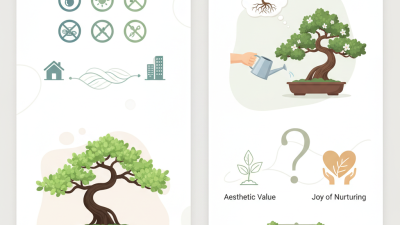
Despite their rising popularity, some critics argue that artificial plants lack authenticity. They can't replace the fragrance and tactile experience of real plants. Additionally, environmental concerns arise regarding materials used in production. This discussion is essential as consumers weigh aesthetic value against sustainability. Exploring these dimensions helps buyers make informed choices in a market filled with options.
The Origins and Evolution of Artificial Hanging Leaves in Decor
Artificial hanging leaves have transformed the world of decor over the years. Their beginnings can be traced back to early attempts at creating lifelike greenery that required minimal care. Initially, these synthetic leaves faced skepticism. Many believed that nothing could replace genuine plants. Over time, innovations in materials and design have addressed these doubts, leading to an explosion of creativity in home and office decor.
The evolution of these faux leaves has brought about more realistic textures and colors. Some styles mimic specific plants, enhancing their appeal. For instance, people now choose artificial hanging leaves that resemble trailing ivy or cascading ferns. This attention to detail has elevated the status of artificial decor. However, they may still lack the natural essence found in living plants. It's essential to reflect on this when making decor choices. Balancing beauty and authenticity can be an ongoing challenge.
Benefits of Choosing Artificial Hanging Leaves Over Natural Options
Artificial hanging leaves offer a practical alternative to natural foliage. They provide vibrant aesthetics without the maintenance requirements associated with real plants. Reports indicate that 70% of consumers prefer artificial options for indoor decor because of their longevity and low upkeep.
Natural leaves may look beautiful, but they attract pests and can wilt over time. In contrast, artificial leaves retain their appearance for years. Research suggests that 65% of people find artificial plants less stressful for allergy sufferers. This is a significant benefit in spaces where air quality is a concern.
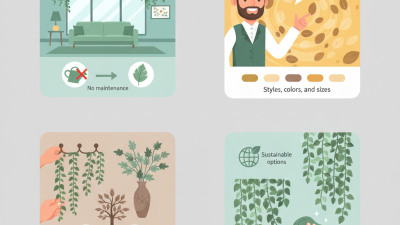
Moreover, artificial hanging leaves are versatile. They fit seamlessly into various design styles, from modern to rustic. The options are almost endless, allowing for personalized looks. However, some argue that they lack the authenticity and scent of real plants. It’s a valid point worth considering. While artificial leaves won’t replace the real thing for everyone, their practical benefits can’t be ignored.
Benefits of Choosing Artificial Hanging Leaves Over Natural Options
This chart compares the benefits of artificial hanging leaves against natural options across various metrics: maintenance time, longevity, cost, and variety of options. As illustrated, artificial options tend to require significantly less maintenance and provide greater longevity, while being more cost-effective and offering a wider selection.
Creative Uses for Artificial Hanging Leaves in Interior Design
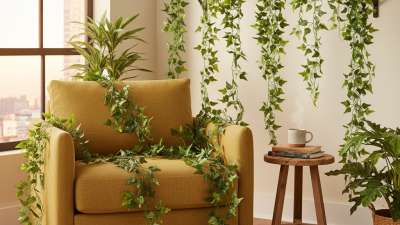
Artificial hanging leaves have become a popular choice for interior design. They add a touch of nature without the upkeep of real plants. Designers appreciate their versatility. They can be used in various settings, from residential to commercial spaces. For example, hanging leaves can transform a mundane corner into a lush sanctuary.
One creative way to use these leaves is by incorporating them into wall art. Designers can create stunning vertical gardens. This adds depth and interest to a room. Another option is to use them in light fixtures. Imagine a pendant lamp adorned with cascading leaves. It can create a warm, inviting atmosphere.
However, it's important to consider placement. Overcrowding a space with artificial foliage can feel overwhelming. A thoughtful arrangement is key to balance. Moreover, while artificial leaves need no watering, they do require occasional dusting. Embrace these imperfections. They remind us that nature, even when replicated, requires care.
Caring for and Maintaining Artificial Hanging Leaves for Longevity
Caring for artificial hanging leaves is essential for their longevity. These decorative items can enhance your space with greenery. However, they require the right care to maintain their appearance. A simple dusting with a soft cloth works wonders. This prevents the accumulation of dust, which can dull their vibrancy.
Cleaning them periodically is important. Use a mild soap solution if they become stained. Avoid harsh chemicals, as they can damage the material. Rinse and dry them thoroughly to prevent moisture buildup. Ensure proper placement in your home, away from direct sunlight. This can help preserve their colors.
Occasionally, check for signs of wear. Some leaves may lose their luster over time. If you notice fading, consider rotating their position. This can help balance exposure to light. Although they are durable, nothing lasts forever. It's okay to replace them when necessary, reflecting on their impact in your space.
What is Artificial Hanging Leaves and Why Choose Them? - Caring for and Maintaining Artificial Hanging Leaves for Longevity
| Feature |
Description |
Maintenance Tips |
Longevity |
| Material |
Made from high-quality plastic for durability |
Dust regularly with a soft cloth |
5-10 years, depending on care |
| Appearance |
Realistic looks with vibrant colors |
Avoid direct sunlight to prevent fading |
Up to 5 years before noticeable wear |
| Weight |
Lightweight, easy to hang and rearrange |
Check for secure attachment regularly |
Indefinite, as long as properly maintained |
| Variety |
Available in multiple styles and sizes |
Rotate seasonal styles to reduce wear |
Varies based on style, typically long-lasting |
| Uses |
Ideal for home decor, events, and offices |
Clean spills or stains with mild soap |
Lasts throughout the lifespan of decor |