Top 10 Artificial Plant Decor Ideas for Global Buyers?
The rise of Artificial Plant Decor has transformed interior design trends, catering to consumers yearning for low-maintenance aesthetics. According to a recent report by Allied Market Research, the global artificial plant market is projected to reach $2.5 billion by 2027, highlighting the growing appeal of these timeless pieces. As people seek innovative ways to enhance their spaces, artificial plants offer versatility and style without compromising quality.
Artificial Plant Decor resonates with both homeowners and businesses, thanks to its long-lasting charm. Studies indicate that around 45% of consumers prefer artificial plants for their durability and ease of care. However, many products flood the market, making the selection overwhelming. Quality varies significantly, and not all artificial plants deliver the desired look. Buyers must discern between true quality and mere appearance.
When choosing Artificial Plant Decor, consider the surrounding environment and lighting. Not all designs suit every space, and some creations may require periodic reflection to ensure they remain relevant. Opting for unique textures and colors can spruce up any room. Researching trends and consumer preferences is crucial, as the market continues to evolve, offering exciting options for discerning buyers.
The Rise of Artificial Plant Decor in Home Design Trends
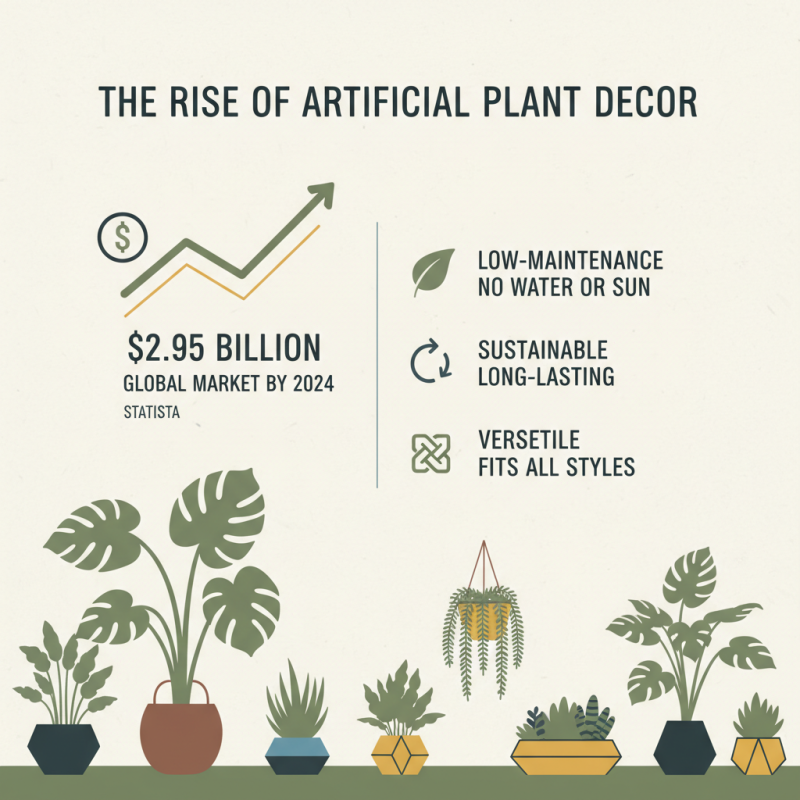
The rise of artificial plant decor is reshaping home design trends. A recent report by Statista stated that the global artificial plants market is projected to reach $2.95 billion by 2024. This growth reflects a shift in consumer preferences towards low-maintenance, sustainable decor options. Artificial plants provide a touch of nature without the need for watering or sunlight, making them an appealing choice for busy homeowners. They can fit seamlessly into various design styles, from modern to rustic, enhancing the overall aesthetic.
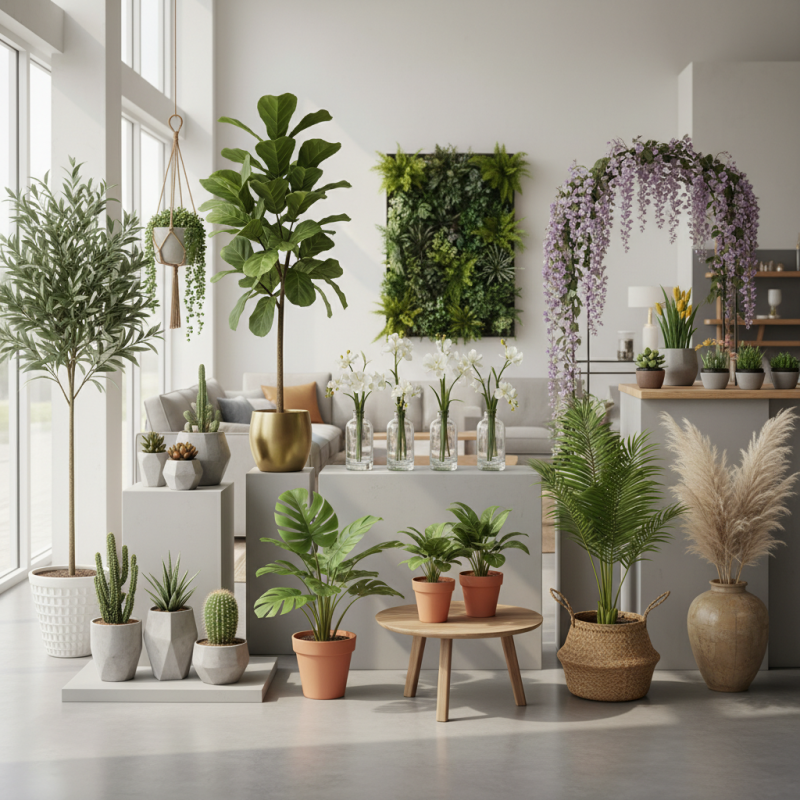
Adding artificial plants to your living space offers versatile decor options. For example, choosing a tall faux fiddle leaf fig can create a statement in a corner. Smaller plants, like succulents, can add charm to a shelf or desk. However, not all artificial plants are created equal. Some might look overly plastic and detract from the intended vibe. It’s essential to invest in high-quality options that closely mimic the real thing.
Tips: Mix different textures and heights to create a balanced look. Avoid placing artificial plants in direct sunlight, as this can fade their colors. Remember to occasionally clean your decor to maintain its appeal. Embracing this trend can elevate your design while inviting natural beauty into your home.
Market Statistics: The Growing Demand for Artificial Plants Worldwide
The growing demand for artificial plants is reshaping the decor market globally. Many buyers are turning to these products due to their low maintenance and long-lasting appeal. Market studies suggest a steady increase in preferences, especially in urban areas. This shift reflects a desire for greener environments without the commitment of real plants.
Artificial plants offer versatility in decor. They come in various styles, shapes, and sizes, fitting into diverse settings. Buyers can decorate homes, offices, and commercial spaces easily. These plants often replicate real flora closely, providing aesthetic benefits without the drawbacks. Yet, not all products are created equal. Some may look realistic at first glance but fail to deliver in quality.
Sustainability is another factor to consider. While artificial plants don’t require water or sunlight, their production often involves materials that are not environmentally friendly. Buyers should reflect on their choices. It's crucial to seek suppliers committed to sustainable practices. By being mindful, consumers can enjoy beautiful decor while considering the planet’s health.
Top Materials Used in High-Quality Artificial Plant Manufacturing
The demand for high-quality artificial plants is surging globally. This trend is fueled by advancements in manufacturing methods and materials. Essential materials include high-density polyethylene (HDPE) and polyester fabrics. These materials replicate the look and feel of real foliage effectively. According to a recent market analysis, the artificial plant industry is expected to grow at a CAGR of 12% over the next five years.
Tips: Opt for plants crafted from UV-resistant materials for outdoor decor. This ensures longevity and minimizes color fading.
Silk and latex are also popular choices. Silk provides a realistic texture, while latex offers flexibility for detailed designs. However, not all manufacturers prioritize quality. It's crucial to assess each product's craftsmanship before a purchase.
Tips: Check for customer reviews to gauge quality and authenticity. A well-constructed artificial plant can last for years. While realistic designs are a goal, sometimes they do not completely mimic natural imperfections. This aspect can be a point of reflection for buyers.
The Aesthetic Benefits of Artificial Plants in Interior Spaces
Artificial plants have become a favored choice for many interior designers. Their aesthetic benefits are clear. According to a recent report from the American Society of Interior Designers, around 65% of designers prefer using artificial plants in residential and commercial spaces. This preference is largely due to their low maintenance and enduring beauty.
In spaces lacking natural light, artificial plants can provide needed green accents. They can transform a dull office into a tranquil haven. Studies show that greenery, even artificial, can improve mood and productivity by 15%. The presence of plants can reduce stress and increase creativity, making them a worthwhile investment.
However, not all artificial plants are created equal. Some can look overly synthetic, which detracts from their intended benefit. Choosing high-quality options that mimic real plants is crucial. It requires mindfulness and attention to detail. For instance, selecting plants with various textures and colors can enhance realism. Lighting and placement also influence how effectively they blend into the environment. Embracing imperfection might lead to unconventional choices that surprise and delight.
Sustainability and Maintenance: The Advantages of Artificial Plant Decor
Artificial plant decor is gaining traction due to its sustainability benefits and low maintenance needs. According to a report by the National Gardening Association, 75% of consumers consider easy upkeep a priority when selecting home decor options. Artificial plants do not require water, sunlight, or fertilizer, making them an appealing choice for busy individuals or those living in low-light environments.
Moreover, the environmental impact of artificial plants has improved significantly. Research by the Sustainable Furnishings Council indicates that over 60% of artificial plants now utilize recyclable materials. This shift toward sustainability allows buyers to enhance their spaces while minimizing waste. In homes and offices, these plants contribute to a greener lifestyle without the need for regular care.
However, some drawbacks exist. Artificial plants may not equate to the air-purifying qualities of real ones. They also require proper cleaning to avoid dust buildup, which can undermine their aesthetic appeal. A balance between natural and artificial decor could lead to a more harmonious environment. As consumer awareness grows, exploring the advantages and disadvantages becomes crucial for making informed decisions.
Top 10 Artificial Plant Decor Ideas for Global Buyers