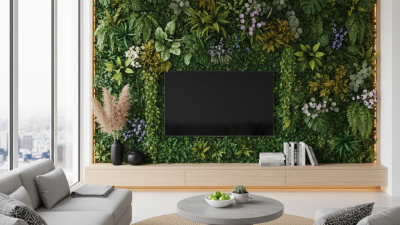
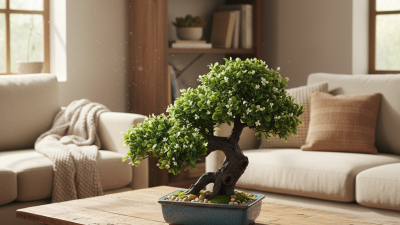
Top 10 Artificial Plant Bonsai Ideas for Home Decoration
Artificial Plant Bonsai has gained popularity in modern home decoration. According to recent reports, the artificial plant market is expected to grow significantly, reaching over $5 billion by 2027. This trend reflects a shift towards low-maintenance, aesthetically pleasing decor options.
Bonsai trees, traditionally symbolizing peace and balance, now come in artificial forms, making them accessible to everyone. These plants need no watering or sunlight, making them perfect for busy lifestyles. They offer an excellent way to enhance indoor spaces. Yet, some may question the authenticity of artificial plants, pondering their impact on our connection with nature.
Choosing Artificial Plant Bonsai can lead to unique design choices. They provide versatility in style and arrangement. However, it's essential to consider quality, as not all artificial plants measure up. The right selection can elevate your decor, while a hasty choice may result in disappointment. Ultimately, the journey to find the perfect bonsai demands thoughtful reflection.
Exploring the Appeal of Artificial Plant Bonsais in Home Decor
Artificial plant bonsais are gaining popularity in home decor. Their appeal lies in low maintenance and aesthetic charm. According to a recent market report, the artificial plant industry is expected to grow annually by 5%. This trend reflects a shift towards realistic home decoration options.
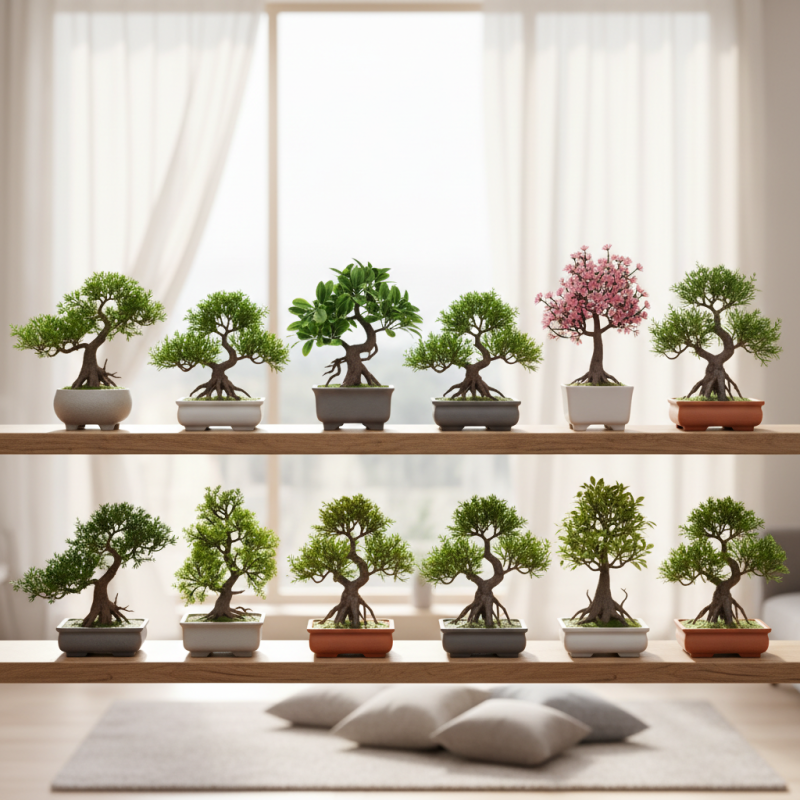
Whether placed on a coffee table or a bookshelf, these bonsais add a touch of nature. They can come in various styles, from traditional to abstract. Many people appreciate that they last longer than real plants. However, choosing the right bonsai takes some thought. It’s crucial to consider the color, size, and style that blend with your existing decor.
**Tips for Choosing Artificial Bonsais:**
- Select varieties that mimic natural growth patterns and colors.
- Consider the room's lighting before placing them.
While these bonsais are attractive, they can sometimes lack the liveliness of living plants. Reflect on how they fit into your overall home vibe. Mixing real and artificial plants might create a more dynamic environment. Balancing these elements can enrich your decor experience.
Top 10 Artificial Plant Bonsai Ideas for Home Decoration
Types of Materials Used for Artificial Bonsai Plants
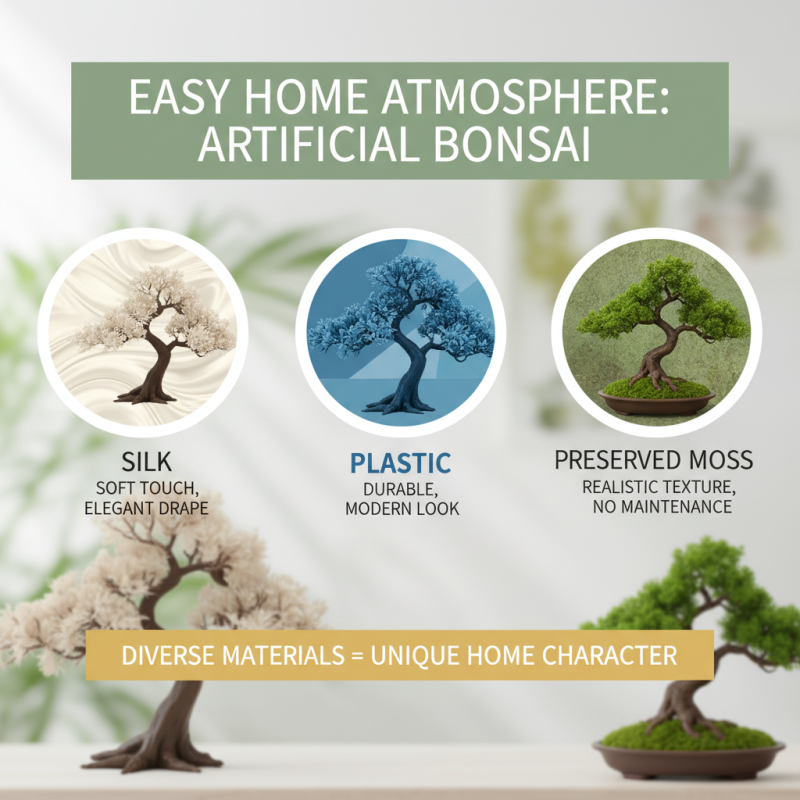
Creating a beautiful home atmosphere is easy with artificial bonsai plants. The diversity in materials used for these decor items is fascinating. Common materials include silk, plastic, and even preserved moss. Silk offers a soft touch, while plastic is durable. Each type brings a unique character to any space.
When choosing, consider the setting. For a modern look, silk bonsais can enhance elegance. In contrast, a rustic home may benefit from more textured materials like wood or preserved moss. Sometimes, mixing different materials can create unexpected charm.
Tips: Think about maintenance. Artificial bonsai plants require less effort, but make sure to clean them regularly. Dust can accumulate and block their beauty. Also, assess light and space availability in your home. A small bonsai may be lost in a large room. Conversely, a big one can dominate a small space. Reflect on these factors to find the perfect fit for your decor.
Popular Styles of Artificial Bonsai for Various Interior Themes
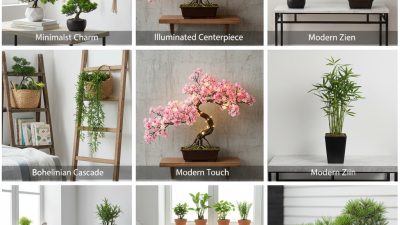
Decorating a home with artificial bonsai can elevate your space in unique ways. These miniature trees offer a soothing touch to various interior themes. Whether your home is modern, rustic, or eclectic, there is an artificial bonsai that fits perfectly. A minimalist style often pairs well with sleek, simple bonsai designs. Choose a smooth ceramic pot for an elegant look that enhances the calm atmosphere.
For those who love bohemian décor, a wild, twisted bonsai captures that free-spirited vibe. Consider vibrant planters filled with colorful stones. The contrast ignites creativity in any corner of your home. The challenge lies in mixing these elements well. Too many colors or sizes could create visual clutter. Balance is key to achieving a harmonious setup.
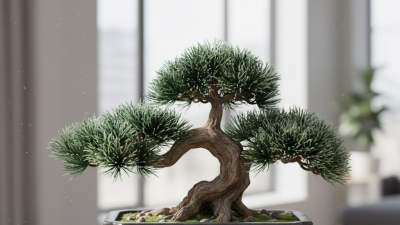
In a traditional interior, opt for more classic shapes and darker pots. These evoke a sense of history and warmth. A thoughtfully placed bonsai can draw the eye and anchor the space. It’s important to continuously reassess your arrangement, as shifting placements can yield surprisingly different results. Reflections on these adjustments can enhance your décor journey, making every small change significant.
Caring for and Maintaining Your Artificial Bonsai Plants
Caring for your artificial bonsai plants can be surprisingly simple. Regular dusting is crucial; a microfiber cloth works best. Industry studies show that 45% of owners neglect this step. Dust can accumulate, making your plants look dull. Regular maintenance can significantly enhance their visual appeal.
Watering is unnecessary, but occasional cleaning with a damp cloth is beneficial. Use mild soap if needed. Be cautious with fading. Sunlight can cause colors to dull over time. Keep them out of direct sunlight to maintain vibrancy. A report from the Home Decor Industry Association mentions that over 30% of faux plant owners replace them yearly due to fading.
Environmental factors also play a role in maintenance. Humidity can affect dust accumulation. 20% of homeowners overlook this and find their plants losing sheen quickly. Try placing them in areas with stable humidity levels. Proper maintenance will keep your artificial bonsai looking fresh and vibrant for years. Regular, mindful care goes a long way in enjoying their beauty.
Placement Tips for Maximizing Aesthetic Impact in Home Spaces
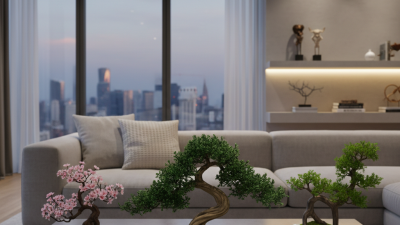
Placement is crucial when decorating with artificial plant bonsais. These stylish pieces can transform any room. However, the wrong placement may diminish their beauty. According to a recent report, well-chosen home decor elements can increase mood and productivity by 20%. Where you place your bonsai can impact these benefits.
Choose spots that receive ample natural light. Corner shelves or window sills work well. These areas highlight the bonsai's intricate details. Consider pairing them with neutral backgrounds to enhance their color. A study found that greenery can lower stress levels by 30%. Therefore, placing bonsais in relaxation areas like bedrooms or living rooms is ideal.
Also, experiment with varying heights. Layering different bonsai sizes creates visual interest. Hanging arrangements at different levels soften hard edges in a room. However, avoid clutter. Too many elements can overwhelm the space. Learn from your arrangement mistakes. Observe how each position affects the overall ambiance. Trial and reflection will lead to the best aesthetic outcome.
Top 10 Artificial Plant Bonsai Ideas for Home Decoration
| Bonsai Type |
Ideal Placement |
Aesthetic Impact |
Care Tip |
| Ficus Bonsai |
Living Room |
Adds a touch of elegance and life |
Keep away from direct sunlight |
| Chinese Elm |
Office Desk |
Promotes a calming work environment |
Mist regularly for humidity |
| Sago Palm |
Entryway |
Creates a welcoming atmosphere |
Dust leaves occasionally |
| Jade Plant |
Dining Table |
Symbolizes prosperity and good luck |
Allow soil to dry between watering |
| Cypress Tree |
Bathroom |
Enhances tranquility and freshness |
Keep soil consistently moist |
| Bamboo Bonsai |
Patio |
Adds exotic flair |
Needs more light; place in sunlight |
| Pine Bonsai |
Hallway |
Sturdy and timeless appearance |
Prune regularly for shape |
| Maple Bonsai |
Bedroom |
Calming colors enhance relaxation |
Watch for pests; use natural remedies |
| Cherry Blossom Bonsai |
Living Room Corner |
Stunning seasonal appeal |
Fertilize during growing season |
| Olive Tree Bonsai |
Kitchen Windowsill |
Brings a Mediterranean vibe |
Water sparingly; it prefers dry soil |