Top 10 Artificial Plant Bonsai to Buy at the 139th Canton Fair?
The 139th Canton Fair is approaching, and it promises an exciting showcase of products, including the popular Artificial Plant Bonsai. Held from April 15 to May 5, 2026, this trade event is a hub for buyers and suppliers. Attendees can expect innovative features, such as AI-powered search and navigation, to streamline their experience. Notably, these technological advancements help in locating suppliers with specific certifications, like ISO and CE.
Artificial Plant Bonsai is a trending item that combines aesthetics with low maintenance. With the rise of urban living, many individuals seek greenery that fits within compact spaces. These artificial bonsais can add a touch of nature without the hassle of watering or sunlight. However, one must carefully consider the quality and realism of the products. Not all artificial plants are created equal, and some may appear cheap or unrealistic.
As we prepare for this event, reflecting on the options available is crucial. Are the artificial bonsais truly enhancing our spaces? Or are they merely placeholders for authentic greenery? The selection at the Canton Fair will offer various choices, providing an opportunity for inspiration and evaluation.
Top Considerations When Choosing Artificial Plant Bonsai
When selecting artificial plant bonsai, several key factors play a critical role. Quality materials are essential. Many artificial plants use silk or plastic, each with unique benefits. For example, high-quality silk can mimic the look of real leaves. According to industry reports, about 60% of customers prefer plants that look realistic. However, some cheaper options tend to have a plastic shine that feels artificial.
Another consideration is size. Bonsai can vary widely, from small tabletop decorations to larger floor displays. Understanding your space will help you choose wisely. About 30% of consumers mistakenly select sizes that don't fit their environments. Additionally, the color should complement your interior design. Many buyers overlook this aspect, leading to mismatched aesthetics.
Lastly, maintenance can influence your decision. Artificial plants require less upkeep than real ones. However, dust can accumulate over time. Regular cleaning is necessary, even if it’s minimal. An industry study highlights that 40% of users forget about this upkeep, resulting in a less appealing display. Reflecting on these considerations can lead to better purchasing choices.
Top 10 Artificial Plant Bonsai to Buy at the 139th Canton Fair
| No. |
Plant Type |
Height (cm) |
Material |
Price (USD) |
Best Use |
| 1 |
Ficus Bonsai |
30 |
Plastic |
25.00 |
Home Decor |
| 2 |
Juniper Bonsai |
45 |
Silk |
32.50 |
Office Desk |
| 3 |
Herb Bonsai |
25 |
Fabric |
20.00 |
Kitchen Use |
| 4 |
Cherry Blossom Bonsai |
35 |
Plastic |
28.00 |
Home Decor |
| 5 |
Maple Bonsai |
50 |
Silk |
40.00 |
Living Room |
| 6 |
Pine Bonsai |
55 |
Plastic |
30.00 |
Garden |
| 7 |
Olive Bonsai |
40 |
Silk |
35.00 |
Dining Table |
| 8 |
Bamboo Bonsai |
60 |
Fabric |
22.00 |
Zen Garden |
| 9 |
Cypress Bonsai |
48 |
Plastic |
29.50 |
Outdoor Decor |
| 10 |
Azalea Bonsai |
30 |
Silk |
27.00 |
Flower Arrangement |
Benefits of Incorporating Artificial Bonsai in Home Decor
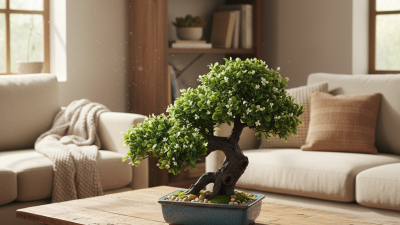
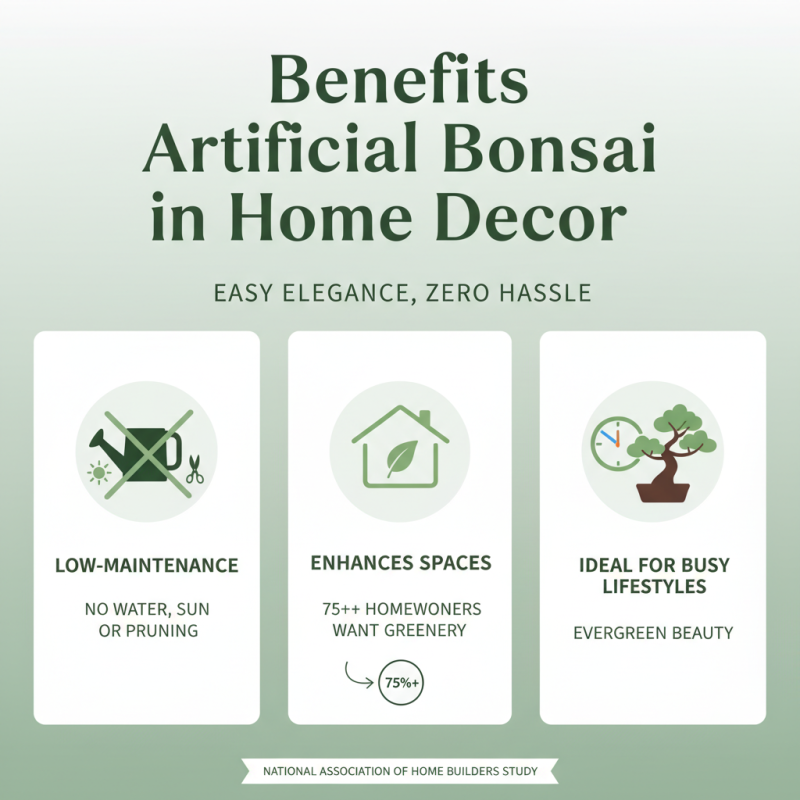
Incorporating artificial bonsai into home decor has gained popularity due to its numerous benefits. According to a study from the National Association of Home Builders, over 75% of homeowners seek greenery to enhance their living spaces. Artificial bonsai offers a low-maintenance option. Unlike real plants, there’s no need for watering, sunlight, or pruning. This makes them ideal for individuals with busy lifestyles.
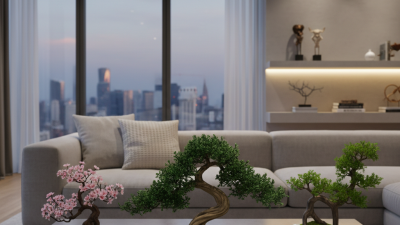
Visually, artificial bonsai can add a touch of elegance to any room. They come in various styles, mimicking different species of trees. Reports suggest that homes with greenery, even faux plants, can increase perceived value by up to 15%. This enhancement can create a calming atmosphere, contributing to mental well-being. Research from the Journal of Environmental Psychology indicates that even the sight of artificial plants can reduce stress levels.
However, not all artificial plants are created equal. Some may look overly synthetic, detracting from a room's aesthetic. Selecting high-quality pieces can be a challenge. It's important to examine the details like texture and color. Often, cheaper options do not provide the desired effect. As we embrace artificial bonsais, we must also reflect on our choices and their impact on our living spaces.
Features of the Best Artificial Plant Bonsai Available
When considering artificial plant bonsais, it's essential to focus on key features. The most sought-after options display lifelike textures. Reports indicate that realistic foliage can increase buyer interest by up to 56%. Colors should mimic natural plants. Subtle variations enhance the visual appeal. High-quality materials influence durability. Products made from UV-resistant plastics show better longevity, making them ideal for indoor and outdoor use.
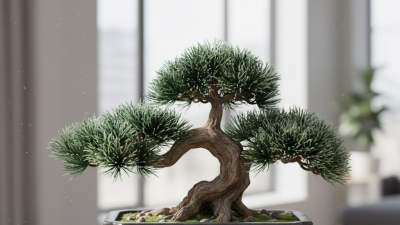
Size also matters. Popular bonsai options range from 12 to 36 inches. This variety caters to different spaces, from small apartments to spacious offices. What about shape? Unique designs can capture attention. Some bonsais replicate ancient tree forms, inspiring a sense of tranquility. However, not all products achieve the desired aesthetic. Some may look overly artificial, leading to disappointment.
Craftsmanship is crucial. Hand-painted details can elevate a bonsai's appearance significantly. Achieving the perfect balance is often challenging. Customers may struggle to find the ideal blend of beauty and authenticity. A 2022 market report highlighted that 47% of buyers prefer products with intricate detailing. This data underscores the importance of quality in today's market. Reflecting on these factors helps guide decisions at events like the Canton Fair.
Top 10 Artificial Plant Bonsai Features Comparison
Popular Types of Artificial Plant Bonsai at the Canton Fair
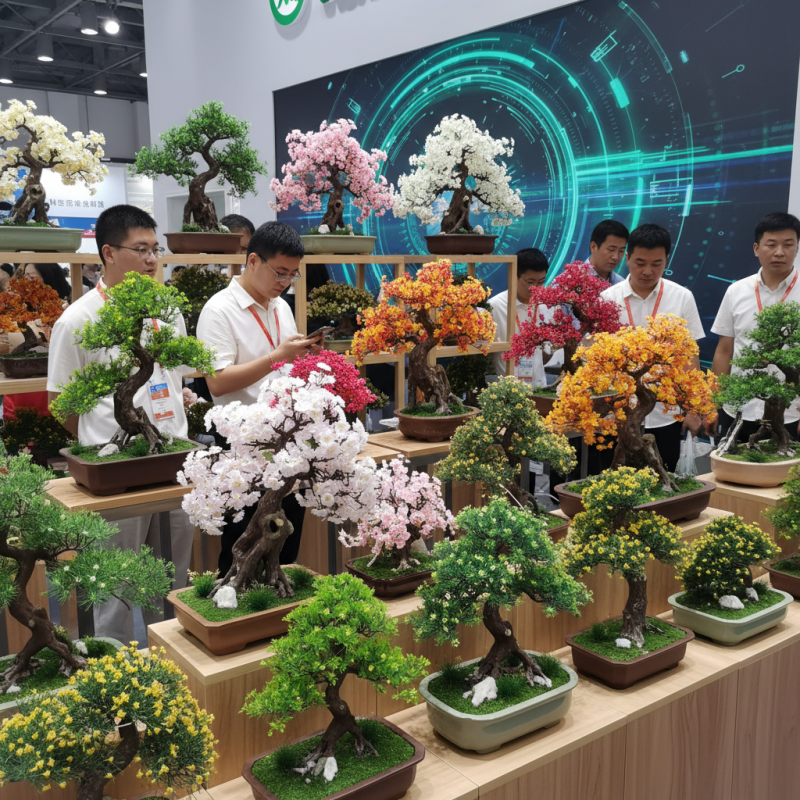
Artificial plant bonsai have gained immense popularity among decorators and plant enthusiasts alike. This trend has surged in recent years, with a market size of approximately $1 billion projected by 2025. A significant portion of this demand has emerged from events like the Canton Fair, where these unique pieces are showcased.
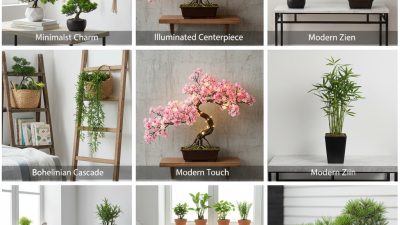
Among the popular types observed, succulent bonsai are particularly eye-catching. Their low maintenance and vibrant colors make them appealing to buyers. Ficus bonsai also attract attention with their intricate shapes and realistic foliage. Some buyers prefer bamboo-style bonsai, known for their elegance and ability to enhance office aesthetics.
However, not all artificial bonsai meet quality expectations. Some items lack detail and realistic textures, leading to disappointment. It's crucial for buyers to carefully inspect products during fairs to ensure satisfaction. While selection is extensive, personal taste varies widely. A thoughtful choice can significantly enhance your living space.