Top 10 Artificial Hanging Leaves Trends for Home Decor in 2023
In recent years, the home decor industry has witnessed a significant shift towards incorporating natural elements into indoor spaces, with a pronounced trend emerging for Artificial Hanging Leaves. According to a report by Allied Market Research, the global artificial plants and flowers market is projected to reach $3.8 billion by 2026, fueled by a growing preference for low-maintenance greenery that can enhance aesthetic appeal without the demands of real plants. As homeowners increasingly seek to create tranquil, nature-inspired environments, Artificial Hanging Leaves have become a fashionable and practical choice in interior design.
These versatile decorative pieces not only provide a touch of greenery but also contribute to improved air quality and a calming ambiance. A survey conducted by The International Society of Indoor Air Quality and Climate revealed that biophilic design elements, including artificial foliage, can significantly boost mood and productivity, making them a staple in home offices and living spaces alike. As we explore the top trends for Artificial Hanging Leaves in 2023, we will delve into innovative designs and applications that cater to diverse tastes and lifestyles, emphasizing how these decorative elements can transform any environment into a lush oasis.
Top 5 Sustainable Materials for Artificial Hanging Leaves in 2023
As 2023 continues to embrace eco-friendly trends, the demand for sustainable materials in home décor is on the rise, especially for artificial hanging leaves. Recent industry reports indicate that the sustainable home décor market is projected to grow by over 10% annually from now until 2027, signifying a robust shift towards environmentally friendly choices. Among the most favored materials are recycled plastics, which contribute to reducing waste while maintaining the aesthetic appeal of artificial foliage.
Another noteworthy material making waves this year is bioplastics derived from renewable sources like cornstarch or sugarcane. This innovative alternative not only mimics the look of natural leaves but also biodegrades more efficiently than conventional plastics. Furthermore, natural fibers such as jute and hemp are gaining popularity due to their low environmental impact and versatility in design. According to a survey by EcoFocus, 68% of consumers are more likely to purchase products made from sustainable materials, reflecting a significant consumer shift towards greener lifestyles.
Tip: When selecting artificial hanging leaves, look for labels indicating the use of sustainable materials and consider their lifecycle impact. Opting for products made from recycled or biodegradable components not only enhances your home’s aesthetic but also supports a healthier planet. Additionally, mixing different textures from these materials can create a more dynamic and visually appealing décor.
Innovative Design Trends: Blending Realism with Artistry in Home Decor
In 2023, the realm of home decor is experiencing a revolutionary shift as designers embrace innovative trends in artificial hanging leaves, merging realism with artistry. According to a recent report by the Home Decor Institute, the artificial plants market is projected to grow by 8.3% annually, driven by consumer demand for low-maintenance, aesthetically pleasing greenery that enhances indoor environments. This trend towards hyper-realistic artificial leaves allows homeowners to enjoy the beauty of nature without the challenges of upkeep, aligning perfectly with modern lifestyle preferences.
Key design trends focus on intricate detailing and lifelike textures that mimic real foliage, creating an immersive experience within living spaces. The 2023 Global Home Decor Trends Report highlights that 67% of consumers now prioritize greenery as an essential component of their interior design schemes. This shift is not merely about aesthetics; it speaks to a deeper desire to connect with nature in urban settings. As a result, designers are experimenting with diverse styles and arrangements—ranging from cascading vines to structured leaf displays—that enhance the ambiance of any room while promoting well-being and relaxation.
Top 10 Artificial Hanging Leaves Trends for Home Decor in 2023
| Trend |
Description |
Color Palette |
Material |
Usage Areas |
| Bohemian Vibes |
Combining various textures and greenery for a laid-back feel. |
Earthy Tones |
Silk and Polyester |
Living Rooms, Bedrooms |
| Minimalist Aesthetics |
Simple designs focusing on subtlety and elegance. |
White & Green |
Plastic and Fabric |
Hallways, Offices |
| Vintage Revival |
Retro designs that embrace classic styles and colors. |
Muted Vintage Colors |
Wood and Paper |
Dining Rooms, Kitchens |
| Tropical Escape |
Lush greens and vibrant hues for a refreshing vibe. |
Bright Greens and Yellows |
Vinyl and Latex |
Patios, Outdoor Spaces |
| Rustic Charm |
Using natural colors and elements reminiscent of the countryside. |
Brown and Green |
Bamboo and Jute |
Studios, Cozy Corners |
| Monochromatic Elegance |
Single-color themes creating a sophisticated look. |
Shades of One Color |
Silk |
Formal Spaces, Offices |
| Eclectic Mix |
Combining various styles and periods for uniqueness. |
Colorful Variety |
Mixed Materials |
Living Rooms, Lofts |
| Harvest Inspired |
Focusing on seasonal colors and textures. |
Warm Autumn Hues |
Natural Fibers |
Entryways, Kitchens |
| Sustainable Design |
Incorporating eco-friendly materials in decor. |
Natural Colors |
Recycled Materials |
All Areas |
The Rise of Biophilic Design: Enhancing Indoor Spaces with Faux Foliage
Biophilic design has gained immense popularity in recent years, as more homeowners seek to bring the beauty of nature indoors. This trend emphasizes creating spaces that promote comfort, well-being, and a connection with the natural world. One of the most effective ways to achieve this is through the use of artificial hanging leaves. These faux foliage pieces serve as an easy and maintenance-free solution to infuse greenery into interior spaces, allowing homeowners to enjoy the aesthetic benefits of plants without the upkeep.
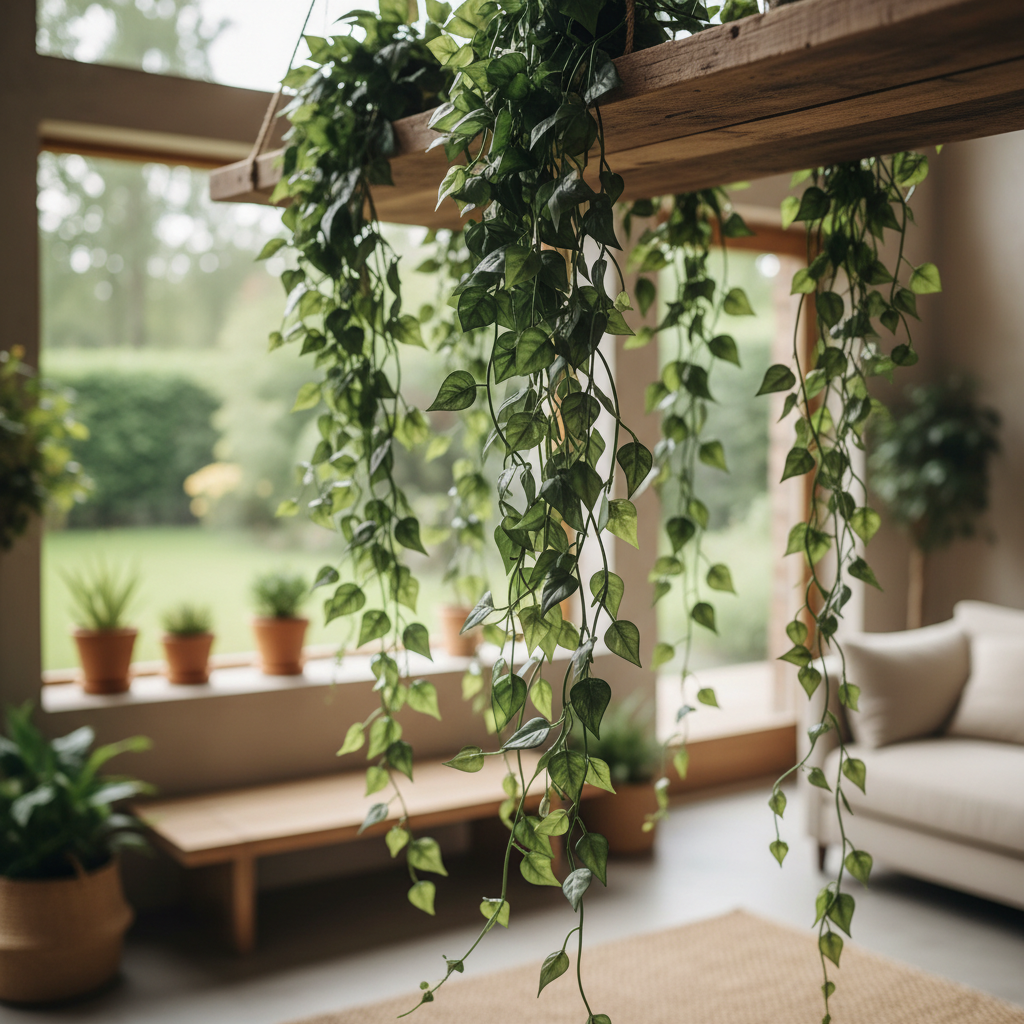
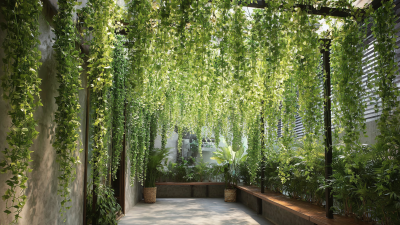
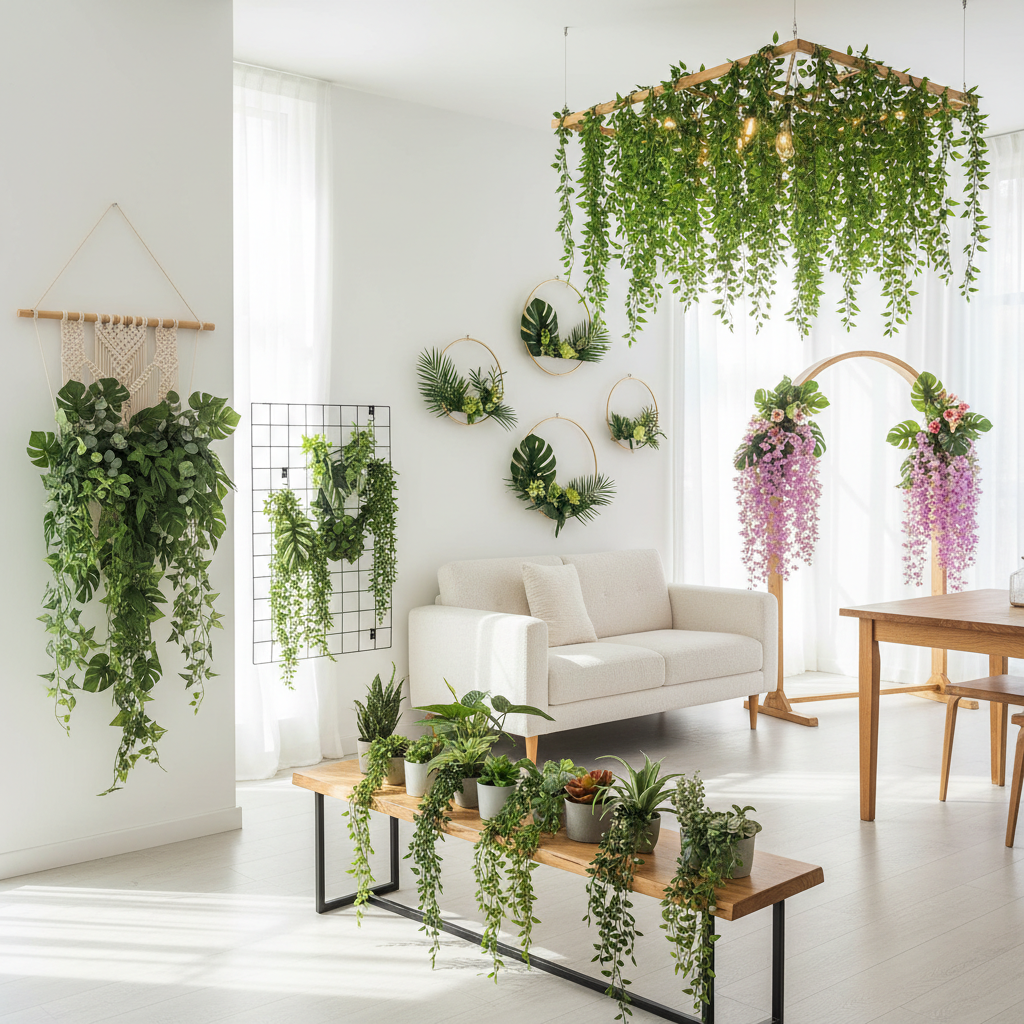
When incorporating artificial hanging leaves into your home decor, consider these tips: Choose a variety of colors and textures to create depth and interest. Mix different species, such as ferns, ivy, and eucalyptus, to mimic the look of a lush, natural environment. Additionally, strategically hang these pieces from various heights to create a cascading effect that draws the eye upward, enhancing the overall ambiance of the room.
Another key aspect of biophilic design is the use of natural materials alongside faux greenery. Pair your hanging leaves with wooden accents, stone features, or woven textiles to enrich the sensory experience and promote a tranquil atmosphere. Incorporating artificial plants into your decor not only beautifies your space but also fosters a sense of peace and connection to nature, making it an excellent choice for modern home design.
Top 10 Artificial Hanging Leaves Trends for Home Decor in 2023
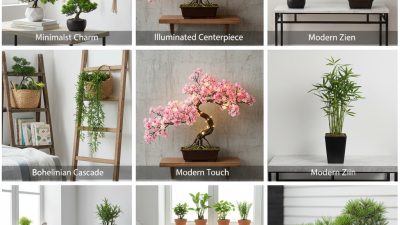
This chart represents the popularity trends of different types of artificial hanging leaves used in home decor for the year 2023, highlighting an increase in interest towards biophilic design.
Consumer Preferences: Key Demographics Driving Artificial Plant Popularity
The rising popularity of artificial hanging leaves in home decor can be attributed to several key demographics, particularly millennials and urban dwellers. According to a recent industry report by Grand View Research, the artificial plant market is projected to grow at a CAGR of 7.5% from 2021 to 2028, reflecting increasing consumer preferences for low-maintenance houseplants. This trend is largely driven by urban consumers who seek to bring the outdoors into their homes without the hassle of plant care, making artificial options more appealing.
When decorating with artificial hanging leaves, it's essential to consider the aesthetic preferences of your target demographic. For millennials, a minimalistic yet vibrant aesthetic resonates well, leading them to favor lush faux greenery that complements their contemporary living spaces. Moreover, with homes often limited in space, vertical gardening solutions like hanging leaves are increasingly favored, as they allow for stylish decoration without occupying valuable floor space.
Tip: To enhance the authenticity of artificial plants, consider mixing different leaf shapes and textures to create depth in your arrangement. Additionally, using a natural-looking planter can elevate the overall presentation of your decor. Remember, the key is to create a harmonious balance that aligns with your unique style while catering to the preferences of your audience.
Impact of E-commerce on the Market Growth for Artificial Home Decor Accessories
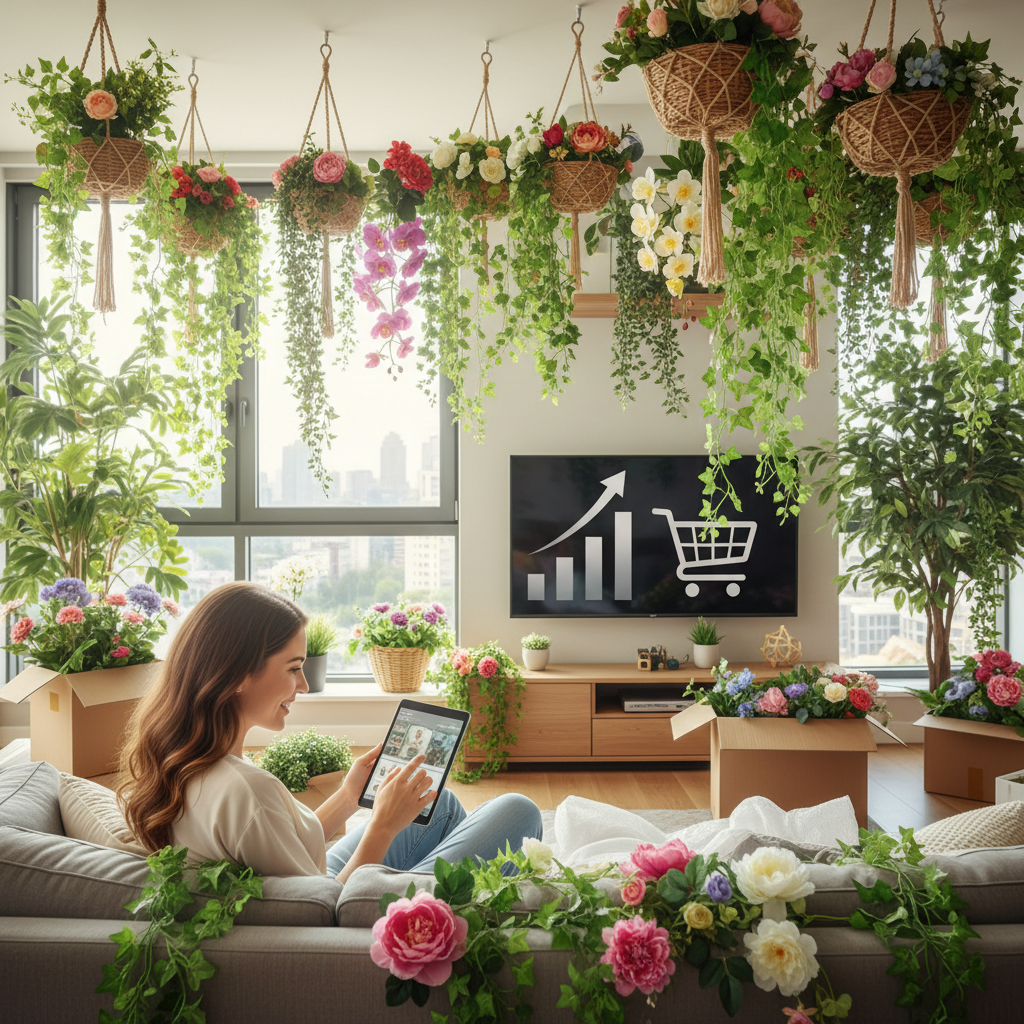
The impact of e-commerce on the market growth for artificial home decor accessories is significant, particularly in the realm of artificial hanging leaves and flowers. The global artificial flower market is projected to grow from an estimated value of $17 billion in 2024 to $25.6 billion by 2032, with a compound annual growth rate (CAGR) of 5.33%. This growth is closely tied to the increasing popularity of online shopping, which allows consumers to easily access a broader range of decor options from the comfort of their homes.
As e-commerce continues to evolve, retailers are leveraging digital platforms to enhance customer experiences, offering detailed product descriptions and high-quality images that mimic the in-store experience. Tips for consumers looking to purchase artificial hanging leaves online include checking customer reviews for quality assurance, considering the material used for a more natural look, and exploring various platforms to find competitive prices.
Furthermore, the convenience of online shopping has also fostered a trend towards personalization in home decor. With consumers eager to create unique spaces, many are turning to online retailers that offer customizable options. This shift highlights the importance of adaptability in the market, as brands must meet the growing demand for distinctive and personalized home accessories.