Top 10 Artificial Outdoor Trees for Stunning Landscape Design Ideas?
In recent years, the trend of using Artificial Outdoor Trees has surged in landscape design. A report from the National Landscape Association states that 40% of landscape architects now prefer artificial solutions for their projects. This shift highlights the growing appreciation for these lifelike trees that require minimal maintenance.
According to expert James Green, a renowned landscape designer, “Artificial Outdoor Trees provide beauty without the constant upkeep of natural plants.” His insight reflects a broader industry recognition of the aesthetic value and practical benefits of these installations.
Yet, while they offer reliable solutions, the absence of natural growth makes them less dynamic. Landscape designs with Artificial Outdoor Trees can sometimes lack the seasonal changes that live trees provide. It’s essential to balance artificial elements with living plants for a truly vibrant landscape.
Top 10 Artificial Outdoor Trees for Stunning Landscape Design Ideas
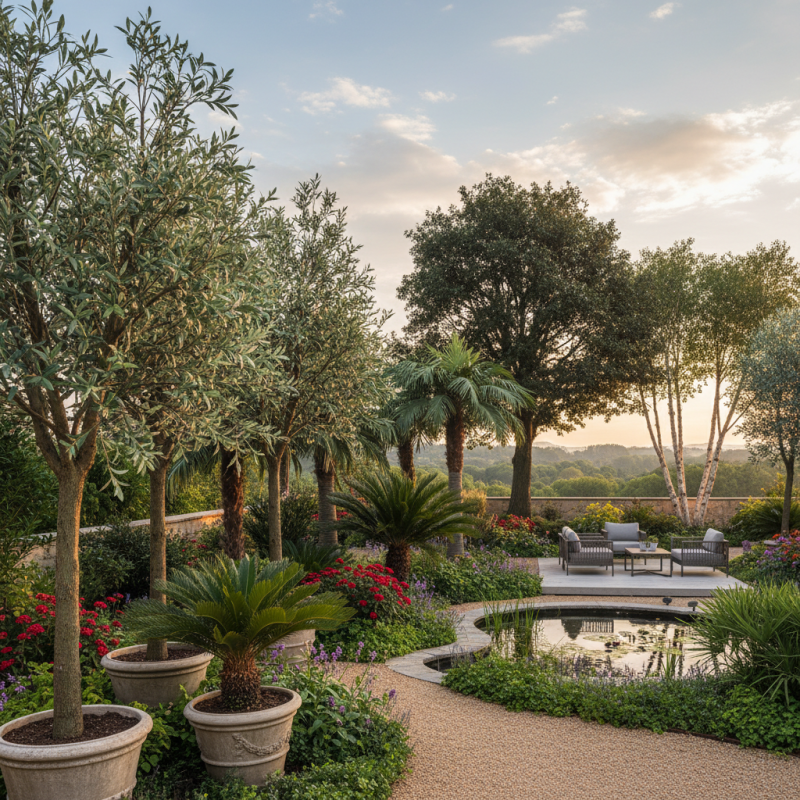
Incorporating artificial outdoor trees can dramatically enhance landscape design. These trees offer flexibility and creativity, allowing you to create stunning arrangements. Imagine a lush green garden filled with various heights and textures that mimic nature. The vibrant colors and intricate details of these trees create an inviting atmosphere in any outdoor space.
Think of placing tall palm trees beside a serene water feature. Or perhaps, a cluster of cherry blossom trees can be added for a splash of pink. These additions can elevate your patio or garden. Installing these trees requires thoughtful placement. They should complement existing elements. Sometimes, finding the right balance can be tricky.
Lighting is important too. Soft spotlights can highlight the trees at night, creating an enchanting effect. However, it's crucial to select the right angles. Too bright, and it feels artificial; too subtle, and it goes unnoticed. This fine-tuning process can be challenging. Each decision shapes the overall landscape, reflecting your vision and style.
Top 10 Artificial Outdoor Trees for Stunning Landscape Design Ideas
| Tree Name |
Height |
Material |
Color |
Best Use |
| Faux Olive Tree |
5 ft |
Polyethylene |
Green |
Patio Decor |
| Artificial Maple Tree |
4 ft |
Silk |
Red |
Garden Beds |
| Potted Palm Tree |
6 ft |
Plastic |
Green |
Indoor/Outdoor |
| Silk Cherry Blossom Tree |
4 ft |
Silk |
Pink |
Decoration |
| Artificial Juniper Tree |
5 ft |
PVC |
Green |
Landscape Borders |
| Luxury Cypress Tree |
7 ft |
Realistic Fiber |
Dark Green |
Entryway |
| Lavender Tree |
3.5 ft |
Plastic |
Purple |
Flower Arrangements |
| Faux Birch Tree |
6 ft |
Polyester |
White & Green |
Event Decor |
| Medium Pine Tree |
5 ft |
Plastic & PVC |
Green |
Seasonal Displays |
| Topiary Boxwood Tree |
4 ft |
Faux Plant |
Dark Green |
Garden Centerpieces |
Understanding the Benefits of Artificial Outdoor Trees in Landscape Design
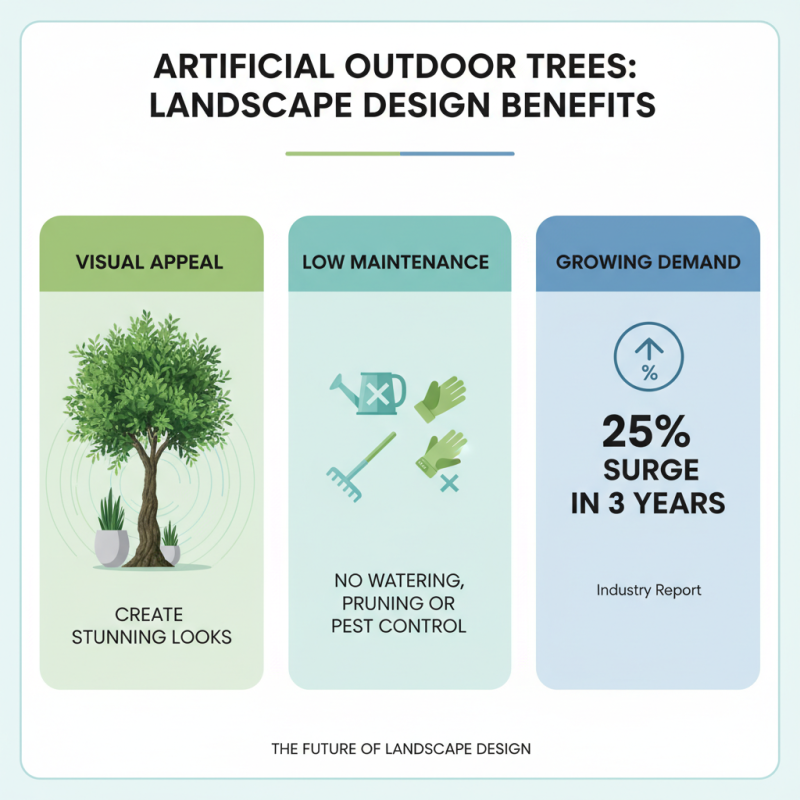
In landscape design, artificial outdoor trees offer unique benefits. They create stunning visual appeal. Unlike live trees, they require minimal maintenance. This makes them a popular choice among landscape designers. According to a recent industry report, the demand for artificial greenery has surged by 25% over the past three years.
Tips: When selecting artificial trees, consider the environment. UV-resistant materials ensure longevity. It's important to mimic natural variation. Not all artificial trees are alike; some look overly perfect. This can detract from overall design authenticity.
Furthermore, artificial trees provide year-round beauty. They are available in various shapes and sizes. This versatility allows for creative designs without seasonal limitations. However, there are challenges to consider. Not everyone appreciates the look of artificial versus natural trees. Balancing realism with practicality is crucial.
Factors to Consider When Choosing Artificial Trees for Outdoor Spaces
When selecting artificial trees for outdoor spaces, focus on the material. High-quality materials resist fading and weather damage. Look for UV-resistant options that can withstand sunlight without deteriorating. Some materials may feel cheap or look unnatural. Be sure to examine the texture and color. A realistic appearance enhances the landscape.
Consider the size and scale of your space. A large tree can make a bold statement, while smaller ones can complement other features. Measure carefully to ensure a good fit. Pay attention to the tree's design. Some styles may not suit your overall aesthetic. Research different shapes and foliage types. Choose a variety that harmonizes with your garden or patio.
Lastly, think about maintenance. Artificial trees typically require less care but can still accumulate dust. Occasionally cleaning them should be part of your routine. Evaluate how the trees will match seasonal changes. A tree that looks great in summer may not work in winter. This balance is critical for a cohesive outdoor design.
Popular Materials Used in the Production of Artificial Outdoor Trees
Artificial outdoor trees are becoming popular in landscape design. Various materials contribute to their appeal and durability. A recent industry report indicates that 45% of landscape designers prefer high-quality polyethylene for crafting artificial trees. This material offers UV protection and resilience against harsh weather. It maintains its vibrant color and shape for years.
Another commonly used material is silk. It's lightweight and allows for intricate designs. However, silk lacks the durability of polyethylene. A survey revealed 30% of designers prioritize aesthetics over longevity when using silk trees. This choice can result in a stunning visual, yet they may require replacement sooner.
Finally, metal frameworks support some artificial trees. They provide strength to withstand wind and storms. However, these trees can be heavy and difficult to install. Balancing beauty and practicality is crucial. Often, designers must reflect on their choices, considering the trade-offs in durability and maintenance.
Creative Ways to Integrate Artificial Trees into Your Landscape Design
Artificial trees offer unique possibilities for landscape design. They are adaptable, low-maintenance, and can enhance any outdoor space. According to industry reports, the demand for artificial landscaping has increased by over 25% in recent years. Designers are exploring creative ways to integrate these elements into their projects.
Using artificial trees can transform a dull garden. Imagine a vibrant, green tree placed near a patio or walkway. It adds a focal point while providing shade. Many people overlook the role of color and texture in their designs. A well-placed synthetic tree can bring warmth and depth. However, blending them seamlessly with natural elements can be challenging. Consider using a mix of real plants alongside artificial ones to create balance. This approach has proven effective in various case studies.
Innovative designers are using artificial trees in unexpected ways. They create privacy screens or define areas in open spaces. This technique is particularly useful in urban settings. However, some landscapers struggle with the perception of authenticity. Will clients appreciate them as much as real trees? It’s a valid concern that requires thoughtful discussion. Using artificial trees can offer solutions but may not suit everyone’s taste. Understanding individual preferences is key to successful integration.