10 Tips for Using Artificial Plant Decor to Transform Your Space
Artificial Plant Decor has become an essential element in modern interior design, with a growing trend towards incorporating greenery into various spaces. According to a report by Grand View Research, the global artificial plants market size was valued at approximately $1.5 billion in 2020, and it is projected to exhibit a compound annual growth rate (CAGR) of 6.1% from 2021 to 2028. This underscores the increasing popularity of artificial plants, as they offer a low-maintenance alternative to real flora, allowing individuals to enjoy the aesthetic benefits of greenery without the challenges of upkeep.
Moreover, as urban living spaces continue to shrink, the demand for versatile and space-efficient decor solutions rises. A 2021 survey by the American Society of Interior Designers revealed that 65% of professionals believe incorporating biophilic design, including the use of Artificial Plant Decor, enhances the well-being of occupants. This rising awareness adds to the allure of artificial plants, as they contribute to improved air quality and create a more inviting atmosphere in both residential and commercial settings. By integrating Artificial Plant Decor into your space, you can effortlessly elevate your environment while capitalizing on the benefits that come with these striking design elements.
Enhancing Ambiance: Choosing the Right Artificial Plants for Your Space
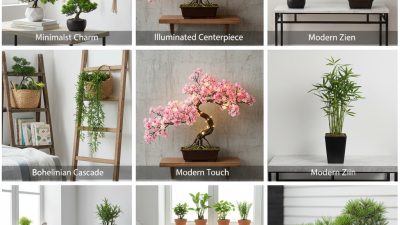
When enhancing the ambiance of your space with artificial plants, choosing the right varieties is crucial. Consider the overall theme and color palette of your room. For instance, if your décor leans towards minimalist or contemporary styles, opt for sleek and architectural plants like succulents or snake plants, which provide a clean look without overwhelming the space. On the other hand, if your room has a more traditional or vintage feel, lush ferns or flowering artificial plants can add a touch of warmth and charm, helping to create a cozy atmosphere.
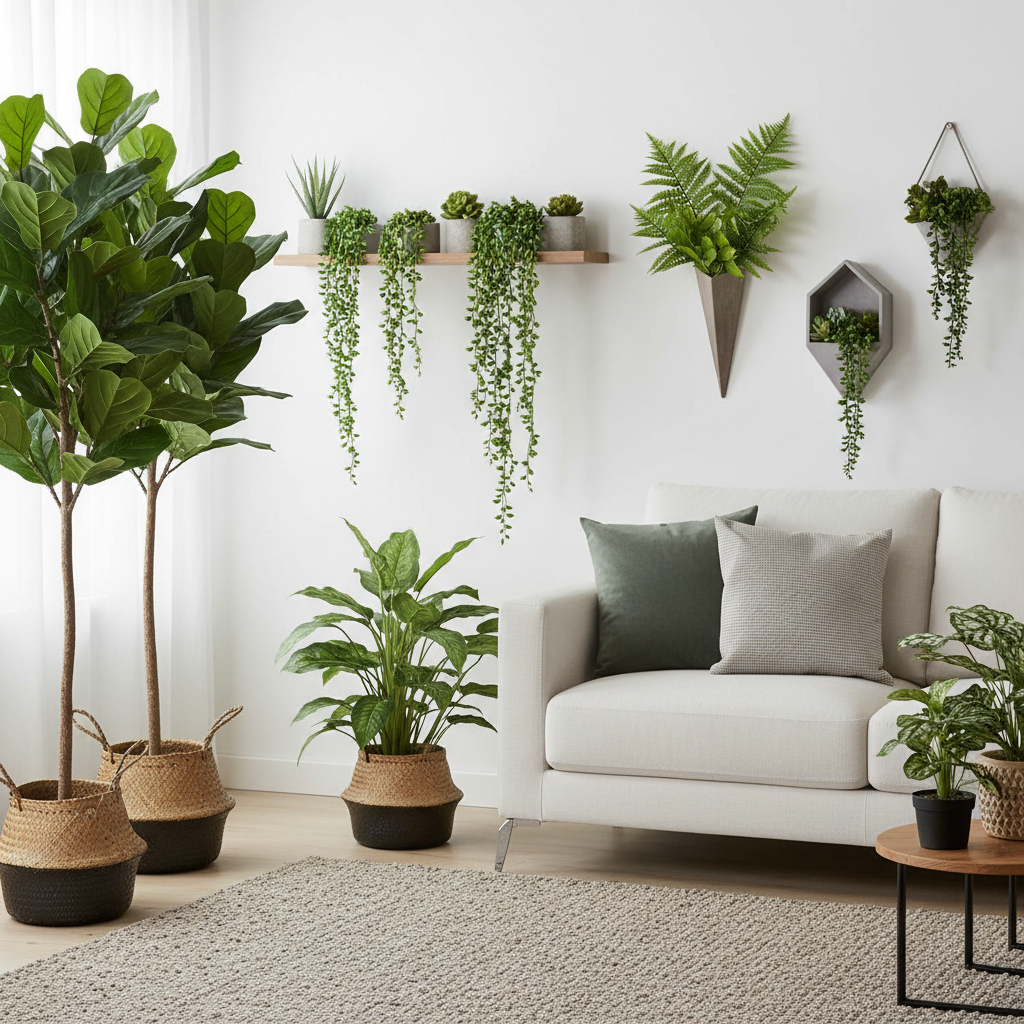
In addition to style, think about the placement of your artificial plants. Grouping different heights and sizes can add depth and visual interest to your decor. For example, a tall artificial palm tree can be a stunning focal point in a corner, while smaller plants can be clustered on shelves or tabletops. Additionally, consider the lighting; placing plants near natural light sources will enhance their realistic appearance, making your space feel more inviting and alive. By thoughtfully selecting and positioning your artificial plants, you can significantly elevate the ambiance of your home or office.
Top Artificial Plants Selected by Users (Popularity)
Creating a Focal Point: Arrangement Strategies for Artificial Plant Decor
To create a captivating focal point in your space with artificial plant decor, strategic arrangement is key. Begin by selecting a variety of artificial plants that complement each other in terms of color, size, and texture. Grouping plants of different heights together can create a dynamically interesting visual. For instance, place taller faux trees in the back and smaller potted plants in front, ensuring that the arrangement draws the eye and invites closer inspection.
Consider the placement of your artificial plants relative to existing furniture and decor elements. Positioning a cluster of vibrant plants on a side table or shelving unit can transform an ordinary space into an inviting nook. Additionally, using plant stands or hanging planters can elevate the decor, adding depth and dimension. Always keep in mind the overall style of your space; a modern aesthetic can be enhanced by sleek, minimalist plant designs, while a more bohemian vibe may benefit from a mix of lush greenery. By carefully curating and arranging your artificial plant decor, you can effortlessly create a stunning focal point that enlivens your environment.
Color Coordination: Matching Artificial Plants with Your Interior Design
When it comes to enhancing interior design, the role of color coordination cannot be overstated, especially when incorporating artificial plants into your decor. According to a report by the International Journal of Architectural Engineering, color plays a significant role in influencing mood and perception in a space. By thoughtfully selecting artificial plants that complement your color scheme, you can create a harmonious environment that enhances your overall aesthetic. For example, pairing deep green foliage with earthy tones can evoke feelings of tranquility, while vibrant florals can add a pop of energy to a more muted palette.
Furthermore, research from the American Society of Interior Designers highlights that implementing greenery—artificial or otherwise—can increase perceived property value by up to 15%. Utilizing artificially crafted plants allows for more flexibility in color coordination, as they can be chosen to perfectly match your chosen hues without the worries of maintenance or seasonal changes. Opting for varying shades of green combined with colorful pots or accessories can enhance the visual appeal of your space, making it feel both dynamic and inviting. By strategically integrating artificial plants into your design, you can effectively harness the power of color to transform your living spaces.
Maintenance-Free Beauty: The Benefits of Using Artificial Plants
Artificial plants offer a unique solution for those seeking maintenance-free beauty in their living spaces. Unlike their live counterparts, artificial plants require no watering, pruning, or special care, making them an ideal choice for busy individuals or those without a green thumb. This convenience allows you to enjoy the aesthetic appeal of greenery without the time and effort that real plants demand. Moreover, they retain their vibrant appearance year-round, eliminating concerns about seasonal changes that can affect the look and health of live plants.
In addition to being low-maintenance, artificial plants come in a variety of styles, sizes, and arrangements to suit any decor theme. From realistic faux ferns to sleek minimalist succulents, there is an option for everyone. They can be strategically placed in different areas of your home, bringing a touch of nature into spaces where real plants might struggle to thrive, such as darker rooms or those with fluctuating temperatures. By incorporating artificial plants into your decor, you can create a warm and inviting atmosphere that enhances the overall aesthetic of your space without the hassle of upkeep.
Layering Textures: Combining Artificial Plants with Other Decor Elements
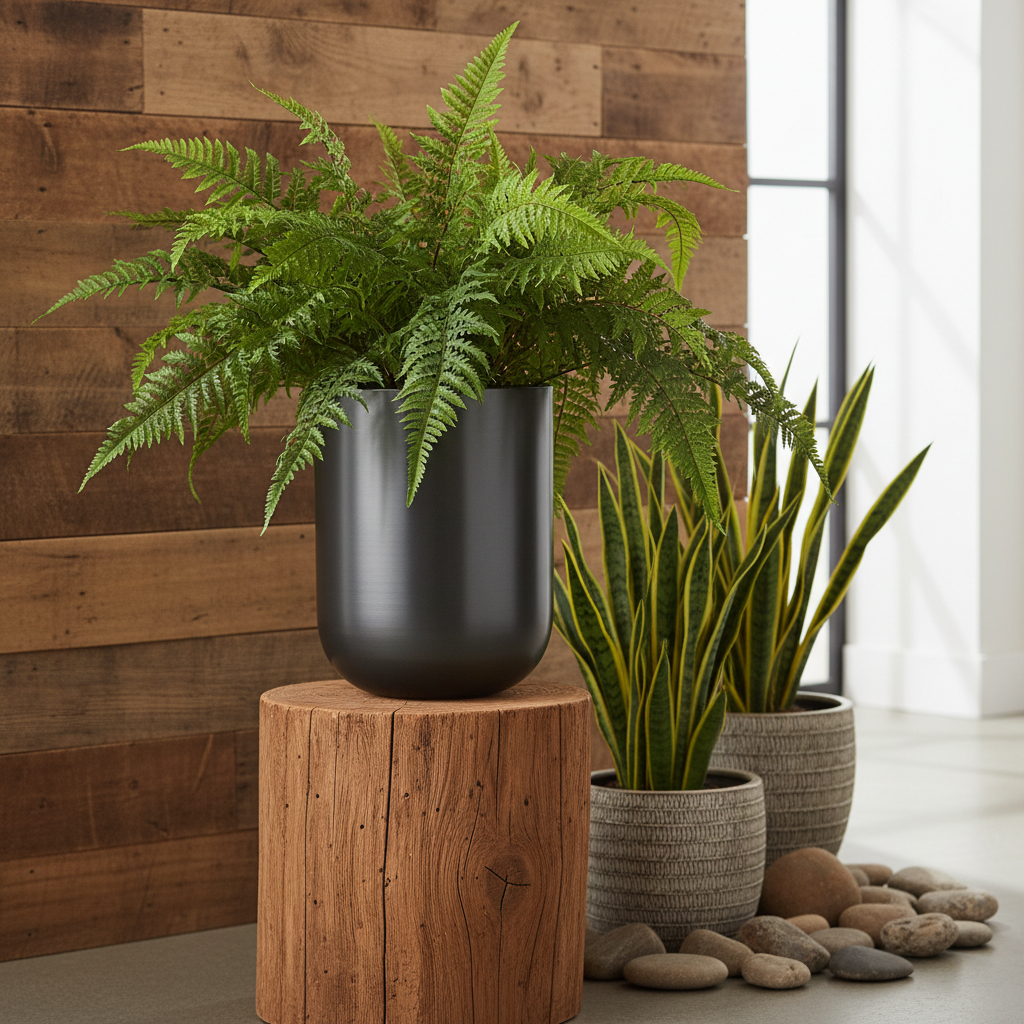
Layering textures is a game-changer when it comes to decorating with artificial plants. By combining different materials, you can create dynamic visual interest in your space. For example, pair a lush artificial fern with a sleek metal planter for a modern look. The contrast between the softness of the leaves and the hardness of the metal evokes a sense of balance and harmony. Another great idea is to mix artificial plants with organic elements like wood or stone to enhance the natural feel of your decor, making the artificial greenery appear more lifelike.
When incorporating artificial plants, consider their scale and placement within the room. For larger spaces, choose bold, oversized plants that can serve as statement pieces. On the other hand, in smaller areas, opt for smaller plants or clusters of various sizes to create depth without overwhelming the space. Additionally, don’t shy away from using textiles such as woven baskets or textured rugs to soften the overall design. These contrasting textures will elevate the artificial plants and complete the look seamlessly while adding warmth and character to your area.