Best Tips for Choosing Potted Artificial Plants for Your Home?
When it comes to home decor, Potted Artificial Plants offer both beauty and convenience. According to renowned interior design expert, Sarah Thompson, “The right artificial plants can transform any space.” Indoor greenery can uplift moods and enhance aesthetics. However, choosing the perfect ones is not always straightforward.
Many factors influence your selection. Consider size, color, and style. A large potted plant might overwhelm a small room. Conversely, tiny pots can get lost in spacious areas. Texture also plays a role; realistic leaves can add depth and life. However, some artificial plants might feel cheap or too plastic-like, causing disappointment.
It’s important to reflect on your choices. Not every artificial plant suits every home. Remember to evaluate lighting and your room's overall vibe. Even though selecting Potted Artificial Plants can be tricky, the right ones can bring joy and character to your space.
Understanding the Benefits of Potted Artificial Plants in Home Decor
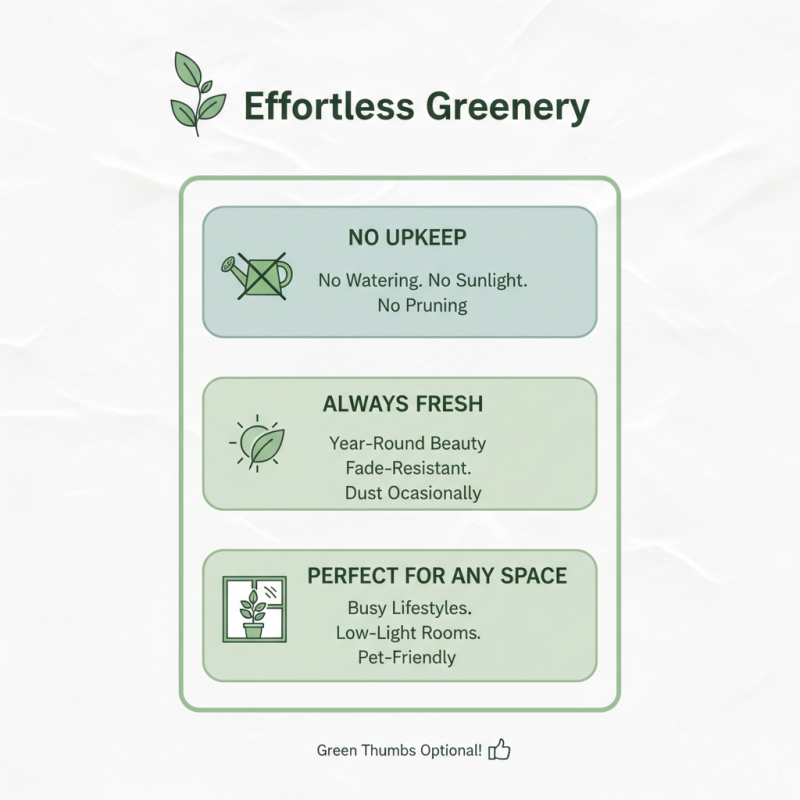
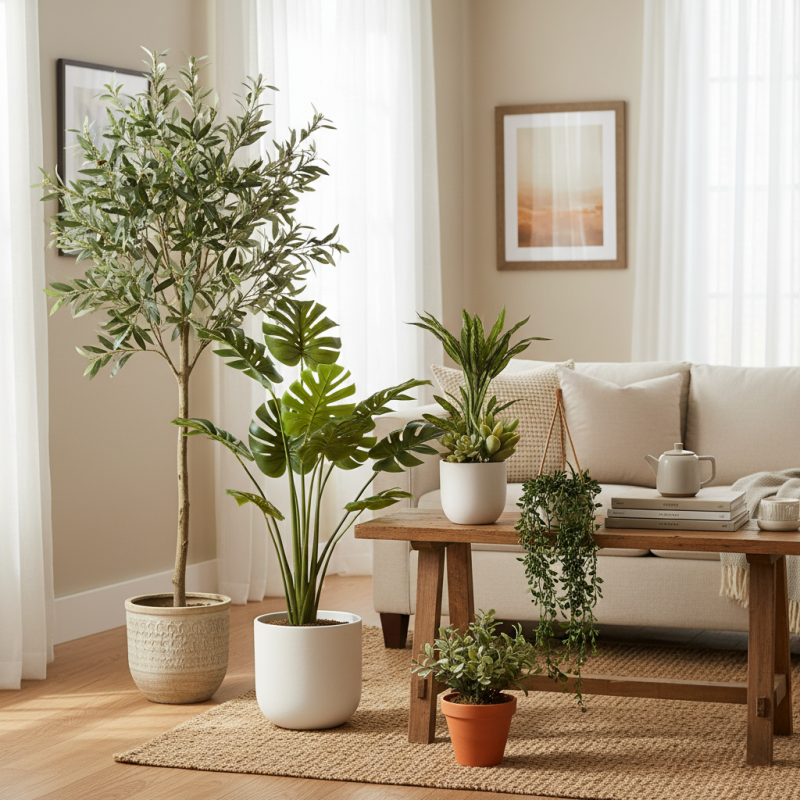
Potted artificial plants bring numerous benefits to home decor. They provide the beauty of greenery without the upkeep. You won’t need to worry about watering or sunlight. This makes them ideal for busy lifestyles and less-than-ideal indoor environments. No need for a green thumb here!
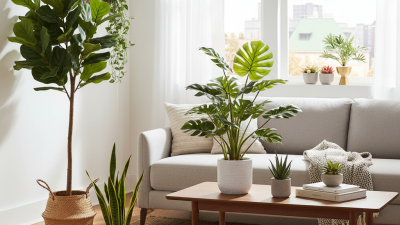
A perfect spot for these plants can transform a dull corner. Consider placing a vibrant fern on a shelf or a petite succulent on your desk. These additions create a pop of color. Remember, imperfections add character. A slightly crooked plant can be charming, creating a more relaxed atmosphere.
Artificial plants are also allergen-free. This is a great advantage for those with sensitivities. They’re safe for homes with pets too. You might find them easier to incorporate into various design styles. Whether modern, vintage, or minimalistic, there’s an option to fit your aesthetic. It’s worth exploring different textures and sizes to see what resonates with you.
Evaluating Material Quality for Longevity and Realism in Artificial Plants
Choosing the right artificial plants involves careful consideration of material quality. The best materials can make a difference in durability and realism. Look for plants made of high-grade polyethylene or silk, as they tend to mimic the look and feel of real plants effectively. They resist fading and can withstand sun exposure without losing their appearance.
When evaluating fake plants, observe the details. Check leaf textures and colors. Natural plants have variance in shading; the best artificial options replicate this. Avoid overly shiny finishes; they often look cheap and unrealistic. Small imperfections in design can also enhance authenticity.
Don't overlook the weight of the plant. Heavier options usually indicate better quality and stability. Consider how they fit into your home decor. A beautiful artificial plant should look like it belongs in your space. If it feels out of place or stands out awkwardly, it may need reevaluation. The goal is to enhance your environment without drawing too much attention.
Best Tips for Choosing Potted Artificial Plants for Your Home
Selecting the Right Size and Scale for Your Space with Potted Plants
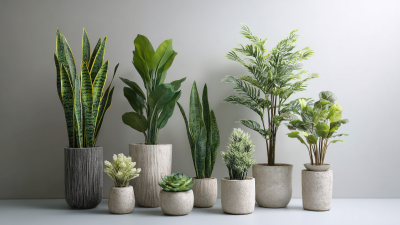
Choosing the right size and scale of potted artificial plants can transform your space. Many people underestimate how important size is. A small plant can get lost in a large room. Conversely, a huge plant can dominate a small area.
When selecting a plant, consider the height. A tall, slender plant can bring height without being overwhelming. Think about where you will place it. Will it be on a table or a floor? For narrow spaces, choose plants that grow vertically. A wide plant may make a room feel cramped.
Pay attention to the pot size, too. A tiny pot may make a large plant look awkward. Aim for a balanced look. Here’s a tip: Try different plants in the space before making a decision. This trial and error method can save you time and effort later. Remember, the goal is harmony, not chaos.
Best Tips for Choosing Potted Artificial Plants for Your Home
| Plant Type |
Recommended Pot Size |
Ideal Room Type |
Light Requirements |
Maintenance Level |
| Fiddle Leaf Fig |
12-14 inches |
Living Room, Office |
Bright Indirect Light |
Low |
| Succulent |
6-8 inches |
Kitchen, Bathroom |
Bright Light |
Very Low |
| Snake Plant |
8-10 inches |
Bedroom, Hallway |
Low to Bright Light |
Low |
| Pothos |
10-12 inches |
Living Room, Office |
Low to Medium Light |
Low |
| Spider Plant |
8-10 inches |
Living Room, Child's Room |
Bright to Medium Light |
Low |
Choosing Appropriate Styles and Colors to Match Your Interior Design
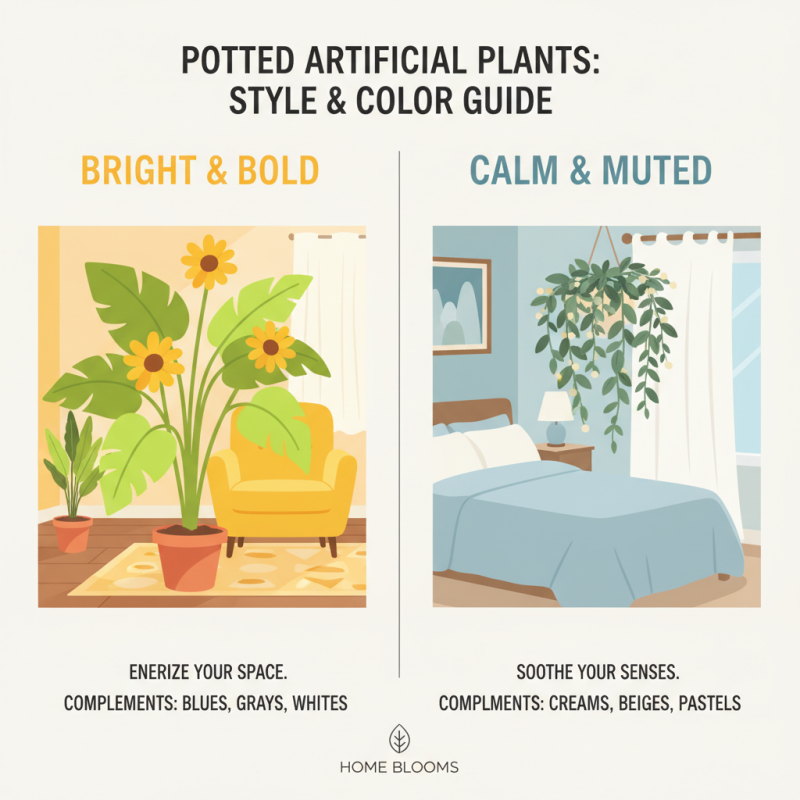
When selecting potted artificial plants, style and color are crucial. They should complement your home’s design. Consider the mood you want to evoke. A bright, vibrant plant can liven up a dull space. In contrast, muted tones can create a calm atmosphere. Look around your home. What colors dominate your space? Choose plants that mirror or contrast elegantly with these hues.
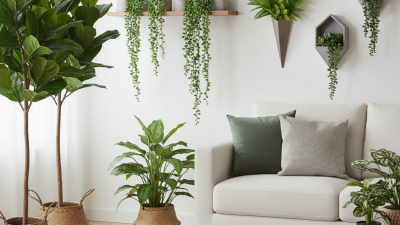
Don’t forget about texture and form. A spiky cactus might clash with soft furnishings. A lush fern could be too extravagant for minimalist decor. Consider various shapes as well. Tall plants can draw the eye upward, making a room feel more spacious. Shorter plants can create cozy nooks. Mixing different styles offers visual interest, but it’s a delicate balance.
Be mindful of the possible oversaturation of greenery. Too many plants can feel chaotic. Limit yourself to a few key pieces that stand out. Reflect on the overall composition. If a plant feels out of place, reassess its location. Picking the right plants can elevate your décor; it may take some trial and error.
Tips for Maintaining and Cleaning Your Artificial Plants for Durability
Cleaning and maintaining artificial plants can be easier than you think. Regular dusting is key. Use a soft cloth or a feather duster to gently wipe leaves and stems. This removes dust and keeps your plants looking vibrant. For stubborn dirt, a damp cloth can help. Just be careful not to get too much water on them.
Storing your plants safely also matters. Place them away from direct sunlight to prevent fading. Avoid high humidity areas, which can cause mold. Occasionally, it’s good to check for signs of wear. A leaf might get bent or discolored over time. If you notice any damage, consider replacing parts rather than the whole plant.
Artificial plants can last for years with proper care. However, some may still look dull after a time. A light spray of diluted fabric softener can restore shine and freshness. It’s not perfect, and might not work on all materials. So, be sure to test a small area first. Keeping your artificial plants well-maintained enhances your home decor significantly.