2026 How to Choose the Best Garden Decor Tree for Your Space?
Choosing the right Garden Decor Tree can transform your outdoor space. This choice impacts aesthetic appeal and environmental well-being. According to the 2023 Gardening Trends Report, over 70% of homeowners prioritize greenery in their gardens. A well-selected Garden Decor Tree enhances both beauty and biodiversity.
Expert horticulturist Dr. Sarah Green emphasizes, “A perfect tree can redefine your garden's atmosphere.” However, not every tree suits every space. It’s essential to consider sunlight, soil type, and growth patterns. Some trees may grow too large or require specific care that doesn’t fit your lifestyle.
Garden aesthetics are subjective. What one person loves, another may dislike. This makes the decision process complex. Visualizing how a tree will look in different seasons adds depth to the selection. Ultimately, investing time in research is crucial. Your chosen Garden Decor Tree should resonate with your personal preferences while serving your garden's overall ecosystem.
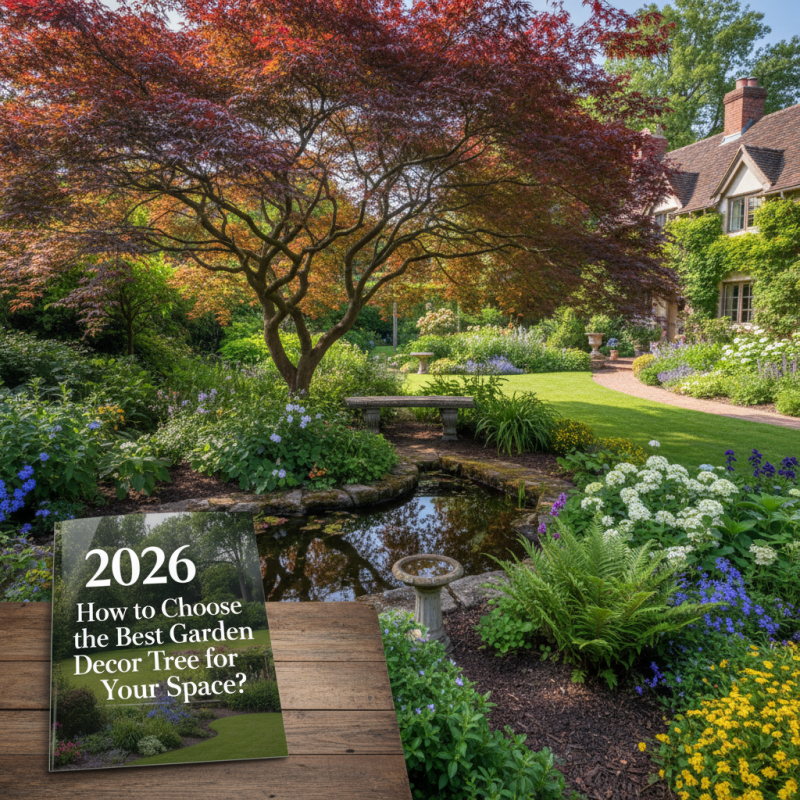
Factors to Consider When Selecting a Garden Decor Tree
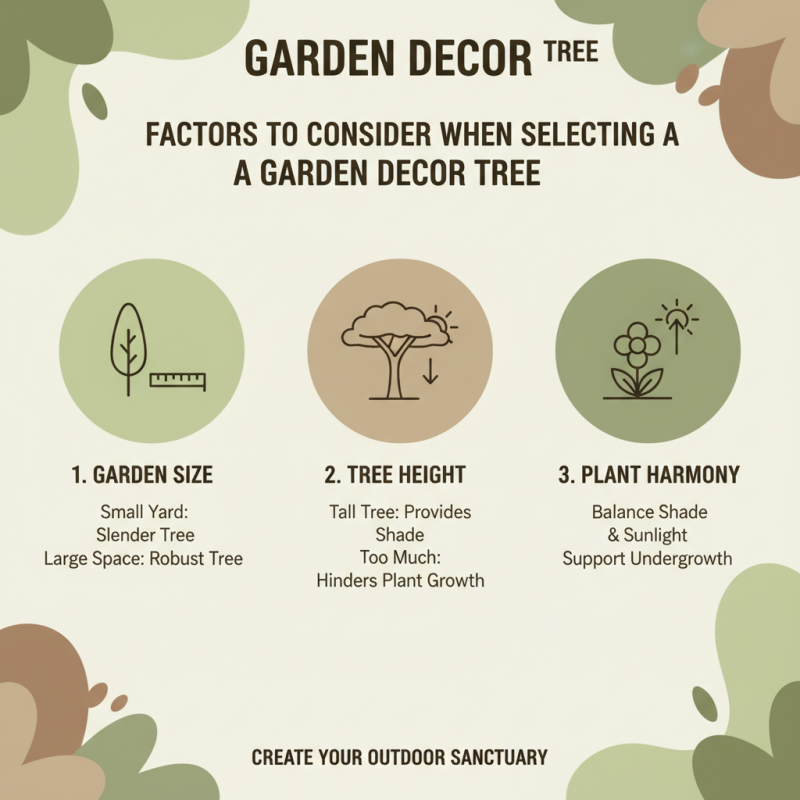
Choosing the right garden decor tree is crucial for creating harmony in your outdoor space. One major factor to consider is the size of your garden. A small yard might benefit from a slender tree, while a larger space can handle a more robust one. Think about the height as well. A tall tree can provide shade, but too much shade may hinder the growth of smaller plants.
Another factor is the climate. Some trees thrive in sunny conditions, while others prefer shade. Understanding your local weather patterns will help you select a tree that can withstand seasonal shifts. Colorful leaves can add vibrancy in autumn, but they may require more maintenance. Reflect on how much time you are willing to spend on upkeep.
Lastly, consider the style of your garden. A traditional garden may suit a classic tree, while a modern space may benefit from something unique. Don’t forget the roots. Some trees have aggressive root systems that can disturb nearby plants or structures. It's a balance between beauty and practicality that requires careful thought and sometimes, a little trial and error.
Different Types of Garden Decor Trees and Their Features
When picking a garden decor tree, consider its type and features. Ornamental trees, for instance, add elegance. They can be vibrant or subtle. Flowering trees like cherry or magnolia bring seasonal beauty. Their blossoms create a stunning display. However, they often require specific care. This can be challenging for novice gardeners.
Another option is evergreen trees. They provide year-round greenery. Their needles or leaves stay fresh even in winter. These trees offer privacy and structure to your garden. But their growth can be slow. Choosing the right spot for them is crucial. In contrast, deciduous trees shed leaves. They allow sunlight through in winter. Yet, fall cleanup can be labor-intensive.
Unique features can make a tree stand out. Consider trees with interesting bark or unusual fruits. These elements can create focal points. However, these might not thrive in every climate. Always research factors like sunlight and soil type. Some aspects are beyond control, and choices may lead to unexpected results. Understanding these nuances is key to a successful garden.
Types of Garden Decor Trees and Their Popularity
The following chart illustrates the popularity of different types of garden decor trees based on a survey of gardening enthusiasts. It showcases the percentage of preference for each type, highlighting trends in garden aesthetics.
Choosing the Right Size and Scale for Your Outdoor Space
Choosing the right size and scale for your garden decor tree is essential. A tree that’s too large can overwhelm smaller spaces. Conversely, a tiny tree may get lost in a vast garden. Visual balance creates harmony.
Tips: Measure your space before selecting a tree. Use string or garden hoses to outline where the tree will go. This gives you a clearer picture.
Consider the surrounding plants. Larger trees can cast shadows over smaller ones. Make sure there’s enough sunlight for all plants. Also, think about the tree's height as seasons change. A bare branch in winter might look lonely in your landscape.
Check how the tree will fit with existing structures, like fences or pathways. A good fit fosters beauty. A mismatch can create a sense of awkwardness. Sometimes it’s hard to perceive scale. Trust your instincts but be open to adjustments. Adjusting your choice can lead to better harmony in your garden.
2026 How to Choose the Best Garden Decor Tree for Your Space?
| Tree Type |
Ideal Height |
Spacing Requirements |
Sunlight Needs |
Best Seasons for Planting |
| Japanese Maple |
10-15 ft |
5-10 ft apart |
Partial to full shade |
Spring to early summer |
| Fruit Tree (Apple) |
15-25 ft |
15-20 ft apart |
Full sun |
Late winter to early spring |
| Leyland Cypress |
40-60 ft |
5-10 ft apart |
Full sun |
Spring to fall |
| Dogwood |
15-30 ft |
20-30 ft apart |
Partial shade |
Spring |
| Red Maple |
40-60 ft |
20-30 ft apart |
Full sun to partial shade |
Spring to fall |
Materials and Durability: What to Look for in Garden Decor Trees
When choosing a garden decor tree, material and durability are key aspects to consider.
Various materials like plastic, metal, and wood can affect the longevity of your tree. Plastic options are often lightweight and resistant to weather, but they may fade or crack over time. Metal trees can be sturdy, yet rust is a concern. Wood adds a natural touch but requires regular maintenance to prevent rot.
Tips: Look for UV-resistant features. This prevents fading through harsh sunlight. Consider how much maintenance you’re willing to commit to each year. A beautiful wooden tree may need staining and sealing to survive the elements.
It's also beneficial to choose a decor tree based on your local climate. If you live in an area with high humidity, opt for materials that withstand moisture. Think about placement, too. If it's near a sprinkler system, choose something durable and water-resistant.
Creating a stunning garden involves trial and error. Sometimes, you may realize a great design just doesn’t hold up. Embracing this can lead to better choices in your next decor selection. Choosing the right materials will significantly impact the visual and functional success of your garden decor tree.