How to Create Stunning Artificial Green Walls for Your Space?
Creating stunning Artificial Green Walls can transform any space. According to Jonathan Green, a leading expert in green design, "Artificial Green Walls bridge the gap between nature and urban living." This powerful statement highlights the impact these walls can have on both aesthetics and well-being.
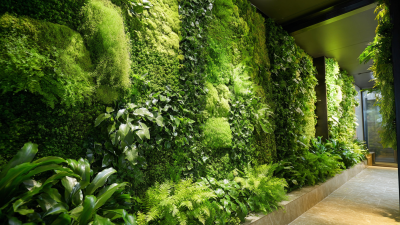
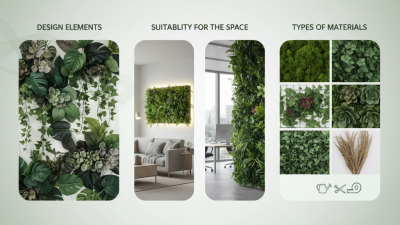
Artificial Green Walls offer a vibrant touch to indoor and outdoor environments. They enhance air quality and create a calming atmosphere. However, not all installations are successful. Poor plant selection and inadequate maintenance can lead to disappointing results. It’s essential to choose the right materials and designs. For example, consider how lighting interacts with the greenery. This can dramatically change the visual appeal.
While the concept sounds appealing, some challenges remain. Not everyone understands the commitment required for upkeep. Unlike natural plants, artificial options may require regular cleaning to maintain their beauty. Reflecting on these details can prevent costly mistakes. Ultimately, a well-executed Artificial Green Wall can serve as a stunning focal point, breathing life into any area.
Choosing the Right Location for Your Artificial Green Wall
Choosing the right location for your artificial green wall is vital. Consider spaces with ample sunlight. Areas close to windows often work best. They provide natural light, which enhances the appearance of your greenery. However, avoid direct sunlight for certain plants. This can lead to fading or damage over time.
Next, think about the wall's accessibility. High-traffic areas can be excellent, but they may require more maintenance. Dust and dirt can accumulate quickly. A location that allows for easy cleaning is ideal. Additionally, assess the aesthetic impact. The wall should complement the surrounding decor. A poorly placed wall can disrupt the overall flow of the space.
Lastly, consider moisture levels in the chosen area. Artificial plants don’t require water, but humidity can affect their appearance. Spaces with too much humidity may cause mold and mildew. This is an issue that could require ongoing attention. Reflect on these factors. The right location can transform your space, but it requires thoughtful consideration.
Step-by-Step Installation Process for a Green Wall
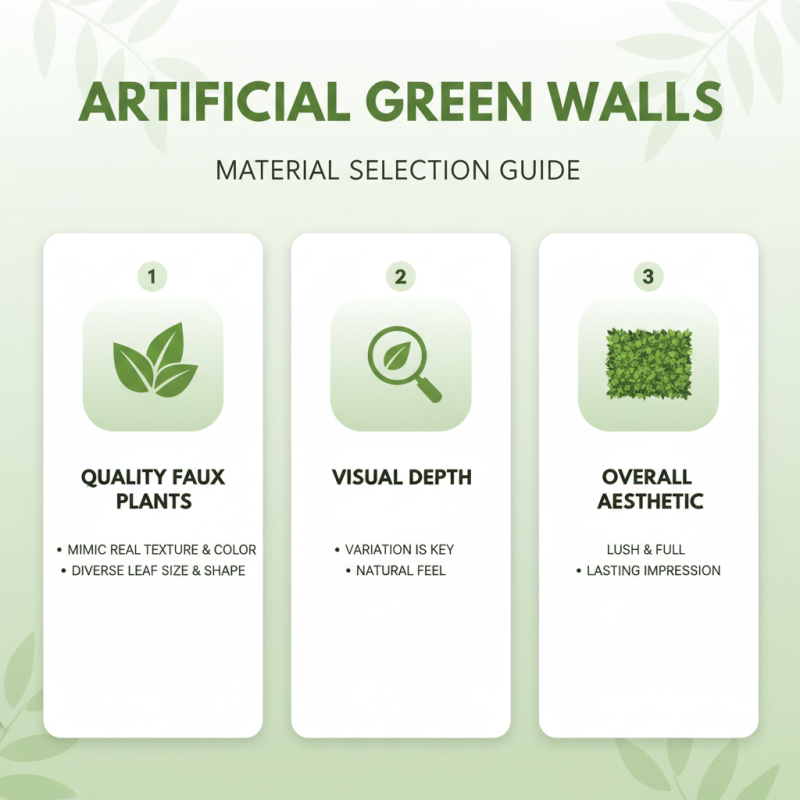
Installing a stunning artificial green wall can transform any space into a refreshing oasis. The first step involves selecting the right materials. Use high-quality faux plants made from durable UV-resistant materials. According to industry studies, 80% of users report improved mood and reduced stress in environments with green walls.
Next, create a sturdy frame. This could be made from wood or metal, depending on your aesthetic preference. Ensure it can support the weight of the greenery. The installation process should involve firm anchoring to the wall or the ground. Many users overlook proper mounting, resulting in future issues.
Once the frame is ready, carefully arrange your plants. Layer different shades and textures to achieve depth. Position taller plants at the back and shorter ones in the front. It’s important to step back frequently and assess the overall look. Some users often feel dissatisfied after installation, leading to unnecessary adjustments. The goal should be a natural appearance that captivates attention.
Incorporating Lighting to Enhance Your Green Wall's Aesthetics
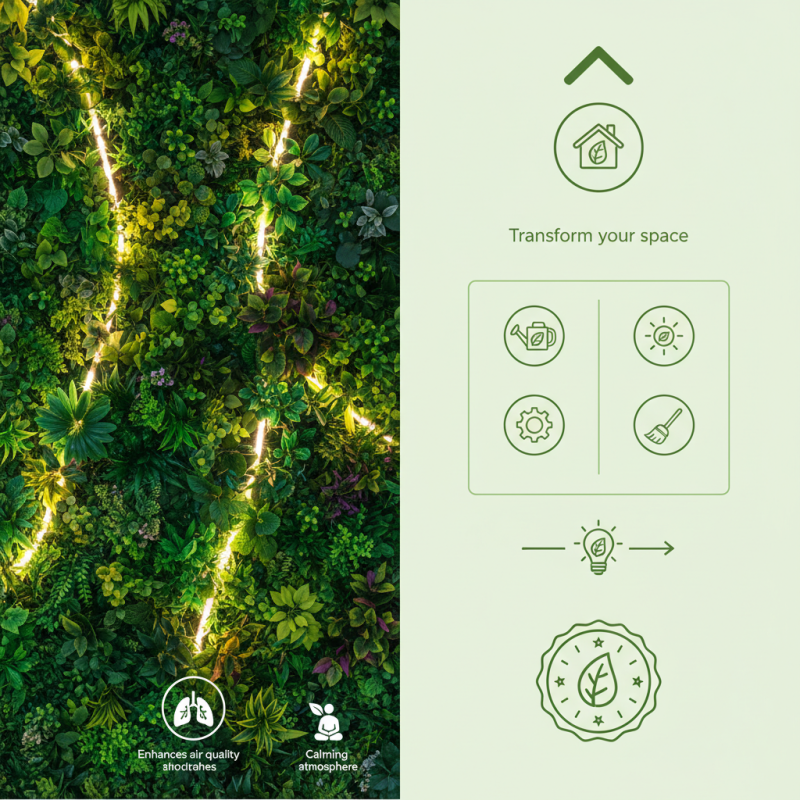
Lighting plays a vital role in enhancing the aesthetics of artificial green walls. Thoughtfully designed lighting can transform these installations into stunning focal points. According to industry reports, up to 80% of consumers feel more relaxed in spaces with greenery. The right lighting can amplify that effect, creating a serene atmosphere.
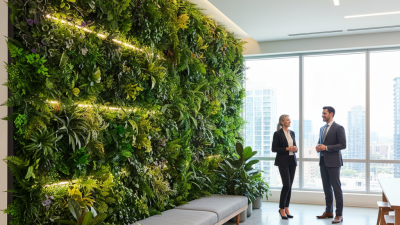
Consider soft, warm lights that mimic natural sunlight. This can make artificial plants appear more vibrant and lifelike. Spotlights can also highlight specific areas, drawing attention to your green wall’s unique design. Research indicates that effective lighting can boost customer engagement in commercial spaces by up to 30%. However, improper lighting can lead to uneven color distributions and could wash out the greenery.
Using programmable LED lights offers flexibility. You can change the ambiance according to different times of the day. This option engages occupants and increases interaction. Yet, there’s a challenge. Frequent changes in lighting can sometimes overwhelm the space. Balancing brightness and subtlety is key. Regular monitoring of how lighting interacts with the green wall is essential for optimal results.
Maintaining and Cleaning Your Artificial Green Wall for Longevity
Artificial green walls can be a vibrant addition to any space. However, maintaining these installations is crucial for their longevity. According to a report by the International Journal of Environmental Research, proper care can extend the lifespan of artificial plants by over 30%. Regular maintenance helps keep them looking fresh and lifelike.
Cleaning your artificial green wall should be a systematic process. Dust accumulation is a common issue. A feather duster or a microfiber cloth can effectively remove surface dirt. For deeper cleaning, a mixture of mild soap and water works well. Ensure to rinse thoroughly to avoid residue buildup. It's recommended to perform a deep clean every few months. This ensures the wall retains its visual appeal. Neglecting this step might lead to a dull appearance, which detracts from its intended aesthetic.
It is essential to assess the placement of your green wall. Direct sunlight can fade colors over time. A shaded location might be ideal for prolonged vibrancy. According to industry studies, sun exposure can decrease the quality of artificial foliage by 20% within a year. Regularly rotating your wall can mitigate this issue. This simple act can refresh its look. Keeping an eye on these details can make a significant difference.