2026 How to Create an Artificial Plant Wall for Your Home Decor?
Creating an "Artificial Plant Wall" can transform your living space into an oasis of greenery. According to Dr. Emily Carter, a leading expert in indoor landscaping, "An artificial plant wall can enhance the aesthetics of any room while requiring minimal upkeep." This sentiment resonates particularly in urban environments where natural foliage is scarce.
Imagine a vibrant wall draped in lush greens without the hassle of watering or sunlight requirements. An "Artificial Plant Wall" not only adds visual interest but can also improve air quality. Each plant is designed to mimic its natural counterpart, making it a focal point in your home.
However, it’s essential to choose wisely. The market offers a plethora of options, and not all are created equally. Some can look synthetic, cheapening the overall effect. It requires thoughtful selection and arrangement to achieve a lifelike appearance. When executed correctly, the effort is incredibly rewarding. Reflecting on the balance between aesthetic appeal and authenticity is crucial in this creative endeavor.
Choosing the Right Location for Your Artificial Plant Wall
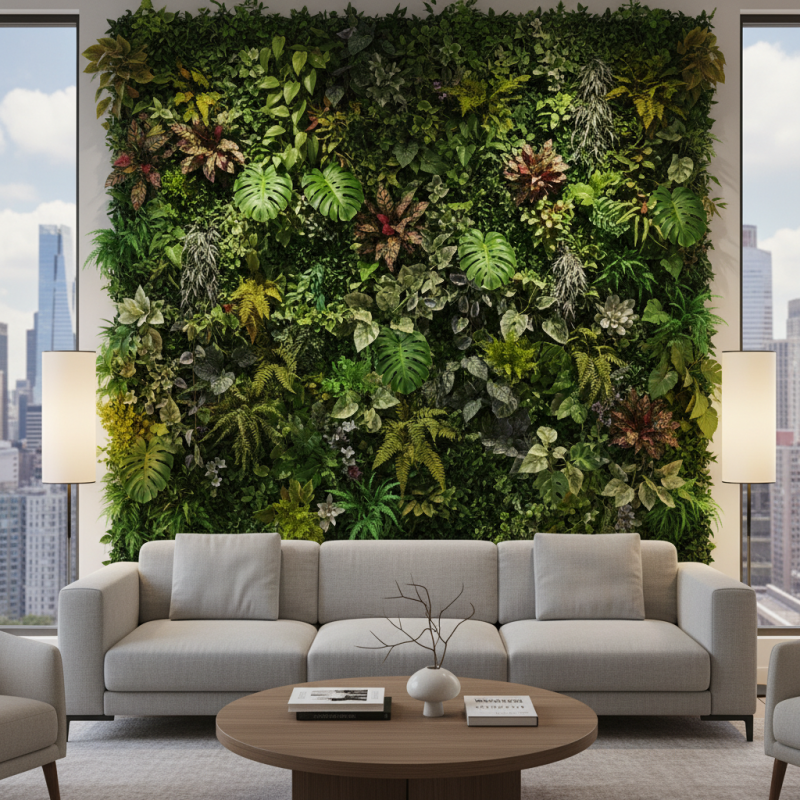
Choosing the right location for your artificial plant wall can make or break its impact. Consider areas with ample natural light, as plants generally thrive in bright environments. However, artificial plants don’t require sunlight, so feel free to place them where you'd love a pop of color. Think about hallways or empty corners that lack life. You can even contrast them against plain walls.
Don't forget to assess the height. A low ceiling can make tall plants feel cramped. On the other hand, a high wall can be a perfect spot for cascading vines. Experiment with different arrangements on the floor before hanging them. This method allows you to visualize the final look more accurately. Pay attention to scale; oversized plants can overwhelm a small space. It’s this balancing act that transforms your home.
Lastly, consider accessibility. Ensure there's enough space to maintain and clean your plant wall. Dust builds up over time, even on artificial greenery. You might find that positioning them a few feet off the floor makes life easier. Reflect on your choices, because each element contributes to the overall aesthetic. A well-placed plant wall can elevate your decor dramatically, while a poorly chosen spot may lead to dissatisfaction.
Selecting Appropriate Artificial Plants for Your Design
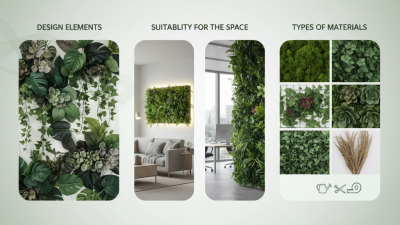
Creating an artificial plant wall can transform the ambiance of your home. Selecting the right plants is crucial for achieving the desired aesthetic. Consider the space where you plan to install the wall. Is it bright and sunny, or more shaded? This will influence your plant choices. Choose vibrant colors for a lively feel, or go with greens for a calming effect.
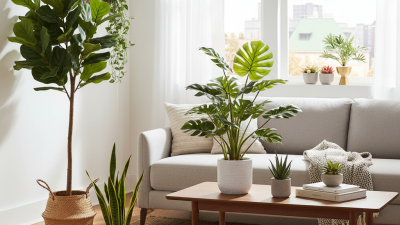
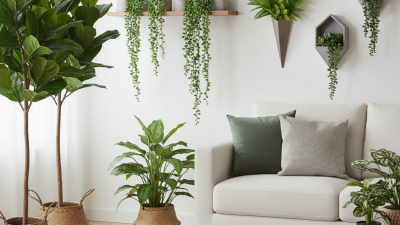
Look for a mix of sizes and textures. Varying leaf shapes can add depth. Large leafy plants paired with delicate vines create a dynamic contrast. It’s also important to think about placement. Some plants might look great in theory but end up feeling unbalanced in reality. Stepping back often helps assess the overall look.
Keep in mind that not all artificial plants are created equally. Some may fade in direct sunlight, losing their appeal. Others might not have a realistic texture. It’s worth investing time to compare options. Bringing different elements together can be challenging. While designing, be open to adjusting your initial vision. Embrace the imperfections, and let your plant wall evolve into something unique.
Gathering Necessary Materials and Tools for Installation
Creating an artificial plant wall is an exciting way to enhance your home decor. Before diving into the installation, gathering the necessary materials and tools is crucial. A good starting point is choosing high-quality artificial plants. According to industry reports, well-made faux plants retain their look and vibrancy for over five years. Additionally, you will need a sturdy frame—wood or metal works best—for stability.
Next, ensure you have the right tools on hand. Scissors will be essential for customizing plant lengths. A staple gun or glue will help secure the plants to the frame. Some users prefer wire for a more structured look. Research indicates that completing a project like this requires patience; many people underestimate the time needed for proper installation.
It's also important to consider the aesthetics of your wall. Mixing plant types can create depth and interest. However, achieving a balanced look may take some trial and error. Some find that uneven placements lead to a more realistic appearance. Remember, imperfections can add character to your creation. Using a variety of textures and colors enhances the overall effect, yet too many can make it feel chaotic. Planning is key, but flexibility will guide you to better results.
2026 How to Create an Artificial Plant Wall for Your Home Decor? - Gathering Necessary Materials and Tools for Installation
| Material/Tool |
Description |
Quantity Needed |
Estimated Cost |
| Artificial Plants |
Variety of faux plants for a lush look. |
15-20 pieces |
$150 - $300 |
| Wall Frame |
A sturdy frame to attach the plants. |
1 |
$50 - $100 |
| Faux Moss |
For filling gaps and creating texture. |
1 bag |
$20 - $35 |
| Installation Tools |
Glue gun, scissors, or staple gun. |
1 set |
$25 - $50 |
| Hanging Hardware |
For mounting the frame on the wall. |
1 set |
$10 - $20 |
Step-by-Step Installation Process for Your Plant Wall
Creating an artificial plant wall can transform your space. It adds vibrancy and texture. Start by gathering your materials. Choose a sturdy frame, faux plants, and adhesive. Make sure the plants you select match your decor style.
Begin by measuring your wall area. It’s crucial to note the dimensions. Laying out the plants on a flat surface helps visualize the arrangement. Mix different colors and sizes for a dynamic look. You might need to adjust as you go. It’s okay if the initial layout doesn’t work. Experiment until it feels right.
Once ready, attach the plants to the frame with adhesive. Press firmly to ensure they stick. After attaching all plants, find a suitable spot on the wall. Level it to avoid tilting. Hang it securely. The final look might not be perfect, and that’s fine. Each plant wall will present its own unique character.
Growth of Popular Indoor Plants for Artificial Plant Walls (2018-2023)
Tips for Maintenance and Enhancing Your Artificial Plant Wall
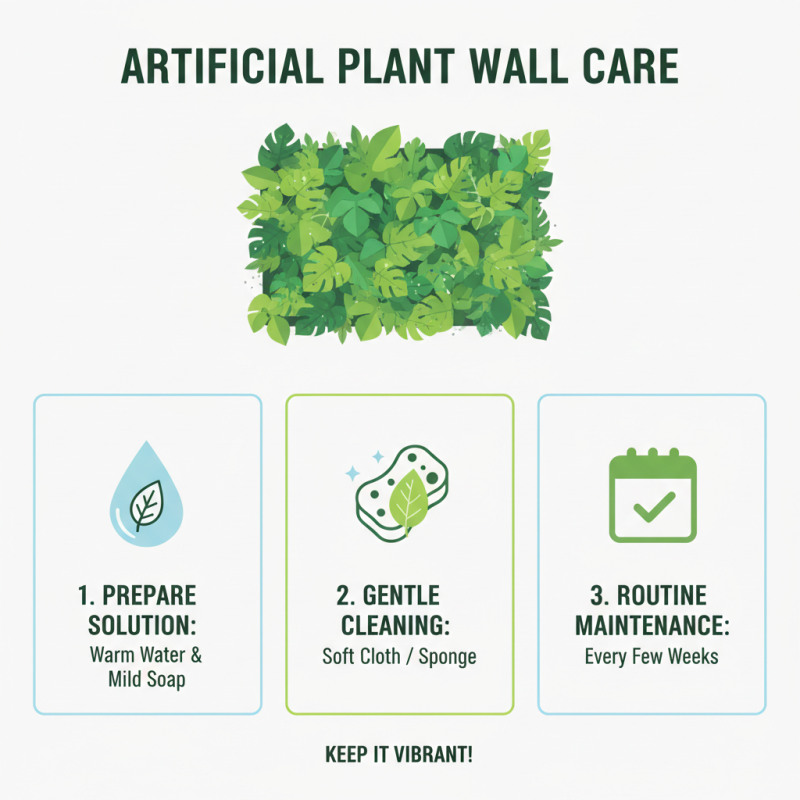
Maintaining an artificial plant wall requires regular care to ensure it looks vibrant. Dust can accumulate on leaves, affecting their appeal. A weak solution of warm water and mild soap can be effective. Use a soft cloth or sponge for cleaning. This simple task should be part of your routine every few weeks.
Enhancing your plant wall goes beyond basic maintenance. Consider adding decorative elements, such as fairy lights or mirrors, to create depth. Statistics show that well-decorated spaces can elevate mood by 15%. However, one must be careful not to overcrowd the design; it might lead to a chaotic look.
Temperature and humidity can also affect your artificial plants' longevity. Dust and moisture can degrade color and material over time. Regular checking is essential, particularly in humid environments. Remember, while these plants are low maintenance, they still require attention for a lasting aesthetic.