How to Choose the Perfect Garden Decor Tree for Your Outdoor Space?
When enhancing your outdoor space, a Garden Decor Tree can serve as a stunning centerpiece. According to a 2022 report by the National Gardening Association, 76% of homeowners invest in outdoor decor to personalize their gardens. A well-chosen garden tree not only beautifies but also creates a relaxing atmosphere.
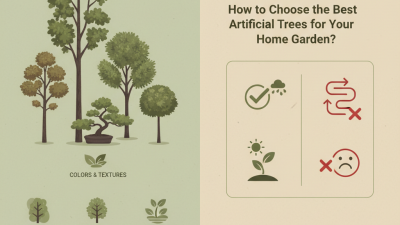
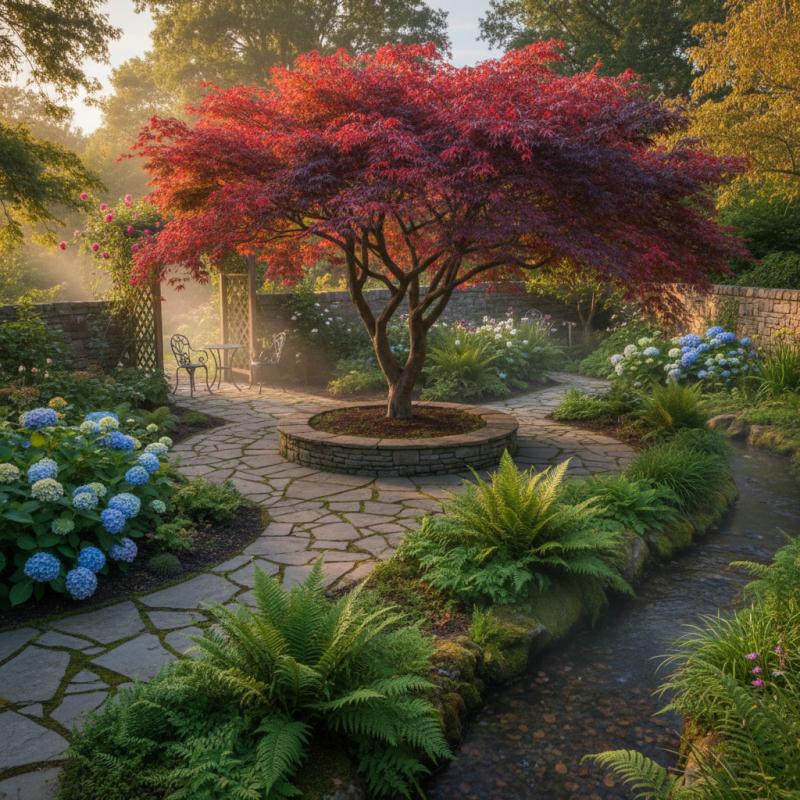
Choosing the right tree involves more than aesthetics. Consider the tree’s size, shape, and maintenance needs. For instance, ornamental trees like Japanese Maples can bring vibrant colors. However, they may require more attention than native species. In fact, data shows that 60% of garden owners experience challenges in tree maintenance.
Your selection should reflect your personal style and the overall theme of your outdoor space. Explore various options, but remember that trends can fade. A carefully chosen Garden Decor Tree can add timeless appeal. Reflect on your landscape’s unique characteristics to ensure a harmonious blend. Choose wisely, as the wrong tree can lead to disappointment.
Factors to Consider When Selecting a Garden Decor Tree
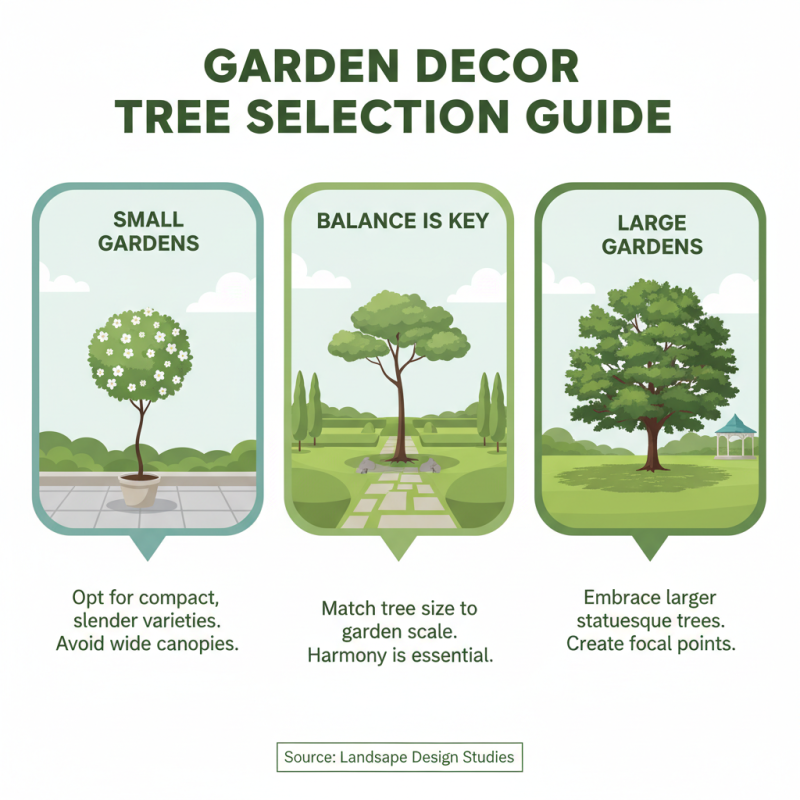
When selecting a garden decor tree, several key factors should be considered. The size and scale of your outdoor space play a critical role. According to landscape design studies, trees that are too large may overwhelm smaller gardens. Conversely, tiny trees can look insignificant in expansive areas. Thus, balance is essential.
The climate in your region is another crucial consideration. Some trees thrive in specific weather conditions. For instance, certain varieties prefer well-drained soils and full sunlight, while others bloom in shaded environments. Understanding your zone's climate can significantly influence your selection process. A report by the American Society of Landscape Architects highlights that 70% of homeowners are unaware of how local conditions affect tree growth.
Maintenance demands are also worth noting. Some trees require frequent pruning and care. If you have limited time, select low-maintenance species. Additionally, think about aesthetics. How will the tree complement your existing plants? A well-chosen tree can enhance the overall beauty of your garden or create distractions if poorly placed. In conclusion, careful thought and research yield the best choices for a garden decor tree.
Types of Garden Decor Trees and Their Aesthetic Appeals
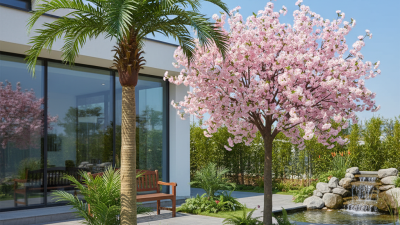
Choosing the right garden decor tree can be challenging. Various types offer unique aesthetic appeals. For instance, flowering trees like cherry blossoms bring beauty during spring. Their delicate petals create a dreamy atmosphere. In summer, their shade becomes a refuge from the heat.
Evergreen trees, such as pines, provide year-round greenery. They symbolize strength and resilience. However, they can sometimes feel overwhelming in smaller spaces. It’s essential to consider the tree’s size in relation to your garden. Balance is key. A small garden might benefit from ornamental dwarf varieties, which add charm without overpowering the area.
Consider also fruit-bearing trees. They offer both visual appeal and practical benefits. Imagine enjoying fresh apples or peaches from your own garden. Yet, they require maintenance and can attract pests. Think about the upkeep involved. Sometimes, less is more. A single, striking tree can become a focal point without cluttering the space.
How to Choose the Perfect Garden Decor Tree for Your Outdoor Space?
| Type of Tree |
Height (ft) |
Best Aesthetic Appeal |
Recommended Climate |
| Japanese Maple |
10-15 |
Vibrant Autumn Foliage |
Temperate |
| Flowering Dogwood |
15-30 |
Beautiful Spring Blooms |
Temperate, Humid |
| Crepe Myrtle |
10-30 |
Vibrant Summer Flowers |
Warm, Humid |
| Leyland Cypress |
30-50 |
Dense, Evergreen Foliage |
Mild to Warm |
| Olive Tree |
15-30 |
Silvery Leaves, Mediterranean Look |
Warm, Dry |
| Bonsai Tree |
1-3 (Potted) |
Artistic and Sculptural |
Indoor or Outdoor |
Sizing and Placement: Finding the Right Spot for Your Tree
Choosing the right spot for your garden decor tree is essential. Consider the sunlight in your outdoor space. Does the area receive direct sunlight or partial shade? Trees need different amounts of light. Make sure your chosen spot meets those needs.
Look at the scale of your space. A large tree can overwhelm a small garden. Conversely, a tiny tree may get lost in a vast yard. Visualize how the tree will look in different seasons. Will it provide shade in summer or color in fall?
Test the placement by marking the area. Walk around it to see how it feels. Sometimes, stepping back can give you a different perspective. Don't rush the decision. Take time to reflect on how the tree fits with your garden style. Remember, the process should be enjoyable, not stressful.
Garden Decor Tree Size and Placement Preferences
Materials and Maintenance: Choosing Durable Options for Outdoor Use
When selecting a garden decor tree, durability is key. Outdoor elements can be harsh. Rain, wind, and sun can wear down materials. Consider options like metal or treated wood for longevity. These materials resist decay and rust. They withstand shifting temperatures well, maintaining their appeal across seasons.
Maintenance matters too. Some materials require more effort to keep looking fresh. For example, wooden trees may need periodic sealing to avoid rot. Metal, on the other hand, might accumulate rust without proper care. A simple wipe-down can go a long way in preserving their beauty. Reflect on your willingness to invest time. Choosing a decorative tree is not just a one-time decision. It involves ongoing care to ensure its survival in your outdoor space.
Color options add a unique touch to your decor tree. Bright colors can fade over time, which might come as a surprise. Nature has its way of affecting aesthetics. Think about how often you want to refresh the look. This decision can impact your overall garden theme. Embrace the imperfections that come with outdoor decor, and remember, it's all part of its charm.
Budgeting for Your Garden Decor Tree: Cost Considerations
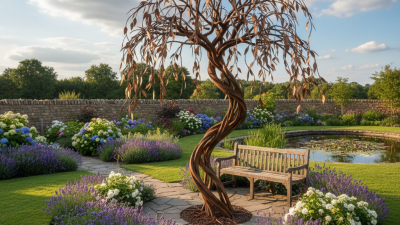
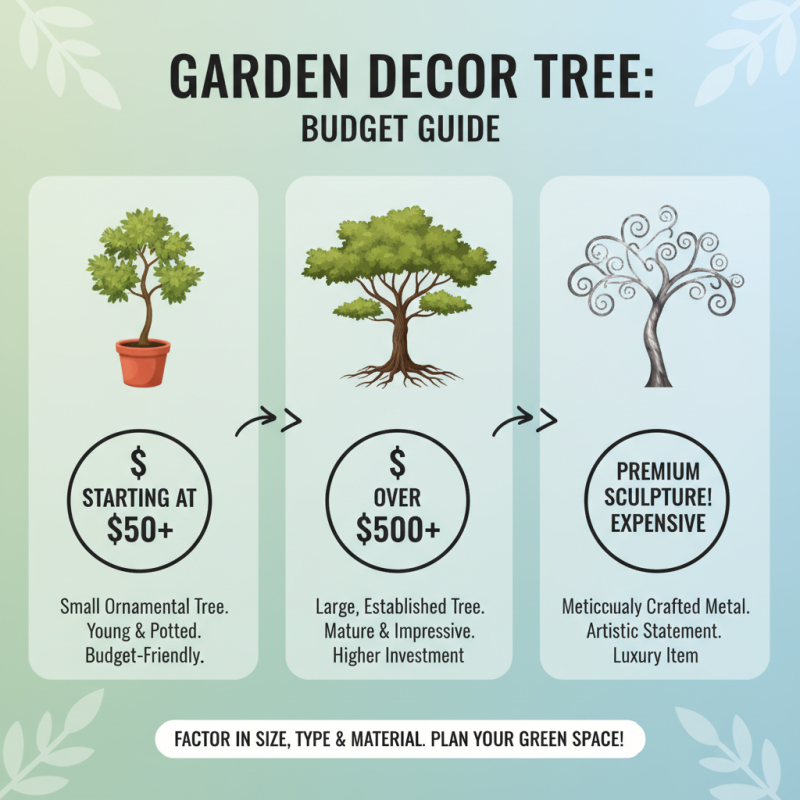
When budgeting for a garden decor tree, costs can vary widely. A small ornamental tree might start at around $50, while larger, more established varieties can soar above $500. It's essential to factor in the size and type of tree you want. A meticulously crafted metal tree sculpture might look stunning but could also empty your wallet.
Consider the additional expenses that accompany your purchase. Shipping fees can be hefty for larger items. Installation costs may also add up. Ensure you evaluate your landscape's needs before making a choice. Sometimes, it’s about more than just aesthetics; it's about integrating the tree into your outdoor space.
Reflect on the long-term investment as well. A high-quality decor tree might initially seem expensive. However, it could last for years and elevate the beauty of your garden. Compare prices and quality across different sources. Spending extra on durable materials can save money in the long run. Balancing beauty and cost often leads to the most satisfying choices.