2026 How to Choose the Best Artificial Trees for Your Home Garden?
When it comes to enhancing your home garden, Artificial Trees offer a unique appeal. These lifelike replicas can transform any space, creating a vibrant atmosphere. Choosing the best options, however, requires some thought.
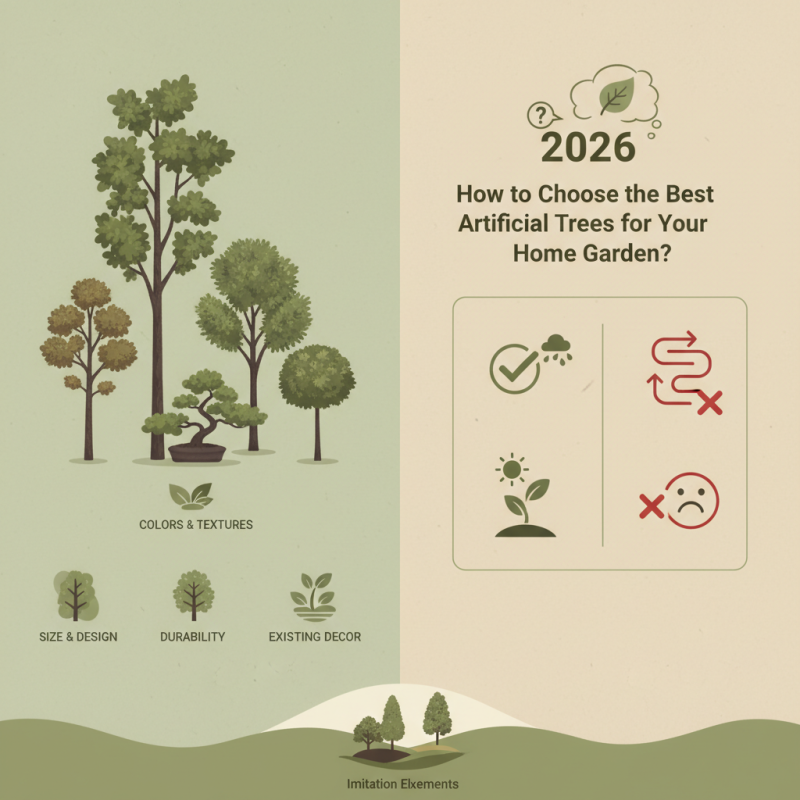
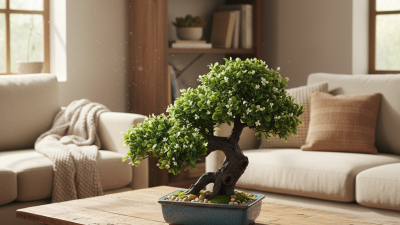
Consider the size and design of your garden. A towering artificial oak can make a statement, while small bonsai trees fit snugly in compact spaces. The right colors and textures can add depth to your garden. Remember, not all artificial trees are created equal. Some may look striking but feel cheap. Others might be durable yet lack charm.
It's essential to assess your needs. Will these trees endure outdoor conditions? Do they blend with your existing garden decor? Reflecting on these questions has its importance. Getting lost in trends might lead to regrets. The goal is to create a harmonious garden, blending the beauty of nature and the convenience of imitation.
Understanding the Benefits of Artificial Trees for Home Gardens
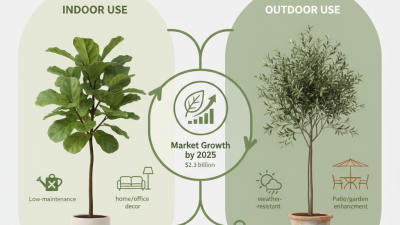
Artificial trees are an excellent addition to home gardens. They offer many benefits that real trees might not. For instance, a recent industry report indicates that around 60% of homeowners prefer low-maintenance options for landscaping. Artificial trees provide that ease. They require no watering, fertilizing, or pruning, making them a practical choice for busy individuals.
Moreover, these trees can enhance the aesthetic appeal of your garden. In fact, studies show that well-decorated outdoor spaces can increase property values by up to 10%. With vibrant colors and realistic designs, artificial trees can mimic the beauty of nature without the environmental impact. However, some may question their authenticity. Critics argue they lack the genuine character of real trees. This leads to reflections on how we perceive beauty in our gardens.
Durability is another notable benefit. Artificial trees can withstand harsh weather conditions. They are resistant to fading, pests, and diseases, ensuring they remain beautiful year-round. Yet, some skeptics may worry about their ecological footprint. It’s essential to weigh these factors when making your choice. Knowing the pros and cons can help align your gardening goals with your values.
Key Factors to Consider When Selecting Artificial Trees
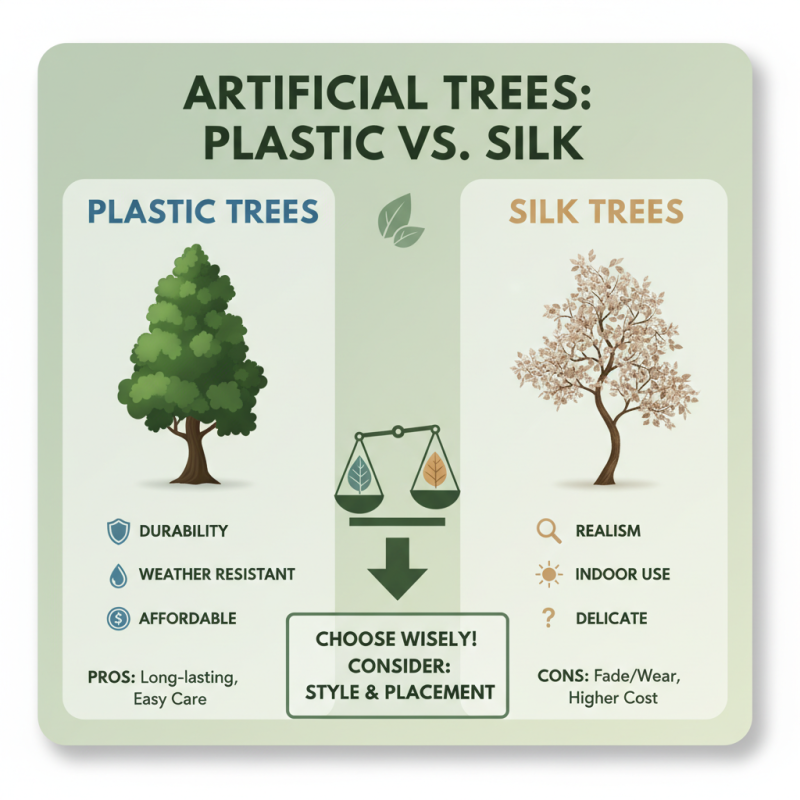
When selecting artificial trees for your home garden, consider the material. Common options include plastic and silk. Each material has its own advantages and drawbacks. Plastic trees tend to be more durable, while silk trees often look more realistic. However, they can wear out over time. Evaluate your preferences carefully.
Size matters too. Large trees can dominate a small space, making it feel cluttered. A smaller tree may blend better. Measure your available space before making a decision. Think about how the tree will fit into your overall garden design. Position is also crucial. Certain areas may benefit from a pop of color, while others need greenery.
Remember to think about maintenance. Some artificial trees require regular dusting, while others are easier to keep clean. This may impact your long-term satisfaction. Lastly, reflect on your style. Do you prefer a modern look or something more traditional? Choosing the right artificial tree requires thought and consideration to achieve the desired atmosphere in your garden.
Popular Types of Artificial Trees for Various Garden Styles
When choosing artificial trees for your home garden, style matters. Different garden aesthetics call for varied types of artificial foliage. For instance, a minimalist garden benefits from sleek, low-maintenance trees. Options like bamboo or palm replicas fit well. According to industry reports, about 30% of homeowners prefer these modern styles for their simplicity.
In contrast, traditional gardens often embrace more classic options. Artificial cherry blossom trees add a touch of elegance and nostalgia. Research indicates that around 40% of garden enthusiasts value decorative details. When selecting, consider the color palette. Brightly colored trees can create focal points, while muted tones can enhance serenity.
However, sizing can be tricky. Too large a tree can overwhelm a small space. Conversely, a tiny tree might get lost in expansive gardens. Many buyers overlook these details, leading to less satisfactory results. Choosing the right artificial tree requires balance and contemplation. Take your time to evaluate what truly fits your garden's character.
Popular Types of Artificial Trees for Various Garden Styles
Maintenance Tips for Keeping Artificial Trees Looking Fresh
Maintaining the beauty of artificial trees requires some effort. To keep them looking fresh, regular dusting is essential. Use a microfiber cloth for best results. A gentle wipe can remove dust and grime without damaging the surface. Don’t overlook this simple step, as neglect can lead to dullness.
Another tip is to position them wisely. Avoid direct sunlight for extended periods. This can cause fading. Artificial trees can still lose their vibrancy over time. Every now and then, take a step back and check their overall appearance. If they seem lackluster, it might be time for a thorough cleaning.
Temperature changes can also affect your artificial trees. Store them in a cool, dry place during harsh seasons if possible. Consider using fabric protectors to shield them from dust accumulation. These small adjustments can make a substantial difference. Reflect on your routine and see where improvements can be made.
Where to Purchase High-Quality Artificial Trees for Your Garden
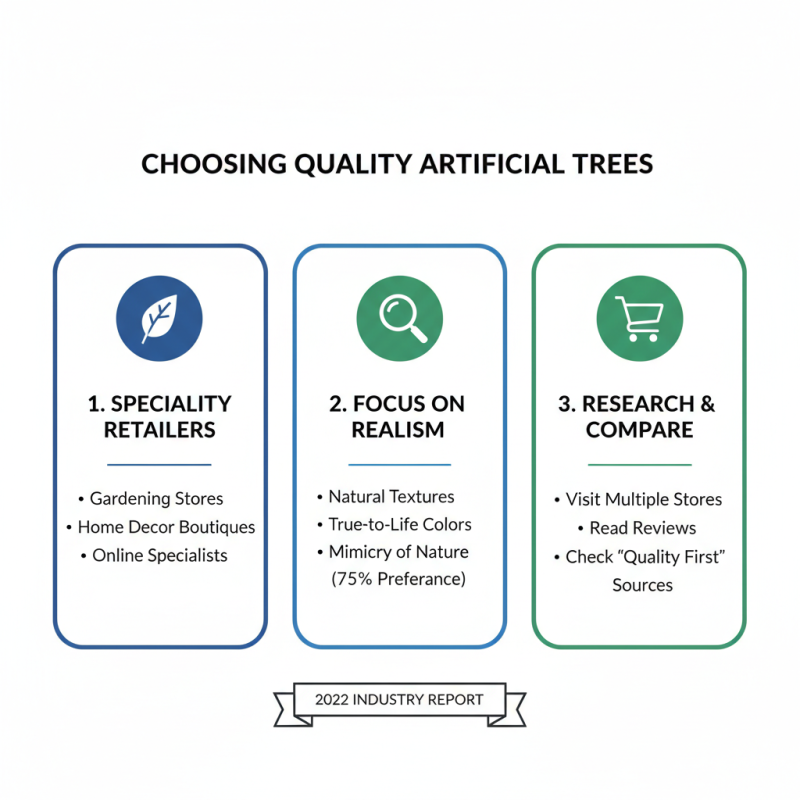
When choosing high-quality artificial trees for your garden, several factors come into play. Look for retailers that specialize in gardening or home decor. It’s crucial to select sources that prioritize quality. According to a 2022 industry report, over 75% of customers prefer artificial plants that mimic natural textures and colors. This makes it worthwhile to research and visit multiple stores.
Tips: Evaluate the materials used to construct the trees. A good product will have UV resistance to prevent fading in sunlight. Additionally, check for the ability to withstand various weather conditions. Some artificial trees are made from materials that may not last long outdoors, which could be a costly mistake.
Online marketplaces offer a variety of choices, but quality can be inconsistent. Customer reviews can provide insights into the durability of the trees. Pay attention to detailed descriptions and images. Many people tend to overlook this, leading to disappointment when the product arrives.
Tips: Don’t hesitate to ask questions before purchasing. Inquire about the warranty or return policy. A reputable seller will be responsive to inquiries. Make sure you understand what you’re getting into. Balancing affordability and quality can be challenging but essential for your garden’s aesthetics.