How to Choose the Best Artificial Plant Tree for Your Space?
Choosing the right Artificial Plant Tree for your space can be a daunting task. According to Jane Thompson, an industry expert with over 15 years of experience, “The perfect Artificial Plant Tree can transform a room’s ambiance.” Her insight speaks volumes about the impact of these faux flora.
When selecting an Artificial Plant Tree, consider the style and size. A well-chosen tree can complement your decor beautifully. However, many people struggle to visualize how an artificial plant fits. It might seem overwhelming, but focus on the details. Do you want a modern look or a more traditional vibe? Think about lighting too.
Incorporating an Artificial Plant Tree shouldn’t just be an afterthought. Reflect on your space’s needs. Sometimes, a too-large tree can crowd a small room. Conversely, a tiny tree may disappear in a vast space. Balancing size and style is essential for making a meaningful decision.
Understanding the Benefits of Artificial Plant Trees in Interior Design
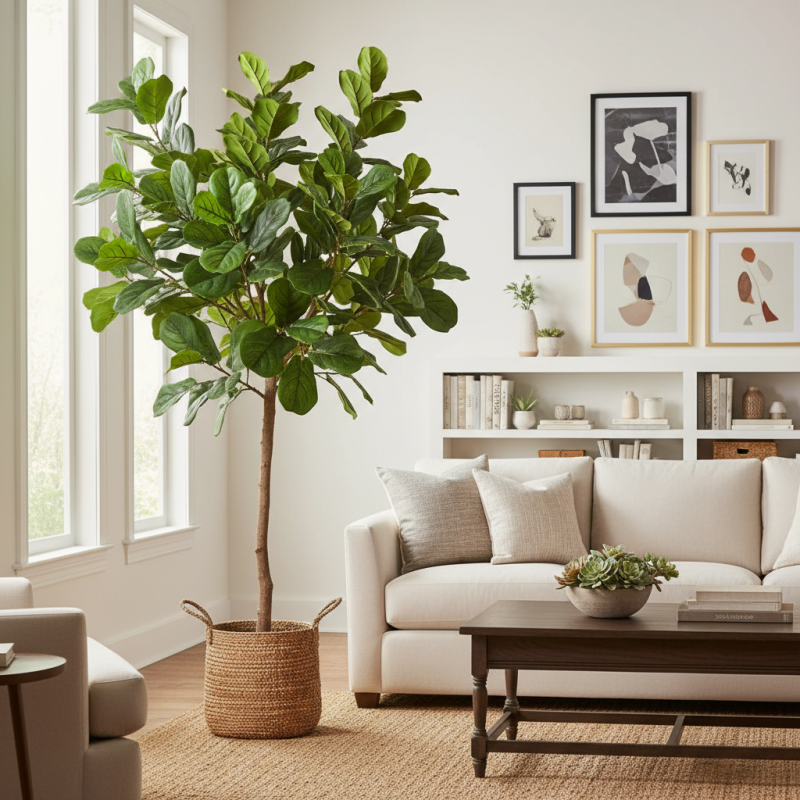
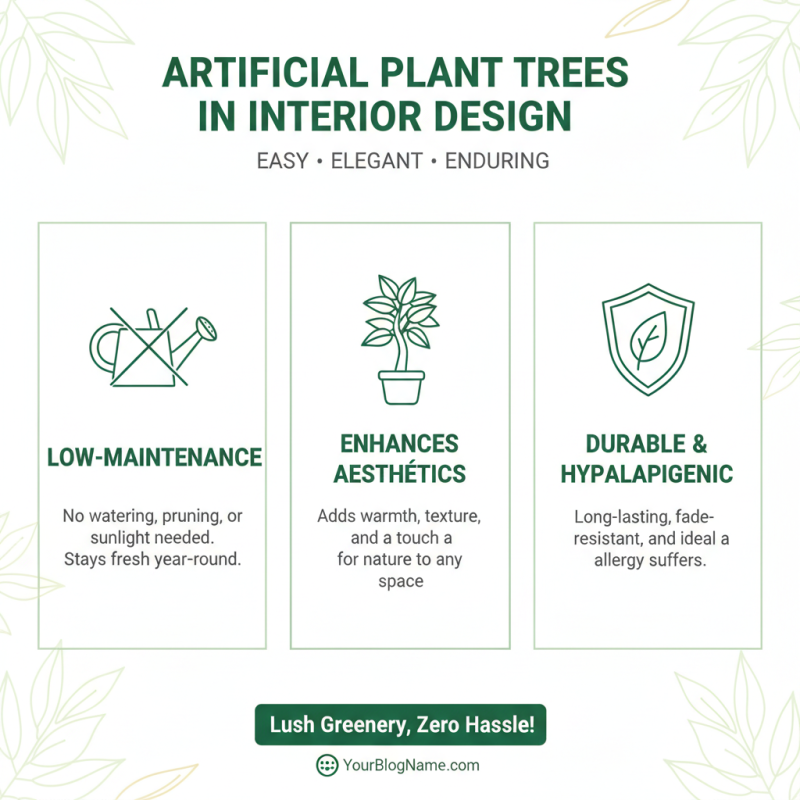
Artificial plant trees have gained popularity in interior design for many reasons. They add a touch of nature without the upkeep of real plants. This is especially advantageous for individuals with busy lifestyles or those who lack a green thumb. Imagine a lush ficus tree standing tall in your living room. It adds warmth and character to the space while remaining low maintenance.
These trees also offer versatility in styling. They can blend seamlessly with modern, rustic, or eclectic decor. The colors and textures of artificial trees can complement various design elements in your home. However, not all artificial trees look realistic. Some can appear cheap or overly plastic, which may detract from your interior. It’s essential to evaluate quality. Look for materials that mimic real foliage closely.
Moreover, artificial plant trees can improve air quality by adding visual interest. They create a calming environment, which is crucial for relaxation. Yet, it's important to reflect on placement. An ill-placed tree can overwhelm a small room or block crucial light sources. Consider your space thoughtfully. Balancing aesthetics with functionality will ensure your space feels inviting and harmonious.
Identifying the Right Size of Artificial Trees for Your Available Space
When choosing an artificial tree, size is crucial. A tree that is too large can overwhelm your space, while one that is too small may go unnoticed. Measure the height and width of your intended area carefully. Consider the ceiling height and the surrounding furniture. A single statement could help: less is often more.
Think about the visuals. A tall tree can draw the eye upward, creating an illusion of height in a small room. However, avoid having it clash with light fixtures or wall decor. Visual balance is essential. A well-sized tree enhances the room, but an ill-fitting one may disrupt the flow.
Placement is also critical. A tree in a corner creates depth, while one in the center can become a focal point. Observe how natural light and shadows play across the room. Reflect on the ambiance you wish to create. This might require trying different spots or even experimenting with various sizes. Making adjustments can lead to unexpected surprises. Each choice tells a story about your space and your style.
How to Choose the Best Artificial Plant Tree for Your Space? - Identifying the Right Size of Artificial Trees for Your Available Space
| Tree Type |
Recommended Height |
Ideal Room Size |
Light Preference |
Maintenance Level |
| Ficus Tree |
4 - 6 ft |
Small to Medium |
Indirect Light |
Low |
| Potted Palm |
5 - 7 ft |
Medium to Large |
Bright, Indirect Light |
Medium |
| Bamboo Tree |
6 - 8 ft |
Large |
Bright Light |
Low |
| Rubber Plant |
3 - 5 ft |
Small to Medium |
Indirect Light |
Low |
| Olive Tree |
4 - 6 ft |
Medium |
Full to Bright Light |
Medium |
Evaluating Material Quality and Realism in Artificial Plant Trees
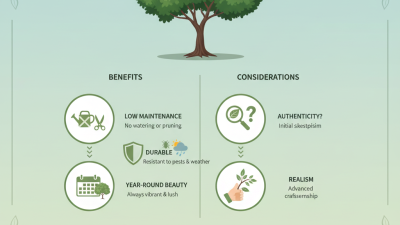
Choosing the right artificial plant tree for your space involves more than aesthetics. Material quality significantly impacts the tree's realism and longevity. According to a study by the American Society of Interior Designers, 72% of designers prefer high-quality materials that mimic natural elements. Fabrics like polyester or polyethylene often create a more realistic appearance. Look for trees with varying textures and colors, as this authenticity catches the eye.
When assessing realism, examine leaf edges and stem finishes. High-quality trees often feature hand-painted details. A report by the National Association of Landscape Professionals notes that customers increasingly seek lifelike designs. This reflects a growing trend in home decor. Keep in mind that some artificial trees may lack the detail necessary to look authentic.
Tips: Always inspect the craftsmanship closely. Check if the branches are sturdy and if the leaves have subtle color variations. Consider how the tree will fit into your overall decor. A well-chosen artificial plant can enhance your space significantly. If a tree feels overly plastic, it probably will not meet your expectations.
Choosing Appropriate Styles and Varieties for Different Decor Themes
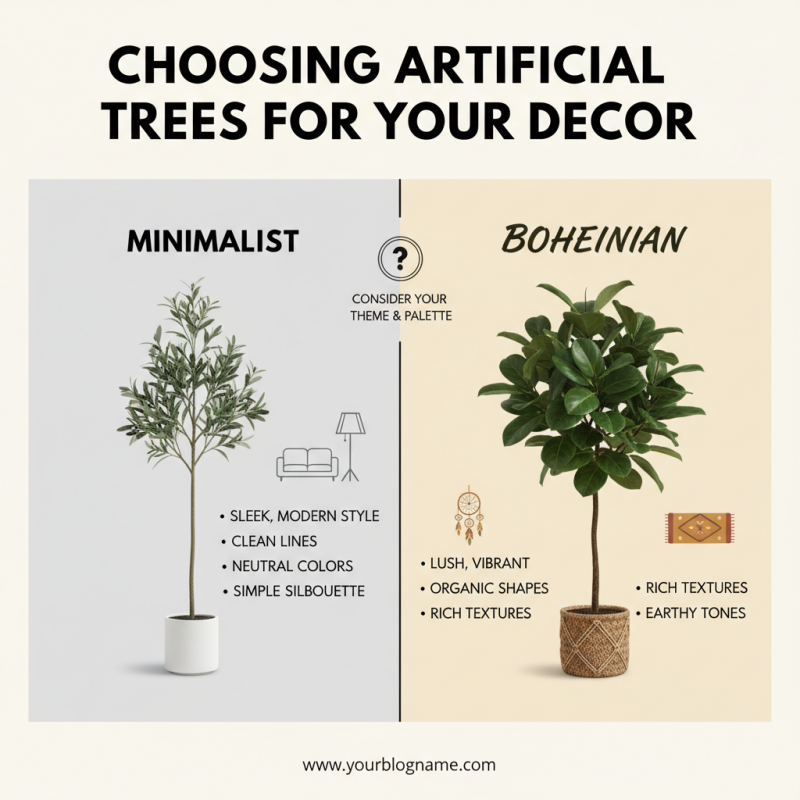
When selecting an artificial plant tree, consider your decor theme. Different styles evoke distinct moods. A minimalist space may benefit from a sleek, modern tree. In contrast, a bohemian setting thrives on vibrant, lush options. Analyze how each tree fits within your color palette and furniture style.
Tips for Choosing: Look for trees with realistic textures. Assess the scale to ensure it complements your room size. Pay attention to the pot design; it should harmonize with your decor. Sometimes, artificial trees can appear too perfect. Finding the right level of imperfection is crucial for authenticity.
In traditional settings, opt for classic varieties like ficus or olive trees. For contemporary spaces, consider abstract designs. Reflect on how these choices affect your room's atmosphere. A well-chosen tree can enhance the overall experience. Experiment with different placements before settling on a final spot. Each choice shapes your space uniquely.
Maintenance Tips for Keeping Artificial Plant Trees Looking Fresh and Lifelike
Artificial plant trees can add life to any space. To keep them looking fresh and lifelike, regular maintenance is essential. Dust and dirt can accumulate quickly, dulling their appearance. Use a microfiber cloth to gently wipe down leaves regularly. A damp cloth works well for deeper cleaning. Make this a routine task, perhaps every few weeks.
Exposure to sunlight can fade colors over time. Keep your artificial plant trees out of direct sunlight whenever possible. This simple action can prevent discrepancies in color that make them look less realistic. Occasionally, check for signs of wear, like bent leaves or fraying stems. Address these quickly to maintain the integrity of the tree. Plant trees often need rearranging to look natural. Change the angle or position every now and then to refresh their presence in your space.
It's also worth noting that even high-quality artificial trees can sometimes feel plastic. This can disrupt the natural aesthetic. Consider adding real soil or rocks at the base of the tree. This can ground the appearance and introduce an authentic element. Balancing care and creativity allows you to enjoy your artificial plant trees in the best possible way.