How to Choose the Best Artificial Outdoor Tree for Your Needs?
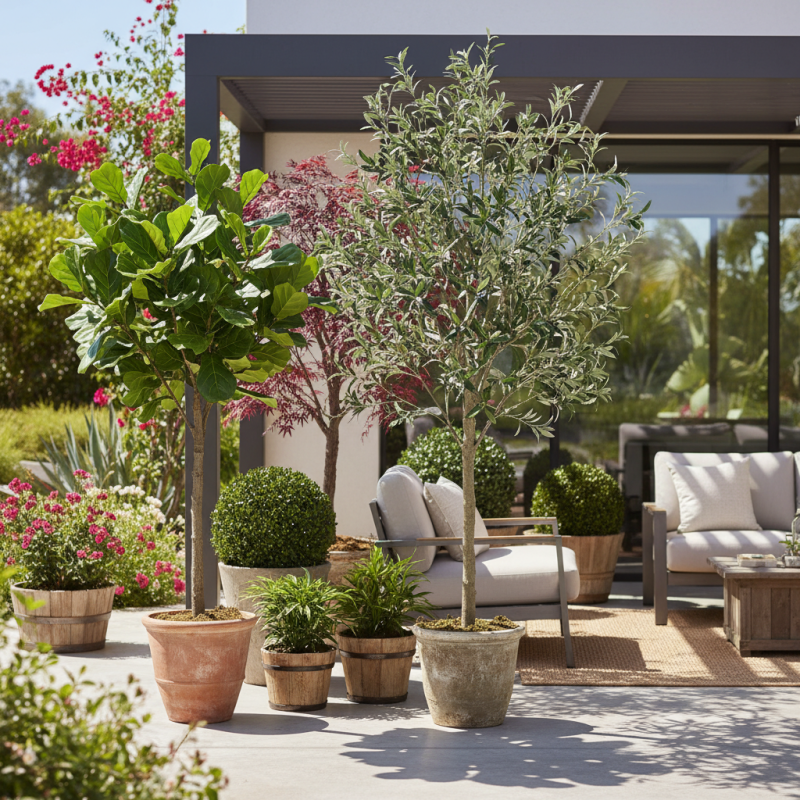
Choosing the right Artificial Outdoor Tree can transform your outdoor space. These trees offer beauty without the upkeep of real ones. However, finding the best option requires careful consideration.
Start by assessing the location where you want to place the tree. Different environments may demand different materials and styles. For instance, a sunny patio may require a tree that doesn't fade. In contrast, a shaded area might allow for a broader selection.
Understanding your needs is crucial. Do you seek an eye-catching centerpiece or subtle background greenery? Quality matters too. Selecting a well-made Artificial Outdoor Tree ensures longevity and a lifelike appearance. Remember, not all products meet high standards. You might find yourself disappointed if you overlook this aspect. Take your time to explore various options and reflect on what truly fits your vision.
Understanding the Purpose of Artificial Outdoor Trees
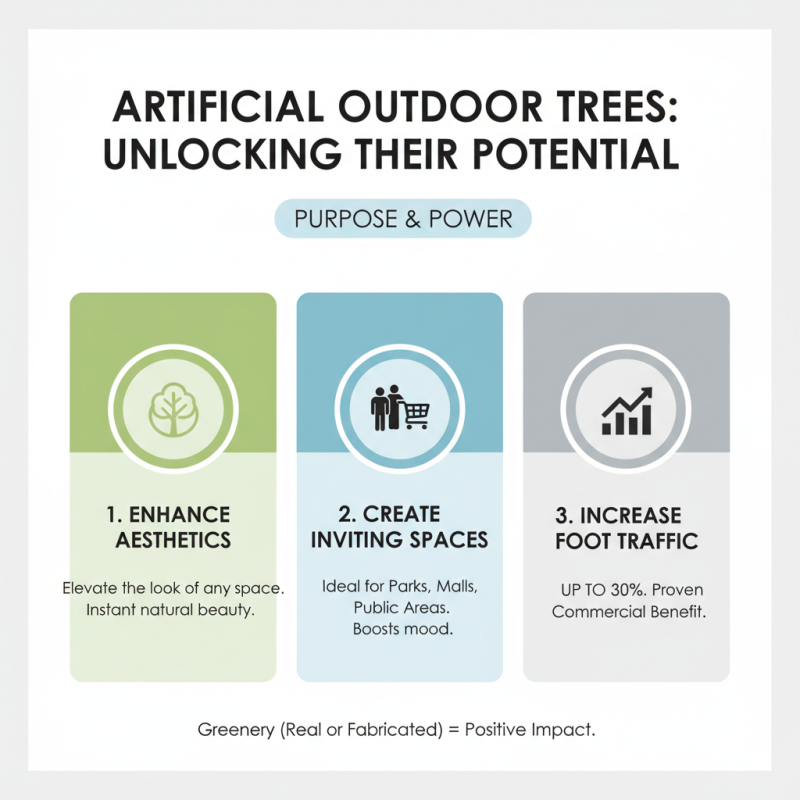
Artificial outdoor trees serve various purposes, enhancing the aesthetic appeal of spaces. They can create a welcoming environment in public areas such as parks or shopping centers. Research indicates that well-designed landscaped areas can increase foot traffic by up to 30%. This fact highlights the power of greenery, even if it’s fabricated.
Choosing the right artificial tree involves understanding its intended use. For example, an artificial palm tree could beautify a beachfront café. Similarly, a faux oak may provide shade in a commercial outdoor setting. Authenticity in appearance is crucial; a study found that 78% of consumers favor lifelike trees over those that look unrealistic.
Maintenance is another aspect to consider. Real trees require ongoing care, but artificial alternatives do not. This can lead to significant reductions in landscaping costs. However, low-quality materials can fade over time, requiring replacements sooner than expected. Reflecting on these factors can lead to a more informed purchase decision.
Evaluating Different Types of Materials and Their Durability
When selecting an artificial outdoor tree, material matters significantly. Common materials include polyethylene, PVC, and silk. Polyethylene offers durability and UV resistance. It withstands harsh weather, making it a popular choice. However, the texture may not always look realistic. PVC can be more affordable but has a short lifespan. It may fade or become brittle over time. Silk trees provide a more natural appearance but can be more vulnerable to outdoor conditions. Each material presents unique pros and cons.
Tips: Always inspect the construction quality. Look for reinforced joints and realistic color variations. Check for warranties, which often indicate manufacturer confidence in product durability.
Consider your environment when choosing a tree. If you live in a humid area, a material with moisture resistance is essential. If it’s windy, ensure the tree has a sturdy base. Reviewing customer reviews can highlight what others experienced. Some may share struggles with specific materials fading or receiving damage over time. These experiences can illuminate potential pitfalls.
Careful evaluation of materials can lead to a choice that enhances your outdoor space effectively.
Assessing Size and Placement for Optimal Visual Impact
When choosing an artificial outdoor tree, size and placement play crucial roles. A large tree may dominate a small garden, making it feel cramped. Conversely, a tiny tree could become lost amidst vast spaces. Consider the dimensions of your area. A well-sized tree enhances the overall aesthetic.
Placement is equally vital. Position your tree where it can shine, perhaps near a pathway or in sight of a window. This draws attention and creates focal points. Think about the surrounding elements too. An artificial tree should complement existing features while offering a natural feel.
Assessing these factors takes time and reflection. You might think you’ve picked the right size, only to find it overwhelms the space. Experiment with different placements. It’s okay to adjust and rethink your decisions. Creating harmony in your outdoor space should be a process of exploration.
How to Choose the Best Artificial Outdoor Tree for Your Needs?
| Tree Type |
Height (ft) |
Width (ft) |
Ideal Placement |
Visual Impact Rating |
| Faux Palm Tree |
6 |
4 |
Poolside, Patio |
High |
| Artificial Birch Tree |
7 |
3 |
Garden, Entrance |
Medium |
| Fake Maple Tree |
5 |
3 |
Patio, Balcony |
Medium |
| Pine Tree Replica |
8 |
5 |
Garden, Lawn |
High |
| Cherry Blossom Tree |
6 |
4 |
Entryway, Front Yard |
Very High |
Choosing Realistic Aesthetics and Color Variations
When selecting an artificial outdoor tree, realism is key. The aesthetics should mirror nature closely. Look for trees with varied leaf shapes and textures. The color should reflect real-life counterparts. For instance, a vibrant green might look appealing, but consider how natural colors shift with seasons. A mix of hues can add depth and interest.
Another aspect to explore is the size and scale of the tree. Larger trees can dominate a space. Smaller ones might blend in more. Think about placement. An incorrectly sized tree can make a yard feel cluttered or vacant. Choose one that complements existing landscaping. Ensure its look is cohesive with your outdoor decor.
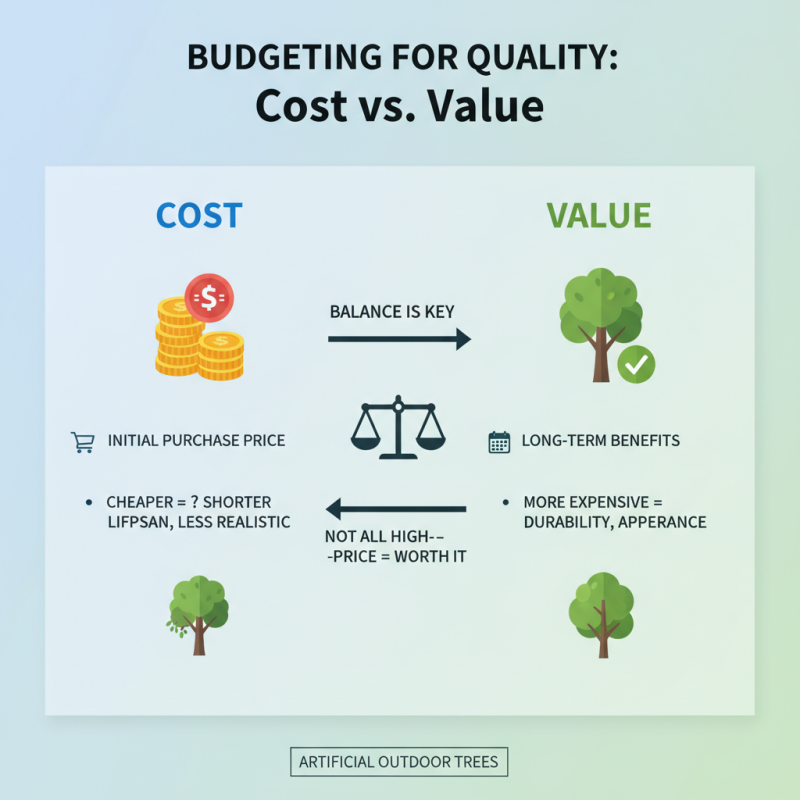
Finally, take a moment to assess the overall quality. Some artificial trees can look great but feel flimsy. Pay attention to the materials used. Plastic may fade over time. While an affordable option seems tempting, it might lack longevity. Investing in a well-crafted piece can save you from frequent replacements. Always weigh the aesthetics against practicality.