How to Choose the Best Artificial Hanging Leaves for Your Home?
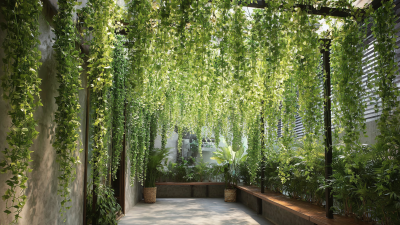
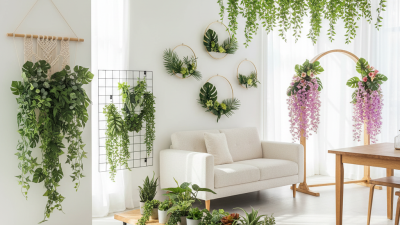
Choosing the right artificial hanging leaves for your home can greatly enhance your living space. These plants add a touch of nature without the need for maintenance. However, not all artificial hanging leaves are created equal. It’s crucial to consider quality, design, and your personal style.
Explore the variety available online and in stores. You may find vibrant colors or subtle greens that suit your decor. Yet, be wary of overly glossy finishes, as they can seem less realistic. Natural textures often provide a more authentic look. Quality matters; inspect the materials used to ensure they remain attractive over time.
Finding the best artificial hanging leaves also requires reflection on your home’s ambiance. Do they complement your existing decor? Are they easy to install? Sometimes, we overlook practical details in favor of aesthetics. Consider how they interact with light and space. The right selection can contribute greatly to your home's warmth and charm.
Factors to Consider When Selecting Artificial Hanging Leaves
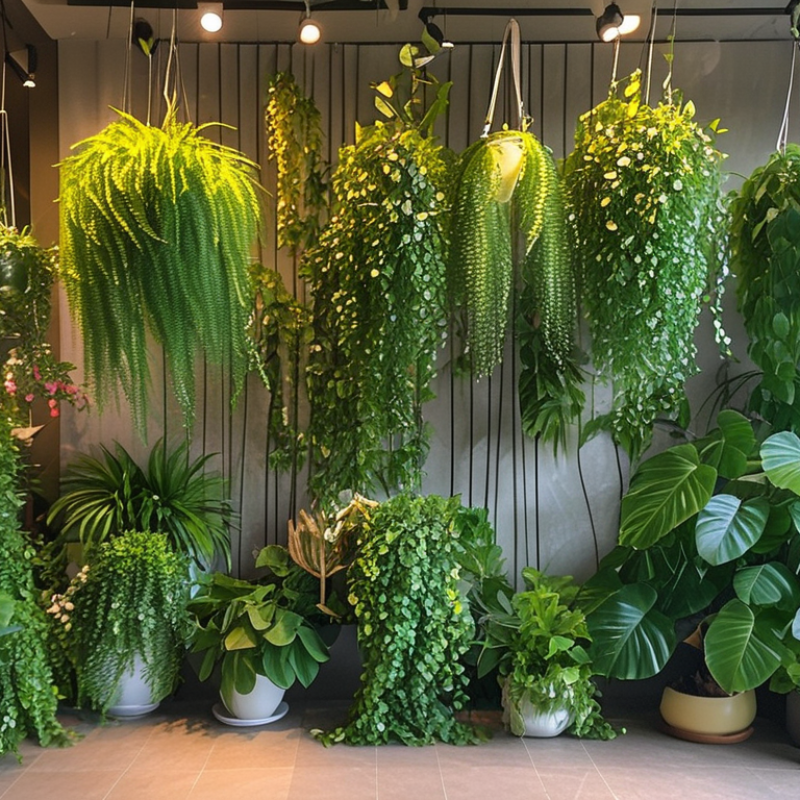
When selecting artificial hanging leaves, consider material quality. Many options mimic real plants. Look for realistic textures and colors. Check if they fade in sunlight. Some materials deteriorate faster than others. Durability matters, especially for outdoor use. Synthetic fibers like polyester are often preferred. They resist moisture and last longer.
Another important aspect is the design style. Artificial leaves come in various shapes and sizes. Think about the space you want to enhance. Large leaves can create a bold statement. Smaller, delicate varieties can add subtle beauty. Choose a mix for depth and variety. It’s helpful to visualize them in your space.
Lastly, reflect on maintenance needs. While artificial leaves require less care than real ones, they do need cleaning. Dust can accumulate, impacting their appearance. Consider ease of cleaning when making your choice. Evaluate whether you can commit to occasional upkeep. A thoughtful selection can elevate your home decor and prevent regrets later.
Materials and Quality: Ensuring Realism and Durability
When selecting artificial hanging leaves for your home, materials play a crucial role. High-quality plastics mimic the texture of real leaves. Look for UV-protected products to avoid sun damage. This ensures the colors remain vibrant and true to life over time. Some items even incorporate silk for a more delicate appearance, adding elegance to your decor.
Durability is often overlooked, yet essential when choosing decorative pieces. Options that withstand humidity and temperature changes are valued. Water-resistant leaves can be a good choice for kitchens or bathrooms. However, not all products offer the same level of durability. Some may fade quicker than others, leading to an uneven look. Therefore, it’s wise to read user reviews. They can provide insights into how well the materials hold up in different environments.
Consider the weight of the leaves when hanging them. Lightweight options are easier to manage but might look less realistic. On the other hand, heavier materials can offer a more authentic appearance yet may require sturdier support. Balancing these factors is vital in achieving a natural look that enhances your home while ensuring longevity.
Material and Quality Comparison of Artificial Hanging Leaves
Choosing the Right Style to Match Your Home Decor
Choosing the right style of artificial hanging leaves can significantly enhance your home decor. The visual appeal of greenery can transform a space. According to a recent industry report, incorporating plants can boost mood and productivity by 15%. However, not all styles suit every environment. For instance, a modern minimalist home may benefit from sleek, symmetrical foliage. In contrast, a rustic space may call for lush, cascading leaves.
When selecting hanging leaves, consider color and texture. A monochromatic palette can offer serenity. Vivid greens can add energy. The right texture can replicate nature, grounding your decor. Approximately 60% of homeowners prefer leaf varieties that are easy to maintain. Yet, many underestimate how these choices impact overall ambiance. Choosing leaves that blend with your furnishings is crucial. Elegant pastel shades might clash with vibrant furniture.
Lighting influences how artificial leaves appear. A well-lit space can make even synthetic greenery look realistic. However, harsh lights may expose flaws. Reflection and shadow can either enhance or diminish their allure. Be mindful of your home's natural light. Incorrect choices can lead to unsatisfactory results. Therefore, take time to experiment and reflect on how different styles interact with your existing decor.
How to Choose the Best Artificial Hanging Leaves for Your Home?
| Style |
Material |
Color |
Length |
Maintenance |
| Fiddle Leaf Fig |
Plastic |
Green |
3 feet |
Wipe with a damp cloth |
| Trailing Ivy |
Silk |
Dark Green |
2 feet |
Light dusting |
| Monstera Leaf |
Plastic |
Bright Green |
4 feet |
Occasional rinse |
| String of Pearls |
Mixed Material |
Green with White Tips |
1.5 feet |
Simple wipe |
Color Variations: Finding the Perfect Shade for Your Space
Choosing the perfect shade of artificial hanging leaves is crucial for your home's ambiance. Color can greatly influence mood and perception. A study revealed that 62% of homeowners believe color impacts their overall happiness at home. This underscores the importance of selecting the right shades for your space.
When exploring color variations, consider the natural environment of your area. Different regions showcase unique foliage shades. For example, tropical areas boast vibrant greens and yellows. Meanwhile, temperate regions often feature deeper greens or muted earthen tones. Understanding these nuances can help you make a more informed decision.
It's also essential to think about the interior colors of your home. Will the hanging leaves complement or clash with existing decor? A report from the Design Institute notes that complementary color schemes enhance harmony in a room. However, striving for perfection can lead to frustration. Sometimes, embracing mismatched shades can produce an unexpected charm. Finding the right balance may take time and experimentation, but it leads to a more personalized space.
Care and Maintenance Tips for Artificial Hanging Leaves
Artificial hanging leaves are an appealing choice for home decor. However, maintaining their beauty requires some effort. Regular dusting is crucial. Use a soft, dry cloth or a duster. This simple act prevents dust buildup and keeps them looking fresh. Experts recommend once a week for optimal care.
Occasionally, you might notice discoloration or fading. Excess sunlight can contribute to this issue. Consider rotating their position to mitigate direct exposure. A study by the American Society of Interior Designers notes that indoor plants can increase mood and productivity. While artificial leaves lack the oxygen benefits of real plants, their maintenance can be low. Still, achieving an authentic look is key.
Always check for signs of wear and tear. Some artificial leaves may develop tears or frays. Replacing these items can restore a vibrant appearance. There's also the idea of blending both real and artificial plants for depth. The combination could create a more dynamic visual experience, balancing ease of care with the natural aesthetic. Regular attention to maintenance habits can yield satisfying results. Adjusting placement and occasionally refreshing your decor can keep your space lively and inviting.