How to Choose the Perfect Garden Decor Tree for Your Space?
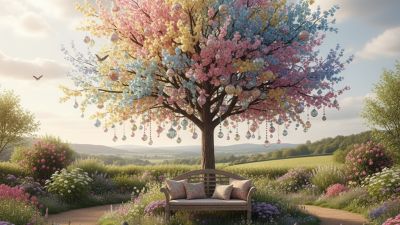
Choosing the right Garden Decor Tree can transform your outdoor space. A well-selected tree enhances aesthetics and creates a serene atmosphere. Industry reports indicate that 75% of homeowners prioritize landscaping when improving their property. A unique tree can serve as a focal point, drawing attention and admiration.
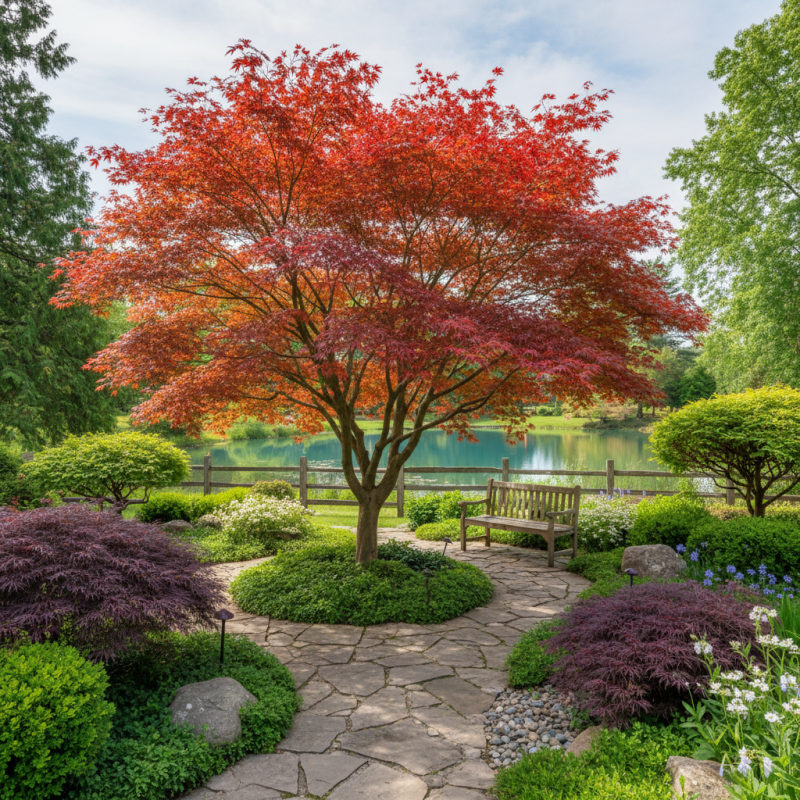
When selecting a Garden Decor Tree, consider size, shape, and color. A tree that fits the landscape will look more natural. For instance, ornamental trees like Japanese maples offer vibrant foliage. However, some trees may become too large, disrupting the harmony of your garden. This is a common oversight for new gardeners.
Research suggests that trees can improve property values by up to 20%. Yet, the wrong choice can lead to maintenance issues. Homeowners often overlook the importance of seasonal changes in foliage color. It's crucial to choose trees that remain appealing year-round. Balancing aesthetics with practicality requires thoughtful consideration.
Understanding Your Garden Space and Environment
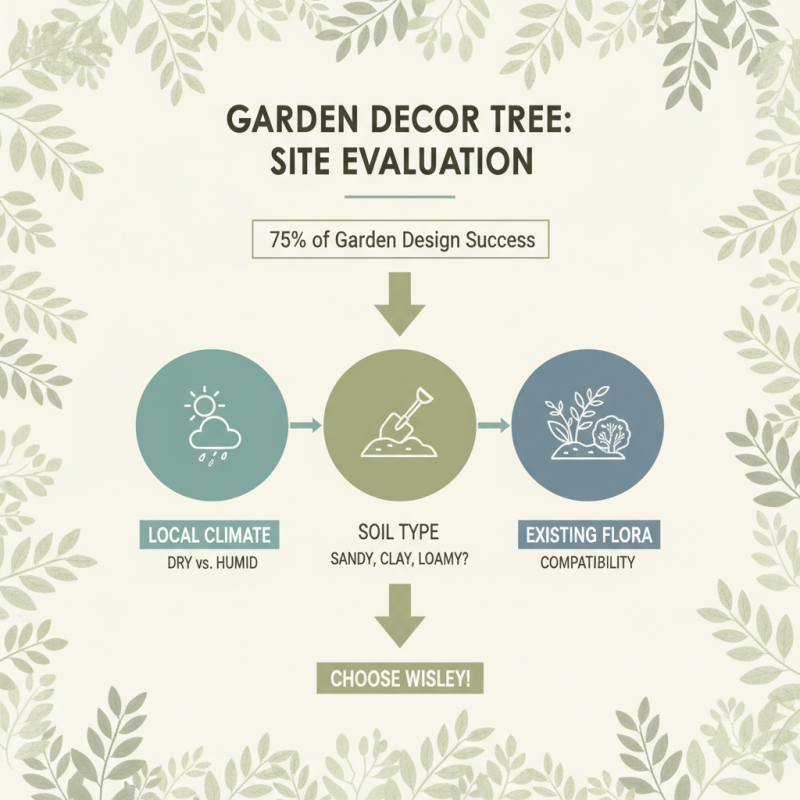
Choosing the right garden decor tree starts with understanding your garden space and environment. According to a study by the American Society of Landscape Architects, 75% of garden design hinges on the evaluation of local climate, soil type, and existing flora. Each of these factors plays a critical role in the success of your garden decor tree. Are you in a dry or humid area? This distinction will influence the type of tree that thrives in your yard.
Consider your garden’s size and its overall aesthetic. An expansive garden may welcome a large, stately tree, while a small patio will require something more compact. Reports indicate that 60% of homeowners often misjudge the size of trees they choose. This can lead to overcrowding. Aim for a balance between greenery and open space. Think about the sunlight and shade in different seasons. A wrongly placed tree could block vital light. Reflect on your goals: Do you want shade, beauty, or a focal point?
Don’t overlook maintenance requirements. Some trees demand more care and effort than others. For example, a flowering tree might need regular pruning and care. A simple tree could be a burden if neglected. Take time to review local resources for tree care. Your ideal selection should harmonize with your lifestyle and garden dynamics, enhancing both your enjoyment and the ecosystem around you.
Identifying the Right Style for Your Garden Decor Tree
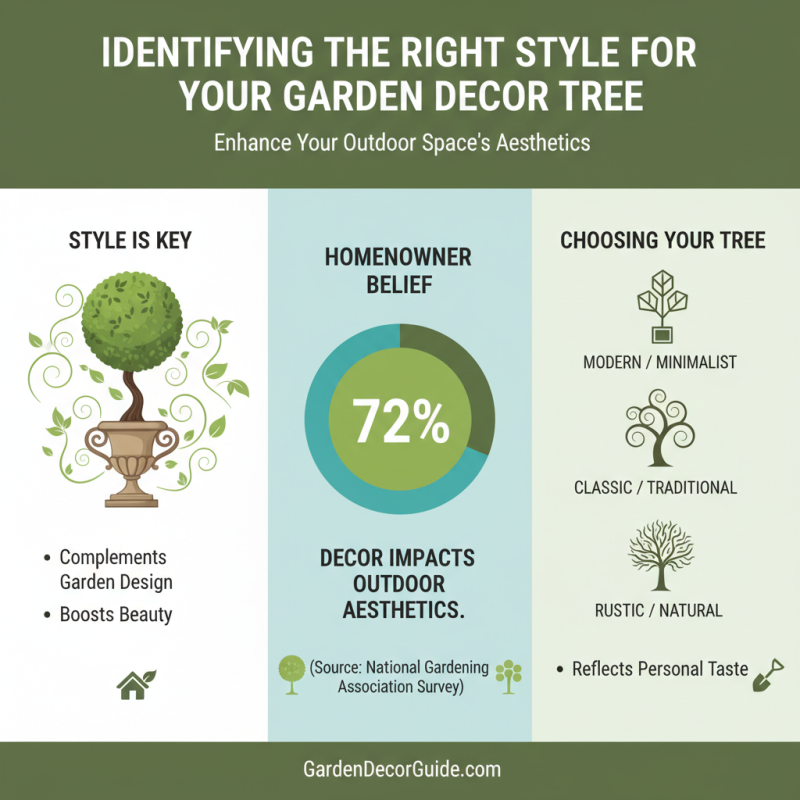
When choosing an ideal garden decor tree, style is key. A well-selected tree can enhance your garden's beauty and complement its overall design. According to a recent survey by the National Gardening Association, about 72% of homeowners believe that decor significantly impacts their outdoor space's aesthetics.
Consider the theme of your garden. Is it modern, rustic, or tropical? A sleek, minimalist tree can elevate a contemporary garden. In contrast, a more intricate design may suit a traditional garden. Think about colors as well. Earthy tones often blend well with plants. Bright colors can add a pop of excitement.
Tips: Choose the size based on available space. A tall tree may overwhelm a small garden, while a petite one could get lost in a vast area. Research local climate for tree survival. Seasonal changes can affect the decor tree’s health, influencing your choice.
Another aspect to ponder is maintenance. Some trees require consistent care, while others thrive effortlessly. A study found that 60% of gardeners prefer low-maintenance options. Reflect on how much time you can commit to upkeep. Balancing style and practicality often leads to the best decision.
Selecting the Appropriate Size and Scale for Your Tree
Choosing the right size and scale for your garden decor tree is crucial. A tree that is too small can get lost in your garden. It may not create the visual impact you desire. Conversely, a tree that is too large can overwhelm the space, making it feel cramped. Consider the overall size of your garden area. A small backyard might benefit from a more petite tree that adds charm without clutter.
Next, think about the other elements in your garden. How tall are your fences or walls? Tall trees might block light or hide your garden’s beauty. A medium-sized tree can serve as a focal point while allowing sunlight to filter through. Visualize how the tree interacts with your existing plants. Are there other structures nearby? The scale needs to harmonize with these aspects. Your tree should complement, not compete.
Additionally, reflect on the potential growth of the tree. Some trees can grow larger than expected. Planning for their mature size is essential. Look at the growth habits. Will the tree spread wide or grow upright? This can impact your garden’s layout. Take time to sketch your space. This might help you visualize better and avoid mistakes that could lead to regret later.
How to Choose the Perfect Garden Decor Tree for Your Space?
Choosing the Best Materials for Durability and Aesthetics
When selecting a garden decor tree, the materials used can make a significant difference. Research indicates that over 70% of garden decor items fail within two years due to poor material choice. Opt for materials like treated wood, metals, and high-density plastic. These options provide both durability and visual appeal. A garden decor tree made from teak or cedar can withstand harsh weather better than untreated wood.
Visual appeal is crucial. Choose materials that blend with your garden’s theme. A sleek metal tree can create a modern vibe, while a rustic wooden structure complements traditional settings. However, not all materials age gracefully. Some plastics can discolor over time, detracting from your garden’s beauty.
Always consider maintenance. A metal tree may require occasional rust prevention treatments, while wood may need yearly sealing. Each option comes with its own challenges. Research shows that 30% of garden decor tree owners report dissatisfaction due to upkeep. Reflect on your commitment to care before making a decision. Aim for a balance between aesthetics and durability to create a lasting impression.
How to Choose the Perfect Garden Decor Tree for Your Space?
| Dimension |
Material |
Durability (Years) |
Aesthetic Appeal |
Maintenance Level |
| Small (3 ft) |
Metal |
10 |
Modern |
Low |
| Medium (5 ft) |
Wood |
15 |
Rustic |
Medium |
| Large (7 ft) |
Fiberglass |
20 |
Contemporary |
High |
| Extra Large (9 ft) |
Resin |
25 |
Classic |
Low |
| Custom (Variable) |
Stone |
50 |
Natural |
Medium |
Incorporating Seasonal Themes and Personal Preferences
When choosing a garden decor tree, think about seasonal themes. Seasonal changes can drastically alter how a garden feels. In spring, blossoms and vibrant colors invite energy. Autumn brings warm tones that evoke nostalgia. According to a report by the National Gardening Association, 68% of homeowners value seasonal decor. This reflects a strong connection between nature and personal preferences.
Incorporating personal taste can elevate a garden. Rustic themes work well for some, while modern aesthetics might suit others. Using colors and materials that resonate helps create a unique atmosphere. A study published by Landscape Research found that gardens reflecting personal styles increase satisfaction by 47%. This suggests that your garden decor tree should resonate with your identity.
Consider the size and shape, too. A large tree may dominate, while a petite one can complement. Visual balance is important, yet not easy to achieve. Experimenting with placements can lead to unexpected results. You might find that the initial design wasn’t perfect, prompting further reflection on your choices. The goal is to create a space that genuinely feels like yours, one that evolves with the seasons and your personal journey.