How to Choose the Perfect Artificial Plant Bonsai for Your Home Decor
In the world of interior decor, the charm of greenery is undeniable, and artificial plant bonsais have emerged as a popular choice for homeowners seeking a touch of nature without the upkeep. According to Dr. Emily Green, a renowned expert in the field of artificial flora, “The right artificial plant bonsai can transform a space, bringing warmth and personality without the need for maintenance.” This statement encapsulates the essence of why many are turning to artificial plant bonsais for their home decor.
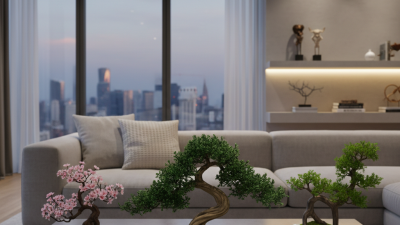
Choosing the perfect artificial plant bonsai involves understanding the variety of styles available, the materials used, and how they can enhance your living space. With their lifelike appearance and versatility, artificial bonsais can suit any room, blending seamlessly with various decor themes. They offer an opportunity not only to beautify a home but also to create a calming atmosphere, mimicking the tranquility of a natural setting. In this guide, we will explore key considerations to help you select the ideal artificial plant bonsai that reflects your personal style and fulfills your design aspirations.
Understanding the Basics of Artificial Plant Bonsai Selection
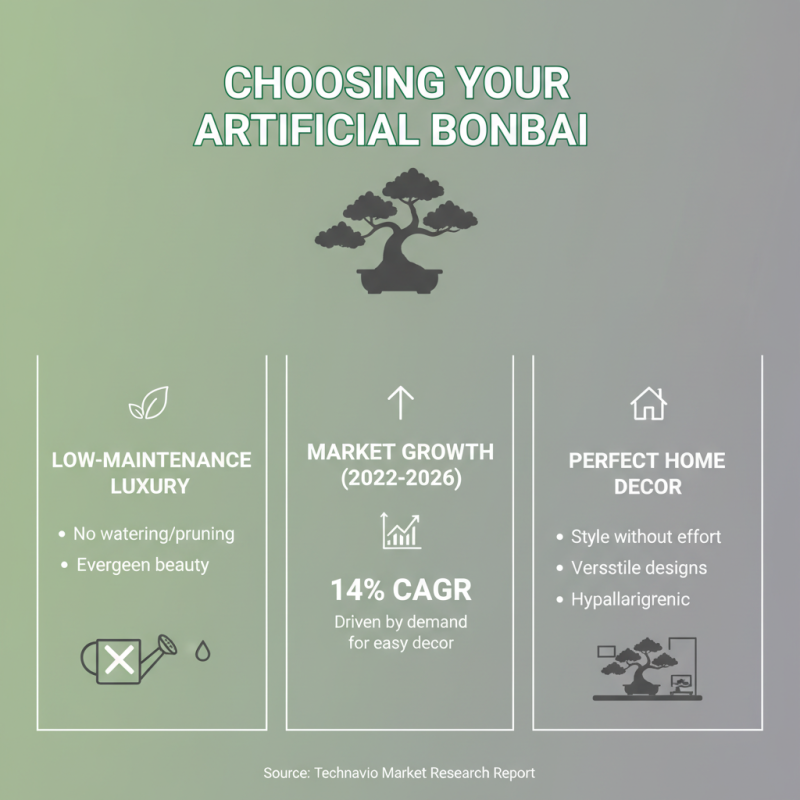
When selecting the perfect artificial plant bonsai for your home decor, it’s essential to understand the fundamental factors that contribute to a successful choice. According to a recent market research report by Technavio, the global artificial plants market is projected to grow at a CAGR of 14% from 2022 to 2026, driven by the increasing demand for low-maintenance decorative options. This growth highlights consumers' preference for stylish decor that requires minimal effort, making artificial bonsai an appealing choice.
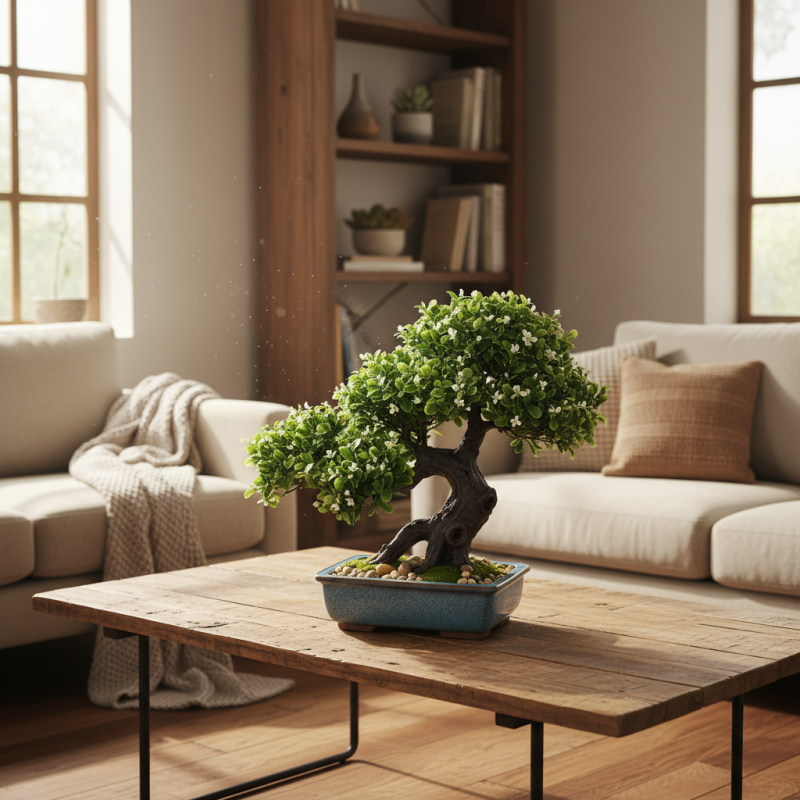
In the selection process, consider the materials used in the artificial bonsai’s construction. High-quality options often feature realistic foliage made from UV-resistant plastic that can withstand sunlight without fading. Moreover, the design should be proportionate and true to life; research from the American Society of Interior Designers emphasizes the importance of scale and realism in creating a cohesive interior aesthetic. While color is subjective, opting for bonsai that mirrors natural variations will help enhance your space’s ambiance. Additionally, the size and placement of these plants can impact the overall design, as larger pieces can serve as focal points, while smaller ones may complement existing decor. With careful consideration of these elements, you can select an artificial plant bonsai that not only fits your style but also enriches your living environment.
Identifying Your Home Decor Style and Color Scheme
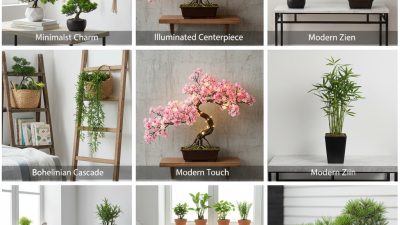
When choosing the perfect artificial plant bonsai for your home decor, it is essential to first identify your home decor style and color scheme. According to a recent survey by the International Society of Indoor Plant Professionals, over 70% of homeowners believe that indoor plants enhance the aesthetic of their living spaces. Knowing whether your style leans towards contemporary, traditional, or eclectic can guide your selections. For instance, a minimalist aesthetic may benefit from a sleek, simple bonsai design, while a bohemian space might call for a more whimsical or colorful option.
Color schemes significantly influence the selection process as well. Research by the Pantone Color Institute indicates that the color palette of a room affects mood and ambiance. When selecting an artificial bonsai, consider the dominant hues in your decor. A bonsai featuring lush greens can complement neutral tones, inject life into a monochromatic palette, or harmonize with warm earth tones. Conversely, choosing a bonsai with hints of colored foliage can provide a pop against darker backgrounds, drawing the eye and creating focal points within the room. By thoughtfully matching your bonsai to your decor style and color scheme, you can elevate the overall aesthetic of your home.
Popularity of Different Artificial Plant Styles for Home Decor
Evaluating Material Quality and Realism in Artificial Bonsai
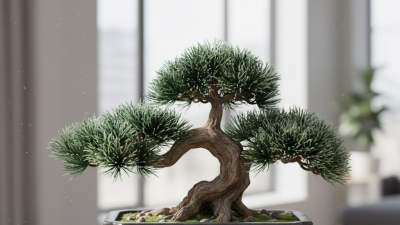
When choosing the perfect artificial plant bonsai for your home decor, evaluating the material quality is crucial to ensure longevity and aesthetic appeal. High-quality artificial bonsais are typically made from durable plastics, silk, or polyester materials that mimic the look and feel of real plants. The intricacy of the details—including leaf veins, coloration, and texture—can significantly enhance realism. Opting for products that feature UV-resistant properties is another way to ensure the bonsai retains its vibrant colors, especially if displayed in areas with abundant sunlight.
Tips: Always inspect the construction of the bonsai; ensure that branches are flexible yet sturdy, allowing you to adjust them to your preferred shape. Look for plants that have a weighted base, which adds stability and prevents tipping over, especially in homes with pets or children.
Evaluating realism is also essential. The best artificial bonsais will exhibit variations in leaf size and orientation, similar to naturally grown plants. When shopping, consider the scale of the bonsai in relation to your furniture and space. A well-proportioned bonsai can enhance the overall design of your decor, providing a touch of nature without the upkeep of real plants. Consider using multiple bonsais with different heights and textures to create a visually appealing arrangement.
Considering Size and Placement for Optimal Home Aesthetics
When selecting an artificial plant bonsai for your home decor, size and placement play crucial roles in achieving optimal aesthetics. According to a report by the National Gardening Association, nearly 80% of homeowners consider the size of plants as a primary factor in their purchasing decisions. This is because the dimensions of your bonsai will directly influence the spatial balance and harmony of your environment. For smaller spaces, such as apartments or cozy nooks, choose a compact bonsai that complements the existing decor without overwhelming it. Conversely, in larger rooms, a more substantial bonsai can serve as a statement piece, drawing attention and enhancing the overall ambiance.
Placement is another critical aspect to consider. A study published in the Journal of Environmental Psychology found that strategically positioning plants can significantly affect mood and perception of space. For instance, placing an artificial bonsai near a window can create a natural focal point, while positioning it on a shelf or table can add layers to your decor. Additionally, consider the lighting conditions of your chosen location; while artificial plants require no sunlight, their placement can enhance their visual appeal. Aim to position your bonsai where it can interact harmoniously with other decor elements, contributing to a serene and inviting atmosphere throughout your home.
Maintenance Tips for Keeping Your Artificial Bonsai Looking Fresh
When you choose an artificial bonsai for your home decor, maintenance is crucial for ensuring its long-lasting aesthetic appeal. One of the simplest yet most effective tips is regular dusting. Use a soft, dry cloth or a microfiber duster to gently wipe the leaves and branches, which helps maintain their vibrant appearance. For stubborn dirt, a slightly damp cloth can be utilized; however, make sure to dry the plant thoroughly afterward to prevent moisture buildup that could affect the material.
In addition to dusting, consider keeping your artificial bonsai out of direct sunlight. Prolonged exposure can cause the colors to fade over time. Instead, position your bonsai in a location with indirect light to preserve its natural beauty and luster. If your bonsai is in a high-traffic area, a periodic rearrangement can also keep it looking fresh and vibrant. For added care, occasionally check the structure to ensure all components are secure and make adjustments if necessary, thus maintaining both its form and function in your decor.