Why Choose Artificial Trees for Your Business Needs?
Artificial Trees have become a popular choice for businesses seeking sustainable solutions. These innovative structures offer numerous benefits, making them an attractive option for various industries. They mimic natural trees while providing additional advantages, like enhanced durability and adaptability.
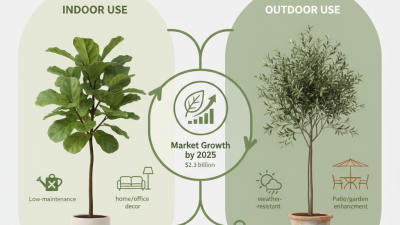
One of the most significant aspects of Artificial Trees is their low maintenance requirements. Unlike real trees, they do not need regular care, such as watering or pruning. This feature saves time and resources for businesses. Additionally, Artificial Trees can be designed to fit specific needs, showcasing originality and creativity.
Sustainability is a core concern for many organizations today. Artificial Trees provide a way to promote eco-friendliness without compromising aesthetics. They can improve air quality and enhance the overall atmosphere. However, it's important to evaluate the materials used in their production, as they can vary widely. Not all options may align with sustainable practices. In this regard, careful consideration of manufacturers is crucial.
Advantages of Artificial Trees for Businesses
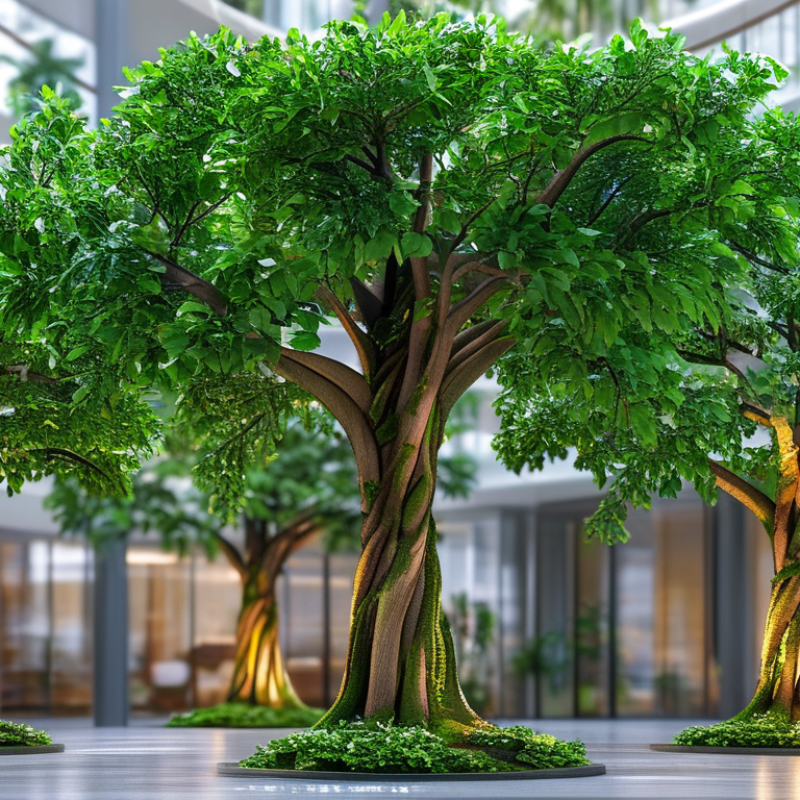
Artificial trees present a sustainable and eye-catching option for businesses looking to enhance their environments. These structures mimic the beauty of real trees without the need for upkeep. They do not shed leaves or need watering, making them a hassle-free choice. Additionally, they can be placed indoors or outdoors, adapting easily to various spaces. This flexibility allows businesses to create an inviting atmosphere without the challenges of live plants.
Moreover, artificial trees can contribute to energy savings. They provide shade when used outdoors, helping to reduce cooling costs. Inside, they can improve air quality by adding natural elements that can elevate mood and surroundings. Businesses often seek ways to improve employee satisfaction, and the presence of greenery is known to have positive effects. However, it’s important to evaluate the aesthetic fit of artificial trees with the overall design of a space. Sometimes, their appearance may lack the organic feel of live trees.
Investing in artificial trees may pose challenges. Their initial cost might be higher than some live plants, and choosing the right type is essential. Not all designs suit every business theme. It requires thought to ensure that these trees genuinely enhance the space. Proper consideration is key to achieving the desired impact while maintaining credibility in environmental responsibility.
Why Choose Artificial Trees for Your Business Needs?
Artificial trees offer numerous advantages for businesses. The following chart illustrates the benefits perceived by businesses utilizing artificial trees compared to natural trees across several dimensions.
Cost-Effectiveness of Artificial Trees in Commercial Spaces
Artificial trees are becoming increasingly popular in commercial spaces due to their cost-effectiveness. A recent industry report indicates that incorporating artificial trees can reduce maintenance costs by up to 80%. Businesses can save significantly on water, fertilizer, and labor associated with live plants. For instance, in large retail environments, the initial investment in artificial trees can yield returns within a year through reduced upkeep.
Additionally, artificial trees maintain their appearance year-round, offering consistency in branding and ambiance. According to a survey by the Green Building Council, 68% of businesses see a positive impact on customer satisfaction with well-maintained foliage, whether real or artificial. However, it is vital to consider that while artificial plants require less maintenance, they do have an initial cost that some companies may find challenging.
Moreover, there’s a growing concern regarding sustainability. Though synthetic materials are used, many manufacturers are now producing eco-friendly options. Businesses must weigh the benefits of aesthetic appeal against their environmental responsibilities. By making informed decisions, companies can find a balance that meets both budgetary and ethical considerations.
Environmental Benefits of Using Artificial Trees
Artificial trees are an innovative solution for businesses focused on sustainability. Unlike natural trees, they do not require water or sunlight. This makes them ideal for urban environments where traditional greenery may struggle. Artificial trees can improve air quality by mimicking the function of real trees. They filter harmful pollutants and release oxygen, creating a healthier atmosphere.
The use of artificial trees contributes to biodiversity. By providing habitats for urban wildlife, they enhance local ecosystems. They also help combat urban heat. By strategically placing these structures, businesses can reduce surrounding temperatures. This can lead to decreased energy costs as buildings require less air conditioning.
Despite their benefits, businesses must consider their environmental impact carefully. The materials used in artificial trees should be sustainable and recyclable. Organizations need to select high-quality options to ensure longevity. This choice reflects a commitment to the environment, enhancing a company's reputation. Adopting artificial trees is a step towards greener practices. However, finding the perfect balance between aesthetics and sustainability remains a challenge.
Versatility and Customization Options for Business Environments
Artificial trees offer remarkable versatility for business environments. They come in various designs and sizes, fitting seamlessly into any space. Businesses can customize the look to match their brand identity. This flexibility enhances the overall aesthetic while making a memorable impression on clients and employees alike.
Moreover, the customization options extend beyond appearance. Artificial trees can serve specific functions, such as improving air quality or sound absorption. This makes them not just decorative elements, but practical additions to the workspace. Businesses can choose the type of foliage or style that aligns with their unique needs.
However, it's essential to recognize that not all artificial trees are created equal. Some may lack durability, while others may not look lifelike enough. Careful selection is crucial to ensure that the final choice adds value. Reflection on these factors enables businesses to make informed decisions about incorporating artificial trees into their environments.
Maintenance Requirements for Artificial Trees in Business Settings
Artificial trees can be a practical choice for businesses looking to enhance their environment. Unlike natural trees, they require less maintenance while still providing aesthetic value. A report from the National Association of Landscape Professionals indicates that artificial plants can reduce maintenance costs by up to 60%. This is significant for businesses wanting to save resources while improving their space.
Regular cleaning is essential to keep artificial trees looking fresh. Dust accumulation can dull their appearance, leading to a less inviting atmosphere. Utilize a soft cloth or a gentle vacuum to maintain their appearance. Keep in mind, cleaning frequency can vary based on location. For instance, businesses in dusty areas may need to clean more often.
Using artificial trees reduces the need for watering or pruning. However, it's crucial to inspect them periodically for any damage. This can include checking for fading or wear due to UV exposure. Implement a simple inspection routine to catch any issues early. Embrace the benefits but remember, perfection is not guaranteed. A well-maintained artificial tree can still show its age.