Why Choose an Artificial Outdoor Tree for Your Garden?
Creating a vibrant garden space has never been easier, thanks to the advent of the Artificial Outdoor Tree. Renowned horticulturist Dr. Emily Carter once said, “An Artificial Outdoor Tree can transform any garden into a lush retreat.” This statement resonates especially with those who struggle to maintain live plants.
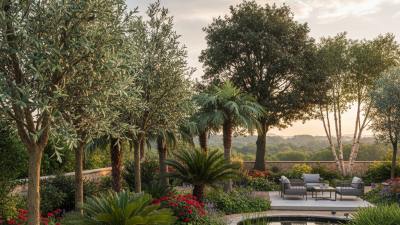
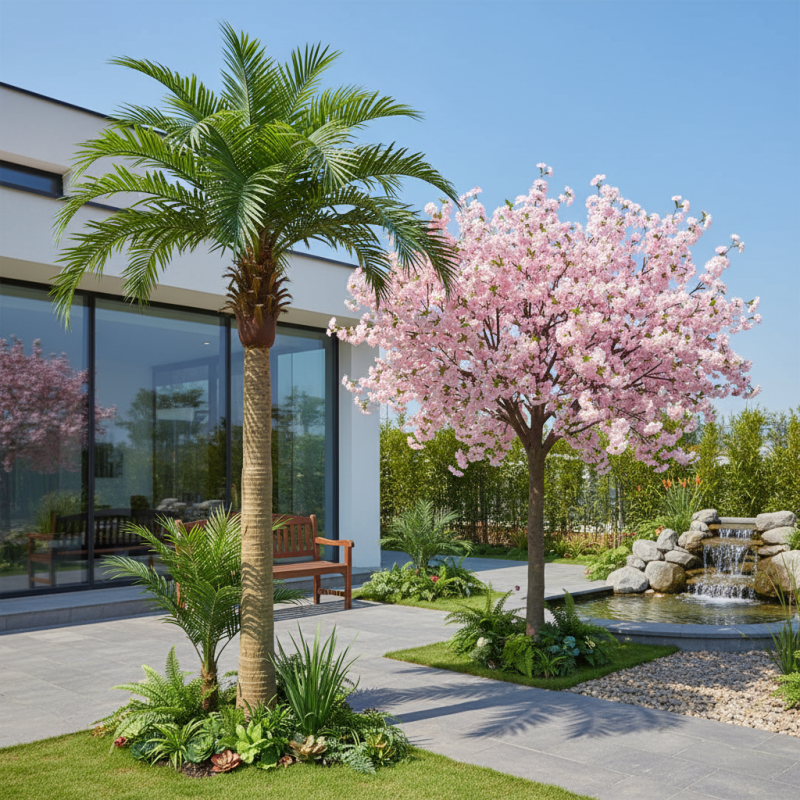
Artificial Outdoor Trees offer endless possibilities for creating unique landscapes. They come in various sizes and styles, catering to diverse aesthetic senses. Imagine a tall, realistic palm creating a tropical vibe or a blooming cherry blossom providing a pop of color. However, not every choice is perfect. Some may argue that they lack the charm of living trees. This is a valid point that deserves reflection.
Investing in Artificial Outdoor Trees also invites discussions about sustainability. While they do not contribute to carbon absorption, they can reduce water usage and maintenance costs. The desire for beauty in our gardens sometimes conflicts with environmental concerns. Balancing aesthetic appeal and ecological responsibility is a challenge. Nevertheless, the rise of Artificial Outdoor Trees offers a modern solution for many garden enthusiasts.
Benefits of Artificial Outdoor Trees for Low-Maintenance Gardening
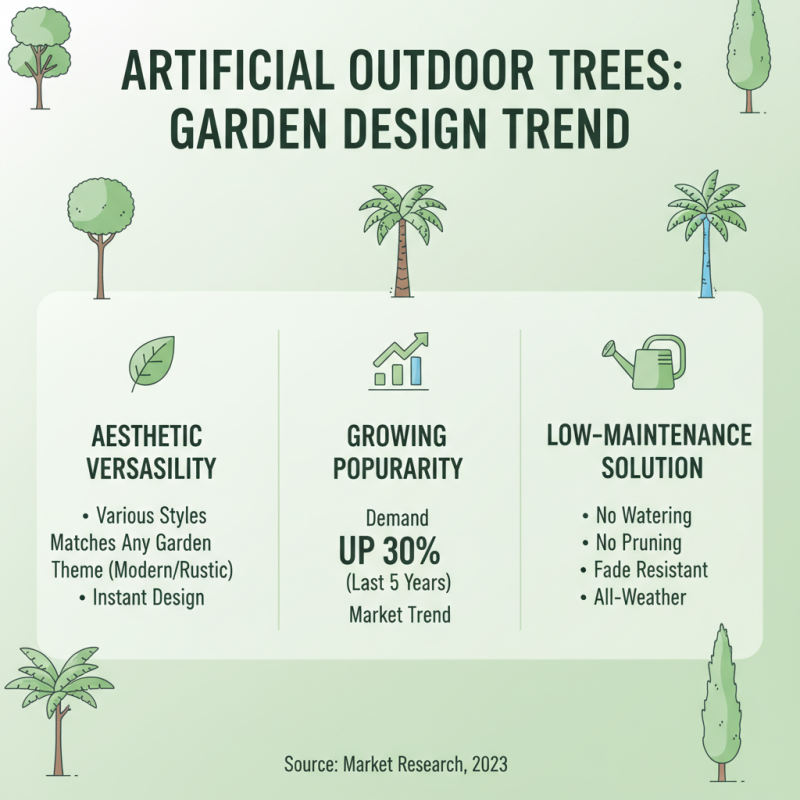
Artificial outdoor trees have become a popular choice for low-maintenance gardening. They offer beauty without the constant upkeep required by real trees. With no need for watering, pruning, or fertilizing, they can significantly reduce your workload. This means more time for you to enjoy your garden.
These trees come in various styles and sizes. Whether you prefer a towering faux oak or a small decorative palm, options are plentiful. They won't wilt in harsh sun or suffer from pests, which is a common issue with live plants. However, some may find that their textures lack authenticity. It's worth considering how they fit into your garden's aesthetic.
Maintenance is minimal, but it’s not zero. Regular cleaning may be necessary to keep them looking vibrant. Dust and debris can accumulate, dulling their appearance. Some users might miss the seasonal changes of real trees. But for a busy lifestyle, the benefits of artificial trees often outweigh these drawbacks. Their permanent presence can still evoke a sense of tranquility in outdoor spaces.
Cost-Effectiveness: Comparing Artificial Trees to Natural Alternatives
When considering garden enhancements, artificial outdoor trees offer a unique blend of beauty and practicality. Cost-effectiveness is a significant reason for choosing these alternatives over natural trees. Natural trees can be demanding, requiring regular maintenance. This includes watering, pruning, and pest control. In contrast, artificial trees require minimal upkeep and last for many years.
Tips: Select materials that resist fading and weathering. Research the installation area for the best fit. Measure dimensions carefully before purchasing.
Artificial trees can be more affordable in the long run. Natural trees often come with high initial costs—especially larger varieties. Furthermore, they can take years to grow and reach maturity. In comparison, artificial trees provide instant gratification. They can transform your garden overnight.
Yet, some may argue that artificial trees lack authenticity. They may not provide the same environmental benefits. This is a nuanced decision, as each gardener has different values and needs. Reflect on what matters to you most when choosing. Your garden should reflect your style, even if that means opting for less conventional choices.
Durability and Longevity: How Artificial Trees Stand Against Weather Elements
When considering an artificial outdoor tree for your garden, durability and longevity are key factors. Artificial trees are designed to withstand harsh weather conditions. According to industry reports, high-quality materials can resist fading and UV damage for up to 10 years. This makes them ideal for sunny and rainy environments alike. Unlike natural trees, they don’t need watering or special care, which can save time and resources.
Moreover, artificial trees offer flexibility in placement. They can thrive in areas where real trees may struggle due to soil conditions or space constraints. However, not all artificial trees are created equal. Some materials can degrade over time, especially in extreme temperatures. A study indicated that 30% of cheaper models may show signs of wear within three years. It’s crucial to choose wisely.
The aesthetic advantage of artificial trees is undeniable. They can maintain their vibrant appearance regardless of season changes. Nevertheless, one must consider the environmental impact of synthetic products. While they offer longevity, we should reflect on their production effects. Balancing visual appeal with sustainability can lead to better choices in garden design.
Aesthetic Versatility: Design Options for Every Garden Style
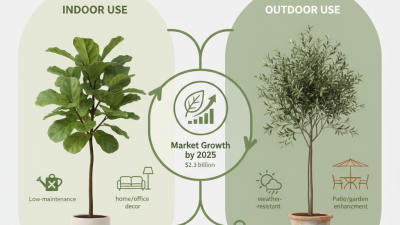
When designing a garden, the choice of plants is crucial. Artificial outdoor trees provide aesthetic versatility. They come in various styles, making it easy to match any garden theme. Whether your garden is modern or rustic, these trees can fit right in. According to market research, the demand for artificial plants has increased by 30% over the past five years. This growth highlights a trend towards low-maintenance solutions.
Incorporating artificial trees can enhance the visual appeal of your space. You can place them in well-defined areas, like near a patio or along a pathway. They can create a focal point without the need for watering or pruning. Use different sizes and shapes for a dynamic look. Choose trees that mimic real ones, capturing their beauty in a hassle-free way.
Tips: Consider the scale of your garden. A small space may benefit from a slender tree, while larger areas can accommodate bulkier designs. Mix and match with real plants for a more natural feel. However, remember that overusing artificial elements may make your garden feel less authentic. Striking the right balance is key for a captivating outdoor space.
Environmental Considerations: Sustainable Practices in Artificial Tree Production
Artificial outdoor trees have become popular for various reasons. One crucial aspect is their environmental impact. In recent years, production methods have evolved, focusing on sustainable practices. Materials used for these trees often include recycled plastics. This minimizes waste and reduces the environmental footprint.
However, it's essential to reflect on the life cycle of these artificial trees. Manufacturing processes can still consume resources. Energy used in production might come from non-renewable sources. Additionally, while the durability of these trees is a benefit, they may not decompose easily when disposed of. Some designs even lack a natural look that can be found in real trees.
Yet, many options on the market work hard to stand out. Sustainable practices are increasingly prioritized. Some companies focus on low-energy production methods. Choosing artificial trees can still support a green initiative if done wisely. As you consider adding them to your garden, weigh the pros and cons carefully. Look for those made with eco-friendly strategies, even as you navigate their imperfections.
Why Choose an Artificial Outdoor Tree for Your Garden? - Environmental Considerations
| Dimension |
Description |
Sustainability Rating |
| Material Used |
Recyclable plastics and natural fibers |
4/5 |
| Energy Consumption |
Low energy required for production and transportation |
4/5 |
| Lifespan |
Longevity of 10+ years without maintenance |
5/5 |
| Impact on Biodiversity |
No disruption to local ecosystems |
5/5 |
| Maintenance |
Minimal required, no water or pesticides |
5/5 |