What is the Best Type of Potted Artificial Plants for Home Decor
In the world of home decor, the allure of nature often finds its way indoors through various means. Among these, "Potted Artificial Plants" stand out as a versatile solution that not only enhances aesthetic appeal but also provides a low-maintenance option for homeowners. According to Dr. Emily Green, a renowned expert in interior plant design, "Potted Artificial Plants offer the beauty of real foliage without the care and commitment, making them an ideal choice for any decor style."
These lifelike alternatives to real plants have flourished in popularity, as they offer the opportunity to enjoy the charm of greenery without the challenges of sunlight, watering, and soil maintenance. From vibrant succulents to lush ferns, the market provides a plethora of options tailored to fit any room or theme, allowing for creative expression and personalized decor.
As we delve deeper into the best types of potted artificial plants for home decor, we will explore various styles, materials, and placement strategies that can transform any space, all while seamlessly integrating the benefits of artificial greenery into everyday living.
Types of Potted Artificial Plants for Home Decor
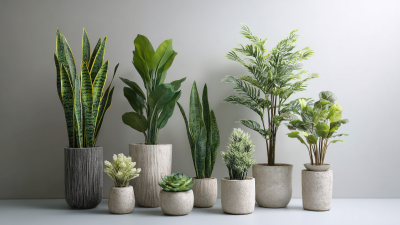
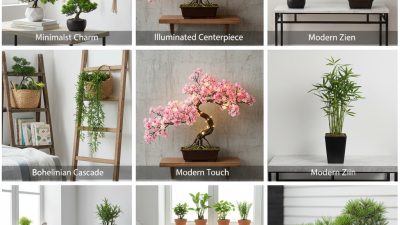
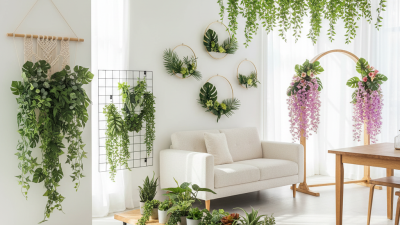
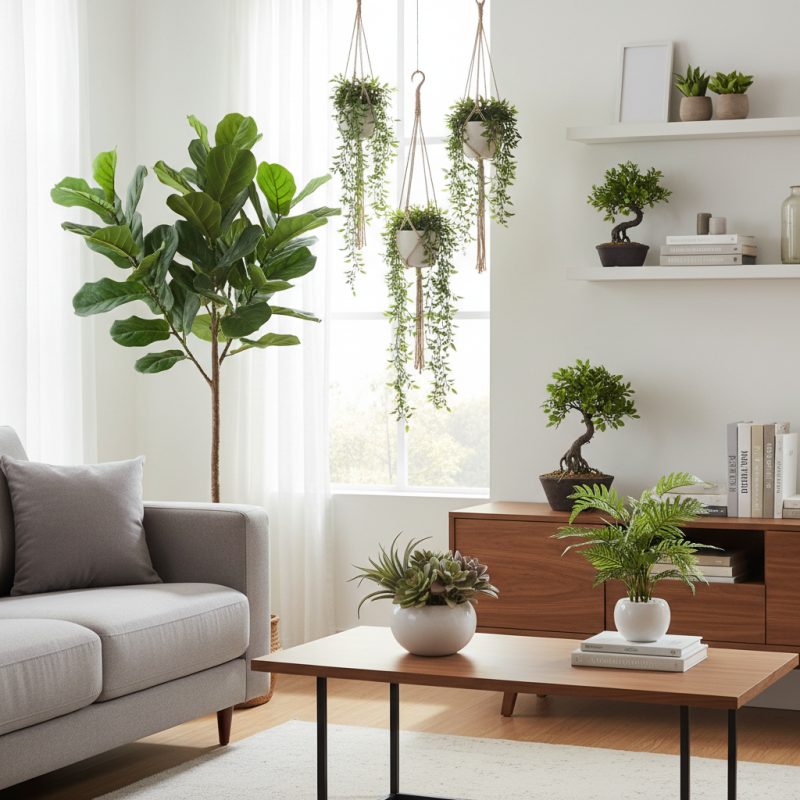
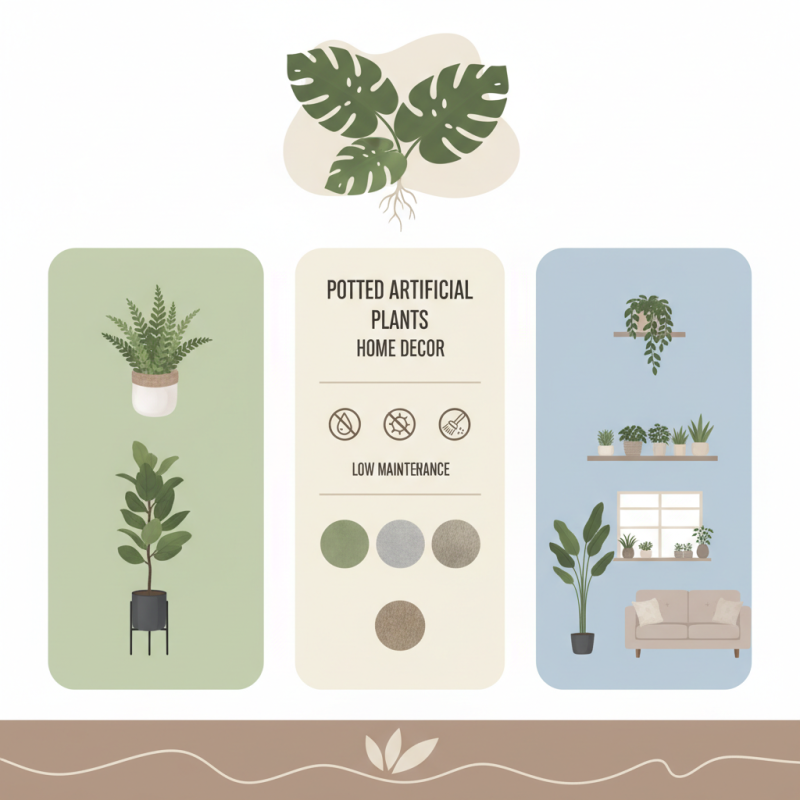
When it comes to enhancing your home decor, choosing the right type of potted artificial plants can make a significant difference. There are various styles of potted artificial plants available, each with its unique aesthetics and benefits. One popular category includes leafy greens, such as ferns and philodendrons, which add a touch of nature and can easily blend with various decor themes. Additionally, floral arrangements with vibrant colors can serve as eye-catching centerpieces that brighten up any room.
When selecting artificial plants, consider the environment and the overall style of your home. For modern interiors, sleek and minimalist designs such as snake plants or succulents work well, while more traditional settings might benefit from a lush, tropical look created by larger artificial palm trees.
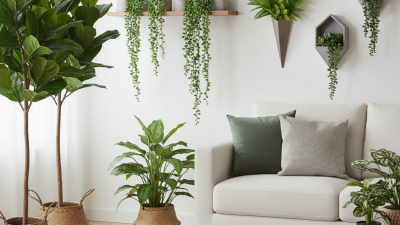
**Tips:** To create a more realistic appearance, combine different types of textures and heights in your arrangement. Incorporate decorative pots that complement your home’s color palette to tie the look together. Moreover, remember to consider lighting; placing your artificial plants near natural light can enhance their lifelike appeal, making them a beautiful addition to your home decor.
Factors to Consider When Choosing Artificial Plants
When selecting the best type of potted artificial plants for home decor, several factors come into play. First, consider the overall aesthetic of your space. The style of your home—be it modern, traditional, or eclectic—will influence the type of artificial plants that will complement your interior design. Opt for plants with realistic textures and colors that mimic real greenery. For contemporary spaces, sleek, minimalist designs may work best, while more ornate options can add charm to a classic setting.
Another crucial aspect to consider is the size of the plant. Measure the intended space to ensure that the artificial plant fits well without overwhelming the surroundings. Larger plants can serve as focal points in a room, while smaller plants may be perfect for shelves or tabletops. Also, keep in mind the height and foliage spread when placing them near furniture or other decor elements.
**Tips:** When choosing potted artificial plants, pay attention to the material. High-quality plants made from materials that simulate real leaves can create an authentic look. Additionally, consider the maintenance aspect—while artificial plants don’t need watering, occasional dusting will keep them looking fresh. Lastly, think about the arrangement; grouping different types or sizes of plants together can create an eye-catching display and enhance the overall decor.
What is the Best Type of Potted Artificial Plants for Home Decor - Factors to Consider When Choosing Artificial Plants
| Plant Type |
Material |
Maintenance Level |
Best For |
| Faux Succulents |
Plastic |
Low |
Tabletops & Shelves |
| Silk Flowers |
Silk & Wire |
Medium |
Decorative Arrangements |
| Artificial Ferns |
Polyethylene |
Low |
Indoor Indoor Spaces |
| Potted Cacti |
Plastic |
Very Low |
Minimalist Decor |
| Fake Palm Trees |
Polypropylene |
Medium |
Larger Spaces |
Benefits of Using Artificial Plants in Home Spaces
Artificial plants have become a popular choice for home decor, offering a range of benefits that enhance living spaces while reducing maintenance efforts. One of the primary advantages of using artificial plants is their versatility. Available in various shapes, sizes, and styles, these plants can complement any interior design theme, from modern minimalism to rustic charm. They can be placed in different environments, whether in the living room, bedroom, or even office spaces, providing an instant refresh to the aesthetic.
Another significant benefit is the low maintenance nature of artificial plants. Unlike real plants, they do not require watering, sunlight, or specific temperature conditions to thrive. This feature is particularly appealing for individuals with busy lifestyles or those who may not have a green thumb. Additionally, artificial plants do not attract pests or carry allergens, making them a practical choice for households with children or pets. Ultimately, they contribute to a more inviting atmosphere without the hassle of upkeep, allowing people to enjoy the beauty of greenery in their homes all year round.
Best Materials for Potted Artificial Plants
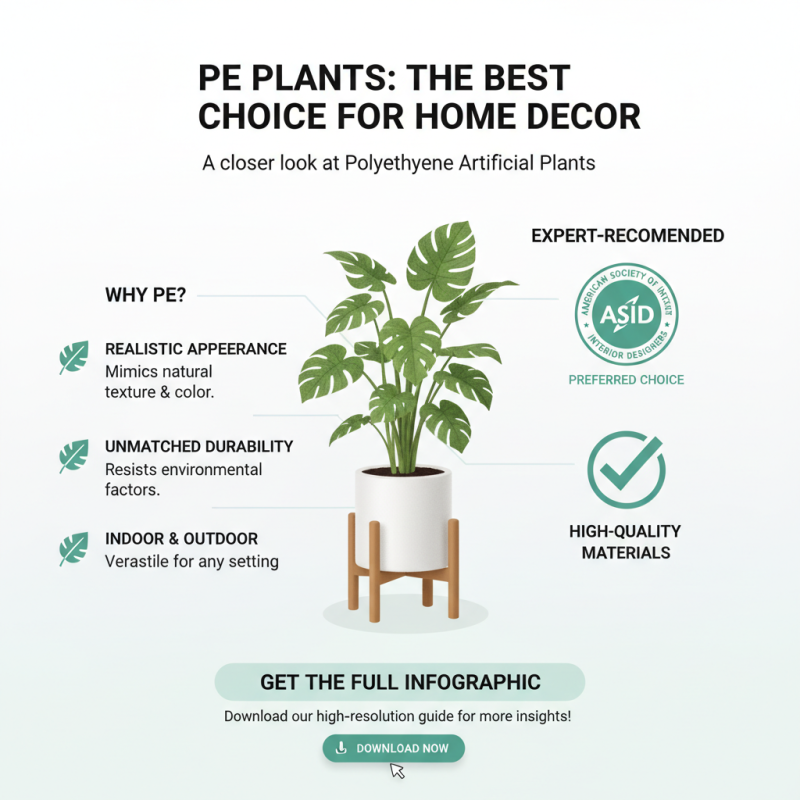
When selecting the best type of potted artificial plants for home decor, the choice of materials plays a crucial role in ensuring both aesthetics and durability. According to a report by the American Society of Interior Designers, high-quality artificial plants made from polyethylene (PE) are preferred for their realistic appearance and resilience. PE plants are known to withstand various environmental factors, making them ideal for indoor and outdoor settings. Additionally, their ability to mimic the texture and color of natural foliage enhances the overall decor, providing a lifelike presence without the maintenance concerns associated with real plants.
Another material gaining popularity in the artificial plant market is polyester. A recent industry analysis highlighted that around 35% of consumers value light-weight options, which polyester provides. This makes it easier for homeowners to rearrange their decor without the hassle of heavy upkeep. Furthermore, advanced manufacturing techniques result in polyester plants that can accurately replicate the intricacies of live plants, increasing their appeal for modern interiors. The combination of low maintenance and aesthetic flexibility positions both PE and polyester as leading materials for homeowners looking to enrich their living spaces with potted artificial plants.
Maintenance Tips for Keeping Artificial Plants Looking Fresh
When choosing potted artificial plants for home decor, many might overlook the importance of maintenance. According to a survey conducted by the International Decorators Association, approximately 70% of homeowners opt for artificial plants to avoid the upkeep required by real plants. However, keeping these faux greens looking fresh still requires some effort and care to ensure they enhance your living space effectively.
To maintain the vibrancy of artificial plants, regular cleaning is crucial. Dust and grime can accumulate, giving them a dull appearance. Experts recommend a gentle cleaning regime using a soft cloth or a microfiber duster at least once every two weeks. For deeper cleaning, a mixture of mild soap and water can help rejuvenate colors and remove any stubborn residue. Additionally, exposing artificial plants to direct sunlight for prolonged periods can lead to fading. Using UV-protected materials can mitigate this effect, ensuring that the colors remain bright and attractive over time.
Furthermore, seasonal checks are essential for maintaining the integrity of these decor pieces. A study by the Home Improvement Research Institute revealed that regular inspections can extend the lifespan of artificial plants by up to 50%. This includes checking for signs of wear, such as loose stems or frayed leaves, and replacing any damaged components promptly. By incorporating these simple maintenance tips, you can keep your artificial plants looking fresh and inviting, enhancing the overall aesthetic of your home.