Best Fiberglass Mesh Machine for Your Manufacturing Needs?
In the competitive world of manufacturing, selecting the right fiberglass mesh machine is crucial. According to industry expert John Smith, “Investing in quality machinery is investing in your future.” This insight underscores the importance of choosing the best equipment available.
fiberglass mesh machines play a vital role in producing durable mesh for various applications. These machines ensure consistency in quality and efficiency in production. However, not all machines are created equal. Manufacturers often grapple with various options, struggling to identify which machine meets their specific needs.
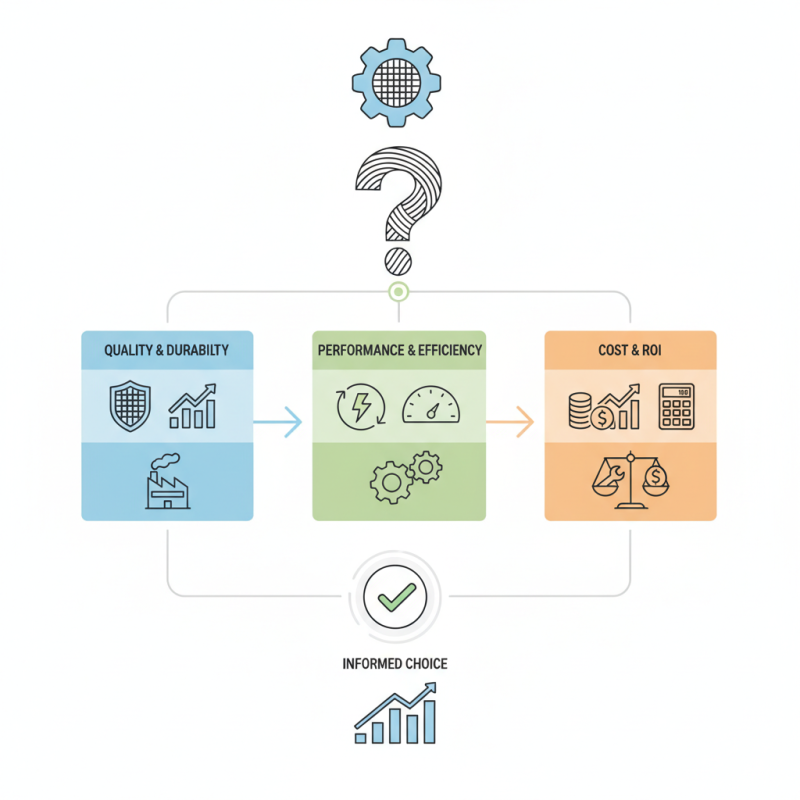
Details matter when selecting a fiberglass mesh machine. Considerations include machine output, energy efficiency, and ease of operation. Some machines may promise high output but lack reliability. Finding a balance between performance and cost is essential. Many manufacturers realize that making an informed choice can significantly impact their profit margins and operational efficiency.
Overview of Fiberglass Mesh Machines and Their Applications
Fiberglass mesh machines are crucial in various industries. They produce mesh used for construction, automotive, and sports applications. The technology allows for efficient mass production, reducing labor costs and time. In construction, fiberglass mesh enhances the strength of materials like concrete. It provides additional support, making structures more durable.
These machines come in various configurations, depending on their intended use. Some machines are designed for high-volume output, while others focus on intricate designs. Users often find challenges in adjusting settings for different mesh types. This requires technical knowledge and experience. Operators need to be careful, as errors can lead to waste and increased costs.
Applications of fiberglass mesh include insulation, drywall, and reinforcing elements. Industries are finding new uses regularly. This evolving nature requires machines with flexibility and adaptability. Innovations in technology are essential for this progress. Optimizing processes is necessary for meeting modern manufacturing demands.
Key Features to Consider When Selecting a Fiberglass Mesh Machine
When selecting a fiberglass mesh machine, several key features should be prioritized. Look for machines with adjustable speed settings. This flexibility allows for the adaptation of production rates to your specific needs. Check the material quality as well. Machines made from durable components often perform better and last longer. Ensure the machine can handle different mesh sizes. Versatility is crucial for varied production demands.
Tip: Always inspect user reviews before making a purchase. Real experiences can reveal the machine's efficiency or drawbacks.
Consider the ease of operation. A user-friendly control panel can significantly reduce training time for workers. Look for machines with automatic features. Automated winding and cutting systems can enhance production efficiency. However, overly complex machines may lead to maintenance issues down the line. Simplicity often beats sophistication in functionality.
Tip: Regularly evaluate your production process. Identify any bottlenecks that could be solved by upgrading your machine. Reflect on how often repairs interrupt your workflow.
Best Fiberglass Mesh Machine for Your Manufacturing Needs
| Feature | Description | Importance |
| Production Speed | Refers to the output rate at which the machine can produce fiberglass mesh. | High |
| Mesh Size Range | The variety of mesh sizes that can be produced. | Medium |
| Automation Level | The extent to which the machine operates automatically. | High |
| Energy Efficiency | How much energy the machine consumes relative to its output. | High |
| User-Friendliness | Ease of operation and maintenance. | High |
| Machine Size | Physical dimensions of the machine, relevant for factory space. | Medium |
| Maintenance Requirements | Frequency and type of maintenance required to keep the machine operational. | Medium |
Top Manufacturers and Brands Offering Quality Fiberglass Mesh Machines
When considering fiberglass mesh machines, manufacturers play a crucial role. Various companies offer machines with different features. Quality is not always consistent across brands. Some products may fall short of expectations, leaving buyers needing more.
Key factors include machine durability and ease of use. Machines that are reliable often come at a higher price. Budget options might compromise on quality. It's essential to read user reviews. Feedback can offer insight into long-term performance. Some machines might require constant maintenance, which can be frustrating.
Not every manufacturer provides the same support. Warranty and service availability are vital. A brand with a strong support system can save time and money. Look for companies that offer robust customer service. This can make a big difference in your manufacturing efficiency and satisfaction. Always be cautious and do thorough research before making a decision.
Comparative Analysis of Different Fiberglass Mesh Machine Models
When choosing a fiberglass mesh machine, different models can deliver varied results. Each machine has unique features and capabilities. Some are designed for high production rates, while others focus on versatility. When manufacturing fiberglass mesh, considering your specific needs is critical.
Some machines offer advanced automation. They can reduce labor costs significantly. However, automation may lead to higher initial investments. Manual options may be cheaper upfront but could require more workforce involvement. The balance between cost and efficiency is key in this decision-making process.
Feed mechanisms play a crucial role in production consistency. Some models struggle with uneven material feeding, resulting in defects. This can lead to waste and the need for rework. Operators should closely evaluate how machines handle material. Performance can vary under different operating conditions. Testing under real scenarios is advisable before making a commitment.
Maintenance Tips for Enhancing the Longevity of Your Machine
Proper maintenance of your fiberglass mesh machine is essential for its longevity. Regular inspections should be a part of your routine. Look for any signs of wear or damage. Check belts, gears, and electrical components frequently. A small issue can become a significant problem if not addressed quickly.
Cleaning is another crucial aspect. Dust and debris can accumulate, affecting performance. Schedule regular cleanings to keep the machine running smoothly. Use suitable cleaning agents to avoid damaging any components. Furthermore, lubricate moving parts according to the manufacturer's guidelines. This helps minimize friction and prevent breakdowns.
Training your staff on proper usage is vital. Ensure everyone understands how to operate the machine efficiently. Misuse can lead to costly repairs. Encourage team members to report any abnormalities immediately. A proactive approach can save time and resources, ultimately enhancing your production capabilities. Regular maintenance creates a dependable asset for your manufacturing needs.
Production Efficiency of Fiberglass Mesh Machines