Best Artificial Trees for Indoor and Outdoor Use?
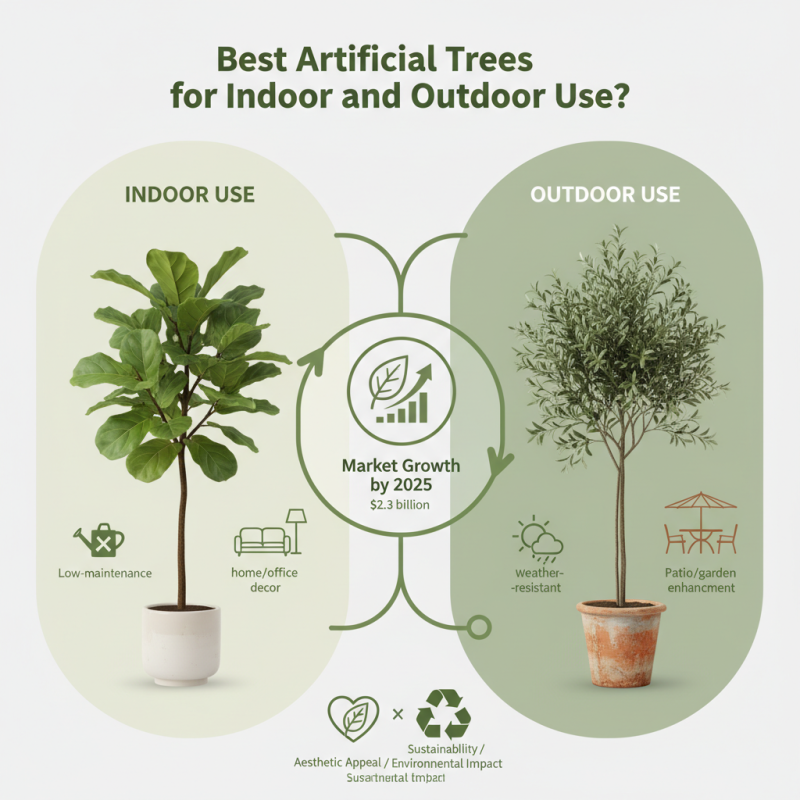
Artificial trees have gained significant popularity in recent years. According to the American Horticultural Society, the market for artificial plants, including trees, is expected to reach $2.3 billion by 2025. This growth reflects a broader trend toward low-maintenance decor options in homes and offices.
Expert designer Sarah Lane emphasizes the allure of artificial trees: "They provide the beauty of nature without the hassle of upkeep." This sentiment resonates with many seeking permanent solutions for enhancing indoor and outdoor spaces. An artificial tree can create a serene environment, ideal for relaxation or professional settings.
However, while the advantages are clear, some aspects merit reflection. The lack of genuine life can leave a space feeling sterile. Additionally, the use of artificial materials raises concerns about environmental impact. Choosing the right artificial tree is essential to balance aesthetic appeal and sustainability.
Types of Artificial Trees for Indoor and Outdoor Use
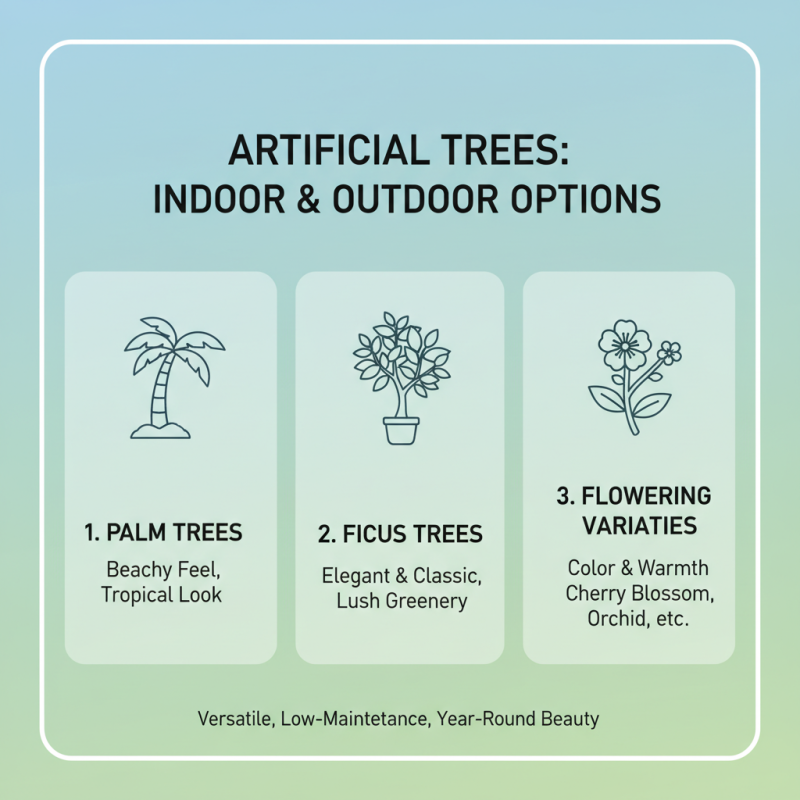
When it comes to artificial trees, there are many options for both indoor and outdoor use. Some popular types include palm trees, ficus trees, and flowering varieties. Each type has its own unique charm. Palm trees can create a beachy feel, while ficus trees add elegance. Flowering varieties bring color and vibrancy to any setting.
Indoor artificial trees often mimic exotic species. They create a warm atmosphere in homes and offices. Look for taller varieties that can fill empty corners. Smaller options work well as table centerpieces. Outdoor artificial trees are made to withstand weather elements. They tend to be bulkier and often feature UV protection. These are ideal for patios or garden areas that need a splash of greenery.
However, finding the perfect fit can be a challenge. Some artificial trees might not look real enough. Others could be too large for your space. Ensure you pick the right size and style. In the quest for beauty, some choices may feel generic. Consider personal touches to make them feel more authentic.
Factors to Consider When Choosing Artificial Trees
When selecting artificial trees for indoor and outdoor spaces, several factors come into play. The material of the tree is crucial. High-quality plastics can replicate the texture and color of real leaves and bark. According to industry reports, approximately 70% of consumers prefer trees made from UV-resistant materials for outdoor use. This feature ensures longevity, even in harsh weather conditions.
Another important consideration is the size and scale of the tree. A large tree can become a statement piece, but it may overwhelm smaller rooms. On the other hand, petite trees may get lost in expansive outdoor areas. Measurements should be taken to ensure the right fit for the intended space. Surprisingly, data shows that 45% of buyers return trees because they didn’t check dimensions carefully.
It’s also worth reflecting on tree shape and density. Some may seem realistic but have sparse foliage. This can appear unattractive in living spaces. Customers should look for densely packed branches for a fuller appearance. However, balance is needed; a tree that is too dense can feel artificial and out of place. Finding that perfect tree can take time, but it’s essential for achieving a natural look in any environment.
Top Brands and Models of Artificial Trees
When selecting artificial trees for indoor and outdoor spaces, various brands and models stand out. Data from industry reports indicate that the demand for realistic-looking artificial trees has surged by 25% over the past three years. Homeowners appreciate these designs for their maintenance ease and longevity. However, not all models reflect high-quality craftsmanship.
Some brands emphasize realism, using UV-resistant materials for outdoor options. Indoor models often focus on intricate detailing, enhancing aesthetic appeal. Yet, along with quality, price can vary significantly. It's crucial to evaluate what you are getting for your money, as some less expensive trees may not withstand the test of time.
Tips: To ensure your artificial tree complements your decor, choose styles that match your existing theme. Consider the size carefully; larger trees may overwhelm a small space. Additionally, examine the foliage closely. Some cheaper models simply lack the variety and detail in their leaves, making them look less convincing. Look for trees that provide a fuller appearance yet fit comfortably within your space.
Best Artificial Trees for Indoor and Outdoor Use
| Type of Tree |
Height |
Material |
Indoor/Outdoor |
Price Range |
| Ficus Tree |
6 ft |
Plastic |
Indoor |
$80 - $120 |
| Bamboo Tree |
5 ft |
Silk |
Indoor/Outdoor |
$60 - $100 |
| Olive Tree |
4 ft |
Plastic |
Indoor |
$70 - $110 |
| Pine Tree |
7 ft |
PVC |
Outdoor |
$90 - $150 |
| Rubber Tree |
5 ft |
Silk |
Indoor |
$75 - $130 |
Maintenance Tips for Artificial Trees
Artificial trees are an excellent choice for both indoor and outdoor spaces. They provide beauty without the demands of real plants. However, like any decor, they require some maintenance to keep them looking their best.
To maintain your artificial trees, start with dusting them regularly. Use a soft cloth or a duster to wipe away dirt. For stubborn spots, a damp cloth works wonders. Pay attention to the leaves and branches, as they can gather dust quickly. This simple step makes a significant difference in their appearance.
Another tip is to avoid direct sunlight. While artificial trees are durable, prolonged exposure can fade their colors. Instead, position them in a spot that receives indirect light. It helps maintain their vibrancy. Occasionally, check for signs of wear. Loose leaves or fraying branches may need repair or replacement. Inconsistencies in your decor can be an eye sore. Taking a moment to reflect on these details can make your space feel more cohesive.
Benefits of Using Artificial Trees in Home Decor
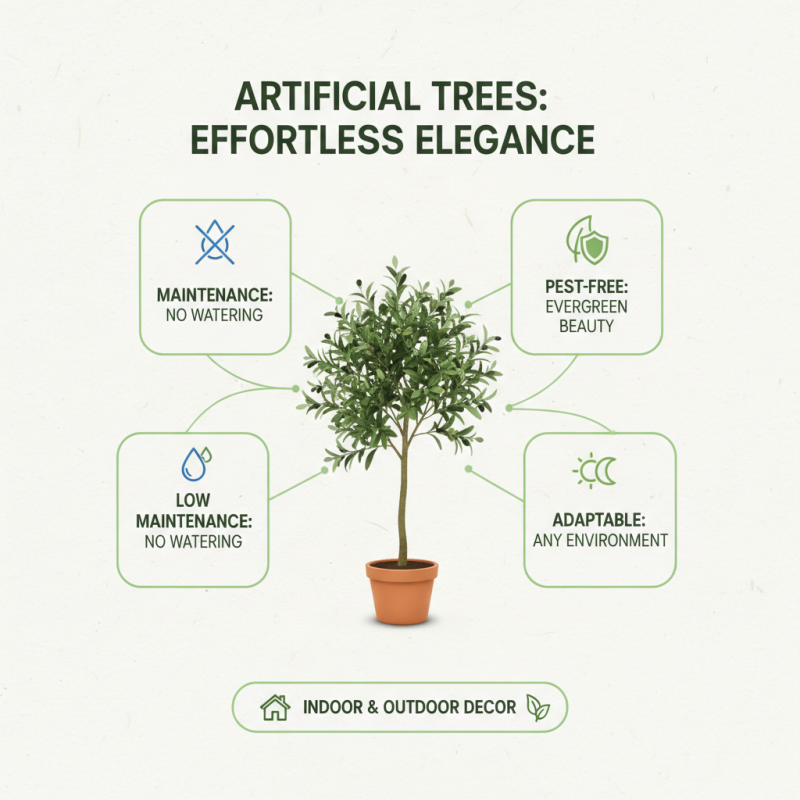
Artificial trees have become popular in home decor. They offer countless benefits, both indoors and outdoors. One key advantage is their low maintenance. Unlike real plants, artificial trees require no watering. You won't need to worry about wilting leaves or pests. They can thrive in any environment, adapting to various lighting conditions.
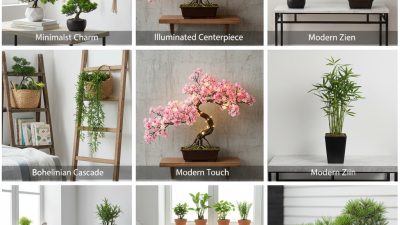
To enhance your space, consider placing artificial trees strategically. They can fill empty corners or add height to a room. A large tree can become a focal point, drawing attention. Small trees work well on shelves or tables. Mixing different sizes creates visual interest. Remember to choose realistic designs for a more natural look.
Tips: When arranging, try varying the heights of your trees. This adds depth to your decor. Additionally, don’t hesitate to dust them regularly. It helps maintain their appearance. Even the best artificial trees can look worn if neglected. Always evaluate their placement and adjust if needed; it might not be perfect the first time.