Top 10 Benefits of Artificial Green Walls for Indoor Spaces
In recent years, the incorporation of Artificial Green Walls in indoor spaces has emerged as a revolutionary trend in interior design and sustainability. According to Dr. Emily Johnson, a renowned expert in environmental aesthetics, “Artificial Green Walls not only enhance the visual appeal of a space but also contribute significantly to the well-being of its occupants.” This innovative solution offers a myriad of benefits, transforming otherwise mundane walls into vibrant displays of greenery while improving air quality and promoting mental wellness.
Artificial Green Walls are engineered to mimic the aesthetics of natural foliage, providing all the charm of plant life without the maintenance hassles associated with real plants. They serve as functional design elements that can help to reduce noise levels, regulate temperature, and create a calming atmosphere, making them ideal for various indoor environments—from corporate offices to healthcare facilities. By strategically implementing Artificial Green Walls, organizations can create inviting and health-conscious spaces that enhance productivity and comfort for employees and visitors alike.
As we explore the top ten benefits of Artificial Green Walls for indoor spaces, it becomes clear that these installations do more than beautify our surroundings; they are essential tools for fostering a sustainable and health-forward approach to interior environments.
Understanding Artificial Green Walls: Definition and Types
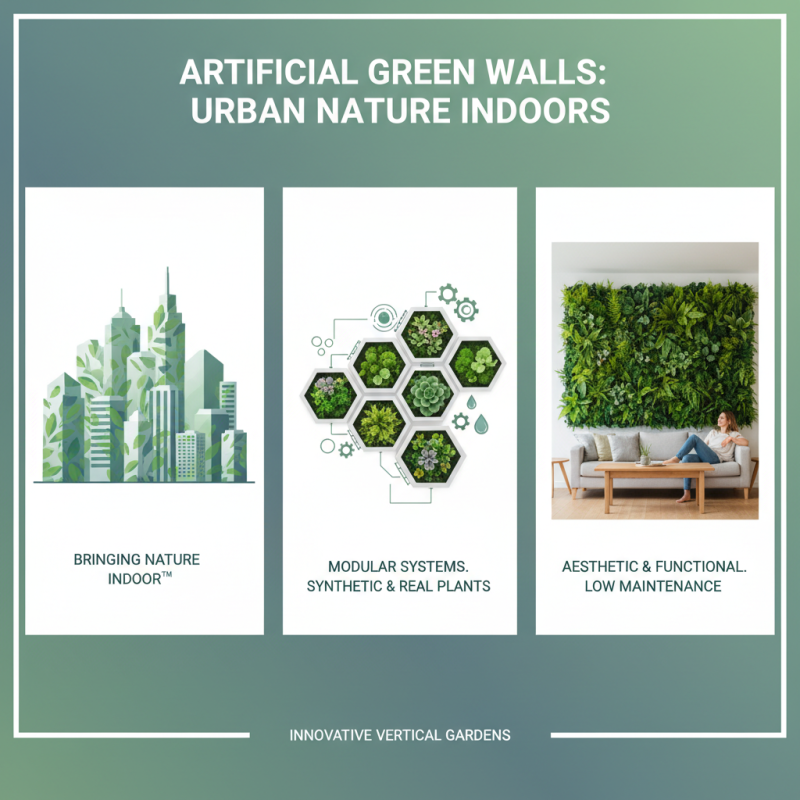
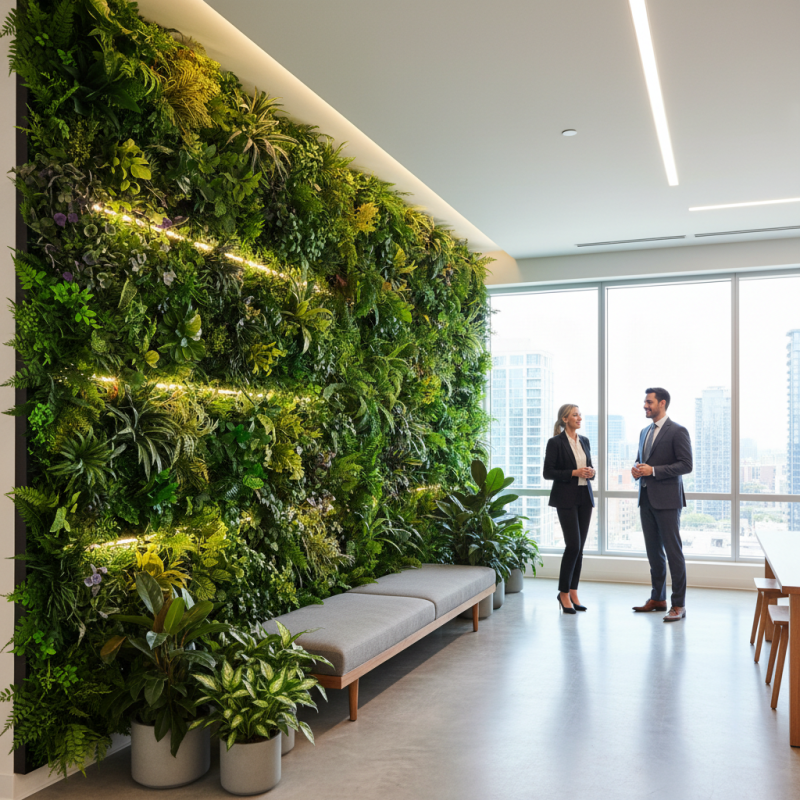
Artificial green walls, often referred to as living walls or vertical gardens, are innovative installations designed to bring a touch of nature into indoor environments. They serve as wall-mounted systems that mimic the aesthetic and functional qualities of natural greenery, making them an attractive option for urban and indoor spaces where real plants might struggle to thrive. These green walls can be composed of many different materials, including synthetic fabrics and modular panels that house a variety of plant species, both real and artificial.
The types of artificial green walls vary widely, catering to different aesthetic preferences and practical applications. They can be purely decorative, featuring high-quality faux plants that require no maintenance, or they can incorporate a mix of real plants with advanced irrigation systems that facilitate growth without extensive upkeep. Additionally, some systems are designed specifically for air purification, combining technology with greenery to enhance air quality in indoor spaces. Whether in corporate offices, hotels, or residential homes, the versatility and adaptability of artificial green walls provide a unique opportunity to create vibrant and inviting atmospheres while contributing to the overall well-being of occupants.
Enhanced Aesthetics: The Visual Appeal of Indoor Green Walls
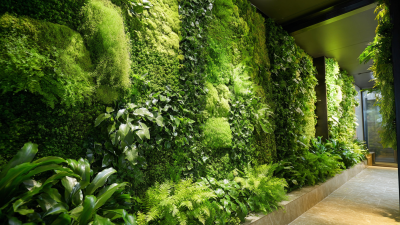
Indoor green walls, often referred to as living walls, have gained immense popularity due to their visual appeal and aesthetic enhancements in various indoor spaces. These installations not only add a touch of nature to urban environments but also contribute to a more vibrant atmosphere. According to a report by the International Society of Arboriculture, incorporating greenery into interior design can improve overall feel and satisfaction, elevating the ambiance of spaces such as offices, restaurants, and homes.
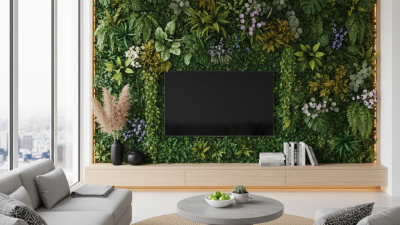
The aesthetic benefits of indoor green walls are particularly significant; they serve as stunning focal points that can transform a dull room into a lively space. Research from the Environmental Protection Agency highlights that living walls can enhance the perception of space, making it feel more open and inviting. Additionally, the vibrant colors and diverse textures of plants can evoke positive emotions, creating a refreshing contrast to the often sterile indoor environment dominated by technology and artificial materials.
Tip 1: When designing your indoor green wall, consider a variety of plant species to ensure an engaging visual composition. Combining different colors, shapes, and sizes can elevate the overall impact.
Tip 2: Position your green wall strategically to maximize its visibility and interaction from multiple angles. This will help in creating a captivating experience for anyone entering the space.
Tip 3: Regular maintenance is key. Investing time in caring for your living wall not only ensures its health but also preserves its beauty, allowing it to remain a stunning visual element for years to come.
Improved Indoor Air Quality: How Green Walls Purify the Environment
Artificial green walls, also known as living walls, have gained significant attention for their ability to enhance indoor air quality. According to a report by the Environmental Protection Agency (EPA), indoor air can be up to five times more polluted than outdoor air. Green walls can mitigate this issue by acting as natural air purifiers. Plants naturally absorb carbon dioxide and volatile organic compounds (VOCs), while simultaneously releasing oxygen, thus improving the overall air quality in a confined space.
Research has shown that certain plants used in green wall systems, such as peace lilies and snake plants, can effectively reduce indoor pollutants. A study published in the Journal of Environmental Quality indicated that these plants can decrease levels of common indoor contaminants by up to 87% within a 24-hour period. This rapid reduction not only enhances the breathing environment but also contributes to the psychological well-being of occupants by creating a serene and aesthetically pleasing atmosphere. Incorporating artificial green walls into residential and commercial buildings can, therefore, be considered a sustainable strategy to promote healthier indoor environments while leveraging the inherent benefits of nature.
Noise Reduction Benefits: Sound Absorption through Green Wall Design
Artificial green walls are becoming increasingly popular in indoor environments, not just for their aesthetic appeal but also for their impressive sound absorption qualities. Research indicates that plants can reduce noise levels significantly, helping to create a more peaceful atmosphere. According to a study published in the Journal of Acoustics, indoor spaces featuring green walls can reduce sound levels by up to 50%. This is particularly beneficial in busy work environments or urban settings, where excessive noise can distract and impede productivity.
Integrating green wall designs can enhance the acoustics of a space by utilizing various plant types and arrangements that absorb sound. The combination of soil, plants, and structural elements of the wall contributes to sound wave diffusion, providing a multi-layered approach to noise reduction. Moreover, a well-designed green wall can act as a barrier that mitigates external noises, thus creating a serene indoor sanctuary. Incorporating natural elements supports mental well-being, making spaces more conducive to focus and creativity.
Tips for maximizing noise reduction through green walls include selecting dense plant varieties that are known for their sound-absorbing capabilities, such as ferns and mosses. Additionally, varying plant heights and textures can enhance sound diffraction, creating a more effective acoustic environment. Regular maintenance and care of the plants will ensure their longevity and maintain their noise-reducing benefits, providing a long-term solution to indoor noise challenges.
Psychological Advantages: Impact of Green Walls on Well-being and Productivity
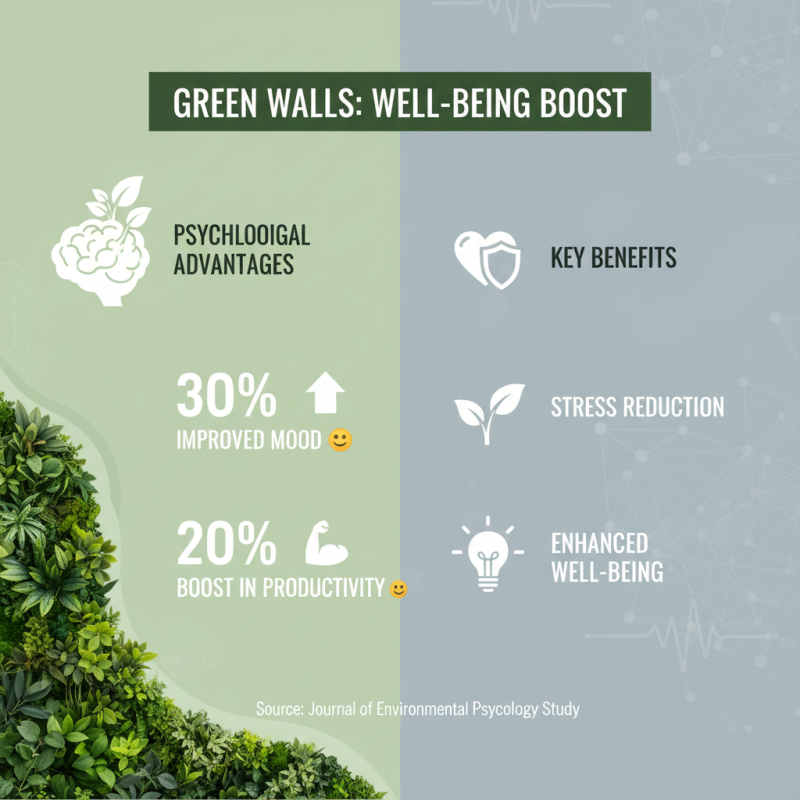
The incorporation of artificial green walls in indoor spaces has proven to be a game changer, particularly when focusing on psychological advantages. A study published in the Journal of Environmental Psychology found that greenery can lead to a significant reduction in stress levels and an increase in overall happiness. Participants in environments enriched with plants reported a 30% improvement in mood and a 20% boost in productivity compared to those in non-green environments. This data underscores the importance of integrating natural elements, even artificial ones, into workplaces and homes for enhanced well-being.
Moreover, green walls contribute to higher levels of creativity and cognitive function. According to research by the University of Exeter, employees in green-themed offices experienced a 15% increase in creativity and a notable enhancement in collaborative tasks. The colors and textures provided by plant life stimulate mental clarity and inspiration, making these spaces ideal for brainstorming and innovation. By creating visually appealing and tranquil environments, businesses can foster a culture of efficiency and imagination.
Tips for integrating artificial green walls include selecting a variety of plants to mimic the diversity of nature, which can further enhance the psychological benefits. Additionally, consider positioning these walls in high-traffic areas to maximize exposure, thereby creating a calming atmosphere that can positively influence both employee well-being and client perceptions. Regular maintenance and updates to the greenery can keep the environment fresh and engaging, promoting sustained psychological advantages.