What are Artificial Trees and How Do They Benefit the Environment?
Artificial Trees represent a pioneering solution in the quest for environmental sustainability. These innovative structures mimic the natural process of photosynthesis, effectively absorbing carbon dioxide and releasing oxygen. According to a recent report by the Environmental Protection Agency, urban areas could see a significant reduction in air pollution levels with widespread use of Artificial Trees.
Dr. Emily Carter, a leading expert in environmental technology, states, “Artificial Trees can revolutionize our approach to urban air quality.” With the ability to capture over 1,000 kilograms of CO2 per unit annually, the potential impact on climate change could be profound. However, it is crucial to evaluate the long-term effectiveness and environmental costs of creating and maintaining these structures.
Investments are rising, yet the technology is not without its challenges. Critics point out the need for proper integration into existing ecosystems. Artificial Trees could serve as a complement to natural solutions, but they should not replace the vital role of traditional trees. Balancing these strategies is essential for a sustainable future.
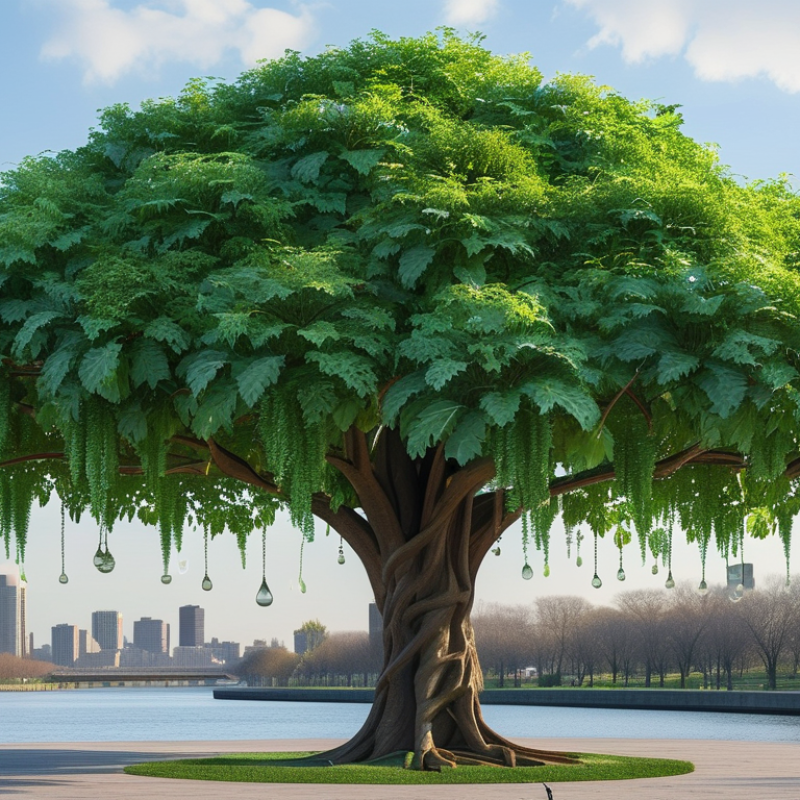
Definition and Concept of Artificial Trees
Artificial trees, a revolutionary concept, aim to mimic the natural processes of real trees. These structures are designed to capture carbon dioxide from the atmosphere. They use advanced technology to absorb CO2 and transform it into solid carbon. This process helps to reduce greenhouse gases effectively.
One key benefit of artificial trees is their potential to address climate change. By efficiently removing CO2, they can lower global temperatures and improve air quality. They can be placed in urban areas where natural trees are scarce. This adaptability makes them a versatile option for tackling pollution in crowded cities.
Tips for implementing artificial trees include assessing the local environment. Consider the placement to maximize CO2 absorption. Community support is vital for acceptance and awareness. Engage local residents to educate them about the benefits. Involving them fosters a sense of ownership over environmental projects.
Lastly, while artificial trees provide hope, they are not a complete solution. They should complement other environmental initiatives. Balancing technology with natural solutions is essential. Reflect on the role of nature in achieving a sustainable future.
What are Artificial Trees and How Do They Benefit the Environment?
| Dimension |
Description |
Environmental Benefit |
| Carbon Capture |
Artificial trees use advanced materials to absorb carbon dioxide from the air. |
Helps reduce greenhouse gas effects and combat climate change. |
| Air Purification |
Filters various pollutants from the air, improving overall air quality. |
Enhances public health by reducing respiratory disease risks. |
| Energy Generation |
Some artificial trees can harness solar energy to produce electricity. |
Provides sustainable energy solutions and reduces reliance on fossil fuels. |
| Biodiversity Support |
Encourages the growth of local flora by providing habitats for various species. |
Contributes to ecosystem health and resilience. |
| Aesthetic Value |
Designed to blend into urban landscapes while providing ecological benefits. |
Enhances urban environments and encourages eco-friendly urban planning. |
Types of Artificial Trees and Their Mechanisms
Artificial trees are innovative technologies designed to mimic the natural carbon absorption process of real trees. These structures utilize advanced mechanisms to capture carbon dioxide from the atmosphere. One prominent type is the direct air capture system, which works by using chemical reactions to bind CO2. According to a report by the International Energy Agency, these systems can potentially remove up to 4 billion tons of CO2 annually by 2030, significantly impacting climate change mitigation.
Another type is biochar-based trees, which store carbon in a stable form. The process involves converting organic materials into biochar through pyrolysis. This method not only captures carbon but also improves soil health. Research shows that biochar can enhance water retention in soils by over 30%. While promising, these technologies face challenges, such as high operational costs and energy requirements, necessitating ongoing research and innovation.
Artificial trees offer a fascinating glimpse into a sustainable future. However, their success hinges on public acceptance and policy support. Critics question their scalability and efficiency compared to natural solutions. Public awareness and engagement will be essential for these technologies to complement traditional reforestation efforts effectively.
Environmental Benefits of Implementing Artificial Trees
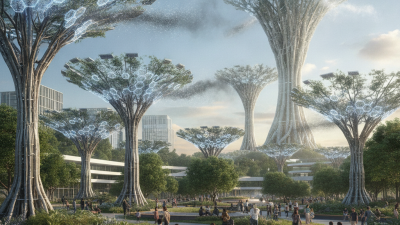
Artificial trees are innovative structures designed to mimic natural trees in various ways. They can effectively absorb carbon dioxide and release oxygen, just like real trees. Additionally, they can capture particulate matter and other pollutants from the air. This helps improve urban air quality, making cities more livable.
Implementing artificial trees offers several environmental benefits. They require less space than traditional trees. They can be installed in urban areas where planting natural trees is difficult. This makes them a practical alternative. Furthermore, artificial trees can also produce renewable energy through solar panels integrated within their design. This dual functionality enhances their impact on urban sustainability.
Tips: Consider supporting projects that install artificial trees in your community. Engage local authorities to raise awareness about their benefits. Together, we can push for greener cities. Explore educational programs about the importance of clean air. Understanding these concepts can empower more people to advocate for environmental change.
Comparative Analysis: Artificial Trees vs. Natural Trees
Artificial trees are innovative structures designed to emulate the carbon capture process of natural trees. They can absorb significant amounts of CO2, more than their natural counterparts in some cases. However, it's essential to evaluate their benefits and drawbacks compared to natural trees.
Natural trees have ecosystems that support wildlife. They provide habitats and contribute to biodiversity. They also improve air quality through photosynthesis. In contrast, artificial trees focus primarily on carbon absorption. They lack the biological complexity of real trees. This raises questions about their role in the environment. Can they truly replace natural systems?
Tips: Consider planting native trees. They adapt better to the local ecosystem. Encourage community planting events for greater environmental impact. Also, check if your area has space for growing more natural greenery.
Despite their advantages, artificial trees require energy and materials for production. This might not always be sustainable. Reflection is necessary here. Balancing the use of artificial trees with maintaining natural habitats is crucial. Weighing the pros and cons may guide better environmental practices. The integration of both could be the path forward for a sustainable future.
Future Developments and Innovations in Artificial Tree Technology
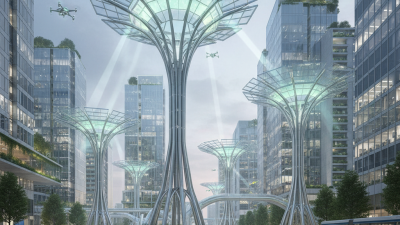
Artificial trees are gaining attention for their potential to combat environmental issues. These innovative structures mimic natural trees and absorb carbon dioxide. They can filter pollutants and even produce clean energy. As technology advances, artificial trees are set to play a crucial role in urban spaces.
Future developments may involve smarter designs. Integrating sensors can optimize air quality management. Moreover, innovations could enhance their aesthetic appeal, making them more attractive in public spaces. The combination of functionality and beauty could lead to wider acceptance. Researchers are exploring biodegradable materials, making these trees even more environmentally friendly.
Tips: If you’re interested in supporting this technology, engage with local organizations. Attend workshops to learn about environmental sustainability. Small contributions can lead to significant change. Stay informed about advancements in green technology. You can inspire others by sharing what you learn in your community. Engaging in discussions can promote awareness and encourage action.