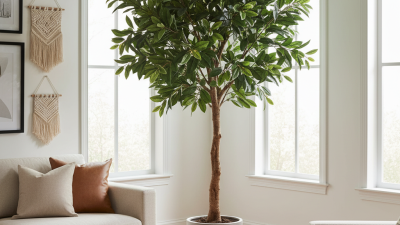
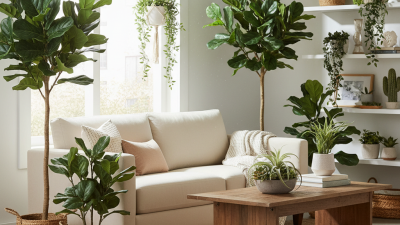
What is Artificial Plant Decor and Why Choose It?
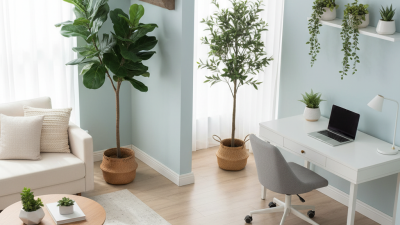
Artificial Plant Decor has become increasingly popular in modern interiors. These decorative elements offer the beauty of real plants without the challenges of maintenance. They provide a lush, vibrant look that can enhance any space. No watering, sunlight, or special care is required, making them an ideal choice for busy lifestyles.
Many people appreciate the aesthetic impact of Artificial Plant Decor. However, some may question its authenticity. It's true that not all artificial plants are created equal. High-quality options can look remarkably lifelike, but others may appear cheap or unrealistic. This variability can be frustrating for buyers seeking the perfect addition to their decor.
Choosing Artificial Plant Decor can also reflect personal style. From minimalist to bold designs, there are countless options available. Yet, it's essential to consider your environment and preferences. Not every space will benefit from artificial plants. Take time to evaluate your choices, as this can lead to a satisfying and harmonious design. Ultimately, striking a balance between convenience and authenticity is key.
What is Artificial Plant Decor?
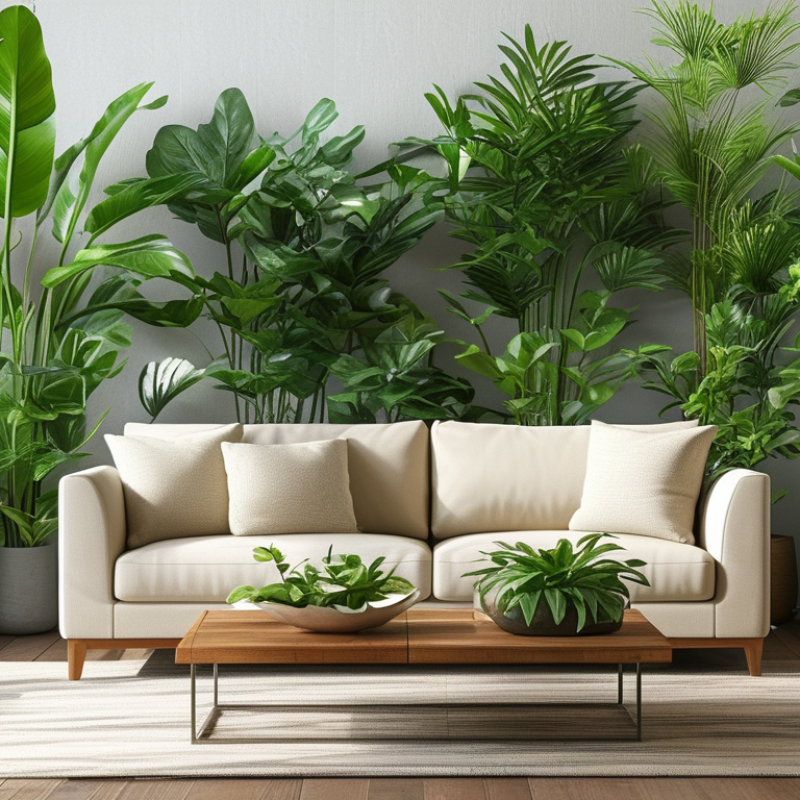
Artificial plant decor refers to synthetic plants designed to mimic real greenery. These pieces can include flowers, succulents, and trees. They are crafted from various materials like plastic, silk, and even foam. A key benefit is their low maintenance. Unlike live plants, they don’t need watering, sunlight, or pruning. This can be beneficial for busy lifestyles and spaces with poor light.
One might wonder about the authenticity of artificial plants. While they may lack the scent of real flowers, modern designs have improved significantly. Many feature intricate details, making them visually appealing. However, some individuals may feel they look too perfect or lack the life found in natural plants. This can lead to a sterile atmosphere in a home or office setting. It’s essential to find a balance that suits your aesthetic preference while enhancing the ambiance.
Additionally, artificial plants carry the advantage of longevity. Unlike real plants that might wilt or die, these can endure for years. However, they can accumulate dust, needing occasional cleaning. When choosing decor, reflect on the environment you want. Artificial plant decor can be a great choice, but it might not be for everyone. Style and personality can ultimately guide the decision.
Benefits of Artificial Plant Decor
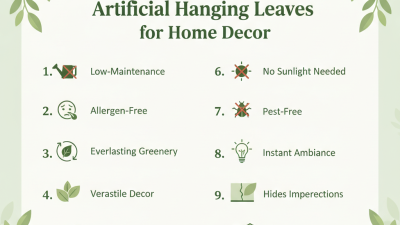
Artificial plant decor offers numerous advantages, including low maintenance, longevity, and a wide variety of styles to suit any space. This chart summarizes the benefits and their scores based on consumer preferences.
The History and Evolution of Artificial Plants
The history of artificial plants dates back to ancient times.
Ancient Egyptians crafted decorative elements from papyrus and linen, aiming to capture the essence of greenery.
These early examples were simple and often symbolic, reflecting the limited materials available.
Over centuries, advancements in materials transformed the way artificial plants were created.
The evolution gained momentum in the 20th century.
With the introduction of plastics, the market saw a surge of vibrant
and lifelike designs. These materials allowed manufacturers to mimic the nuances of real plants more effectively.
From humble beginnings, artificial plants have now become intricate representations of nature.
Today's offerings showcase a variety of species, colors, and textures.
However, not all artificial plants are created equal.
Some may look realistic but lack proper details.
Others might fade in sunlight, losing their charm over time.
It's essential for consumers to research before making a choice.
While artificial decor can lighten up a space, one must consider durability
and authenticity in their selections.
Benefits of Choosing Artificial Plant Decor
Artificial plant decor offers a stunning way to enhance any space without the challenges of real plants. These faux options require no watering or sunlight. They can thrive in any environment, making them ideal for homes and offices alike. This versatility is attractive to many.
Choosing artificial plants eliminates worries about allergies. Some people react to pollen or certain plant scents. Faux plants serve as a beautiful alternative. They come in various sizes and styles, mimicking the feel of natural flora. For instance, a small potted succulent can brighten up a desk space.
Tips: When selecting artificial plants, pay attention to quality. Cheaper options can look plastic and unrealistic. Opt for items made with high-quality materials for a more natural appearance. Regularly clean your decor to remove dust. This will keep them looking fresh and vibrant. Consider mixing different types of plants for greater visual interest. However, too many can feel cluttered, so find a balance.
Comparing Artificial Plants to Natural Plants
Artificial plants have gained popularity in interior decor. Many people question whether they can truly replace natural plants. A recent study by the American Society of Interior Designers reveals that 70% of homeowners prefer artificial plants due to maintenance ease. These synthetic options require no watering, sunlight, or special soil conditions.
Natural plants, while beautiful, need continuous care. A study from the National Gardening Association indicates that 50% of plants die within a year due to neglect or improper care. However, natural plants offer benefits like air purification and humidity regulation. They contribute to a lively atmosphere, something artificial plants struggle to replicate.
In contrast, artificial plants provide immediate greenery without the labor. They are perfect for busy lifestyles. Yet, they lack the vibrant energy that real plants offer. As we choose between the two, understanding these nuances becomes essential. A balance might be necessary for a fulfilling space.
Tips for Selecting and Maintaining Artificial Plant Decor
Artificial plant decor has become a popular choice for enhancing indoor spaces. It offers the beauty of plants without the hassle of maintenance. However, selecting the right ones can make a significant difference in your decor.
When choosing artificial plants, consider the material. Some are made of plastic, while others use silk or polyester. Silk plants often look more realistic, but they may require extra care. Pay attention to the color and texture as well. A natural feel enhances realism. Think about the size too; it should complement your space without overwhelming it.
Maintenance is crucial for artificial plants. Dust them regularly using a damp cloth. This helps keep them looking fresh. Occasionally, use a soft brush for intricate areas. Ensure they are placed away from direct sunlight to avoid fading. Inspect them for any signs of wear, especially at the joints. Even artificial plants can get dusty and dull over time. Keep adjusting their position to maintain visual interest.