What is Artificial Plant Bonsai and How to Choose the Best One
In the ever-evolving world of home decor, the rise of Artificial Plant Bonsai has captured the attention of both enthusiasts and casual decorators alike. These meticulously crafted pieces not only bring a touch of nature indoors but also offer a hassle-free alternative to traditional bonsai care. According to Dr. Emily Hart, a noted expert in the field of artificial flora, "The beauty of Artificial Plant Bonsai lies in its ability to enhance a space without the need for maintenance, making it accessible for everyone."
Choosing the best Artificial Plant Bonsai requires a discerning eye and an understanding of what qualities make the perfect replica. From the leaves' texture to the fidelity of the trunk and branches, each element contributes to creating an authentic look that can elevate any environment. It's essential to consider both aesthetics and the purpose of the bonsai in your home or office to strike the right balance between beauty and practicality.
As we explore the various aspects of Artificial Plant Bonsai, we will provide insights on how to choose the perfect piece that aligns with your style and enhances your space. Whether you are looking for a vibrant centerpiece or a subtle accent, understanding the nuances of these artificial wonders will enable you to make a well-informed decision.
What is Artificial Plant Bonsai? Understanding the Basics and Benefits
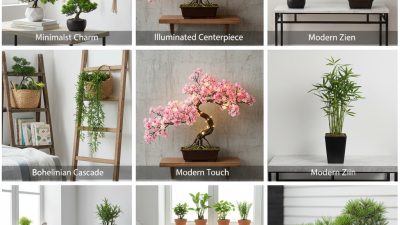
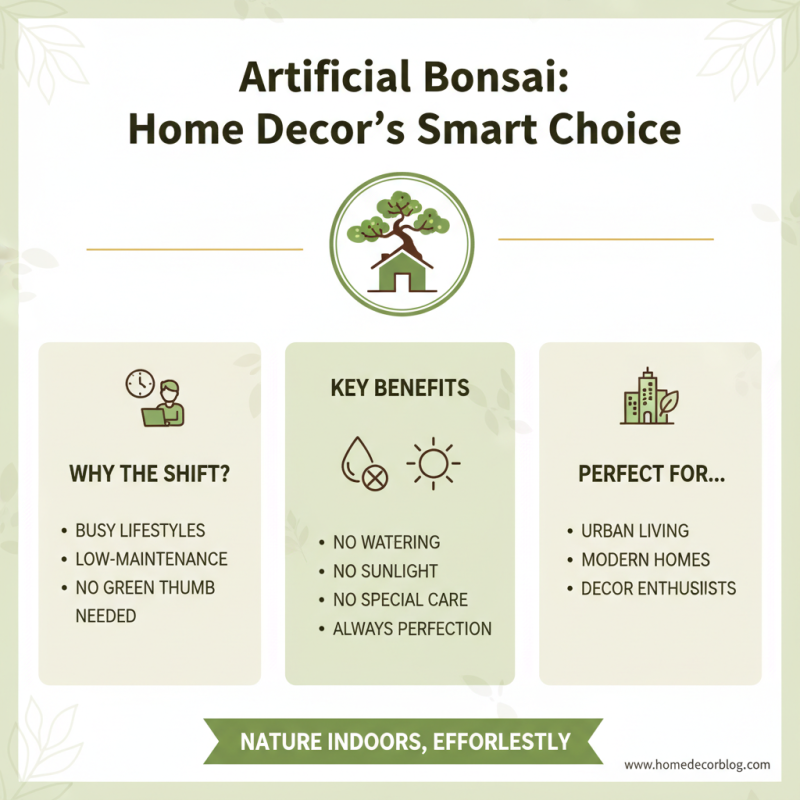
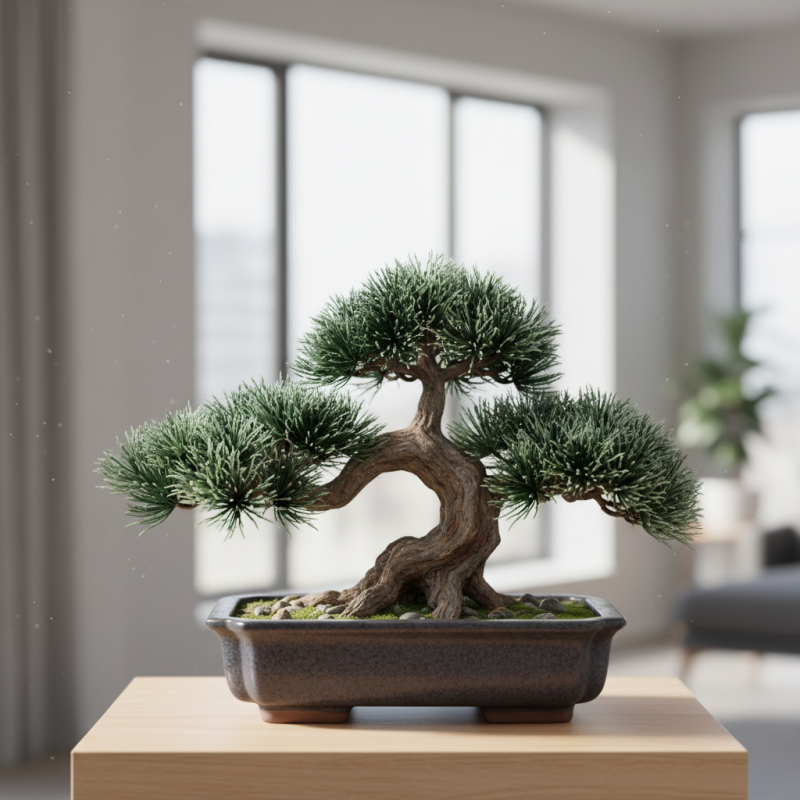
Artificial plant bonsai represents a unique blend of traditional aesthetics and modern convenience, appealing to both gardening enthusiasts and those seeking low-maintenance decor. These meticulously designed faux plants mimic the intricate beauty of natural bonsai while offering practical benefits. They are ideal for urban dwellers or individuals with busy lifestyles, as they require no watering, sunlight, or special care, making them a popular choice in today's fast-paced society.
Understanding the basics of artificial plant bonsai involves recognizing their materials, which often include high-quality plastic and silk that provide realistic texture and appearance. According to industry reports, the global market for artificial plants is expected to grow significantly, driven by increasing consumer preference for home decor that combines style with practicality. Notably, by 2025, the demand for such decorative items could surge by up to 30%, as consumers look for sustainable and durable alternatives to live plants. This trend is reflected in the growing interest in multifunctional home goods that cater to modern aesthetic and functional needs.
As consumers continue to embrace the philosophy of efficiency in their purchases, opting for artificial bonsai plants is a reflection of this ethos. These decorative pieces not only enhance the visual appeal of indoor spaces but also align with a broader consumer demand for products that simplify life while maintaining an element of beauty. Thus, selecting the right artificial plant bonsai not only adds charm to your home but also meets evolving lifestyle needs.
What is Artificial Plant Bonsai and How to Choose the Best One
| Feature |
Description |
Benefits |
| Material |
Usually made from high-quality plastic or silk that mimics real plants. |
Durable and easy to clean. |
| Size |
Available in various sizes from small desktop versions to large indoor decorations. |
Versatile for different spaces and purpose. |
| Design |
Various styles including traditional and modern bonsai designs. |
Can complement both home and office decor. |
| Maintenance |
Require minimal to no maintenance; no watering or light needed. |
Ideal for busy individuals or those without a green thumb. |
| Cost |
Generally more affordable than live bonsai trees. |
Cost-effective alternative with long-lasting use. |
The Growing Demand for Artificial Plant Bonsai in Home Decor Industry
The growing demand for artificial plant bonsai in the home decor industry reflects a shift in consumer preferences toward low-maintenance yet aesthetically pleasing options. As more individuals embrace busy lifestyles, the allure of artificial bonsai lies in their ability to bring a touch of nature indoors without the challenges associated with live plants. These decorative pieces require no watering, sunlight, or specialized care, making them an ideal choice for urban dwellers and those without a green thumb.
Moreover, the versatility of artificial plant bonsai adds to their appeal. They can complement various interior design styles, from minimalist to traditional, and are available in an array of sizes and designs. This variety enables homeowners to express their personal style while enhancing the ambiance of their living spaces. As awareness of sustainability grows, many consumers are also leaning towards high-quality artificial plants that last for years, reducing the need for replacements and supporting eco-friendly practices in the decor industry.
Key Factors to Consider When Selecting the Best Artificial Plant Bonsai
When selecting the best artificial plant bonsai, several key factors should be considered to ensure you make the right choice for your space. First, assess the quality of the materials used in the bonsai. High-quality options generally feature more realistic leaves, intricate branch details, and a sturdy trunk, which can make a significant difference in how lifelike the plant appears. It's essential to choose a bonsai made from durable materials that can withstand the test of time, particularly if it will be placed in high-traffic areas.
Another crucial aspect to consider is the size and scale of the bonsai in relation to your space. Measure the area where you plan to display the plant to ensure it complements your decor without overwhelming the space. Additionally, think about the overall aesthetic; choose a bonsai that aligns with your existing furnishings and color scheme for a harmonious look.
**Tips:** Remember to check for UV resistance if the bonsai will be placed in direct sunlight. This will help prevent fading and maintain its vibrant appearance. Furthermore, consider the care level required to keep the bonsai looking fresh. Choosing a low-maintenance option can save you time and effort, allowing you to enjoy your artificial plant without the hassle of regular upkeep.
Material Quality and Realism: Evaluating Your Options
When evaluating artificial plant bonsai, material quality and realism are paramount considerations. High-quality materials, such as UV-resistant plastic, silk, or latex, can significantly enhance the durability and visual appeal of the bonsai. These materials mimic the natural texture and color of real plants, contributing to a more authentic appearance. For instance, silk bonsai can provide a soft, lifelike feel, while high-grade plastic options often feature intricate detailing that adds depth and dimension. Choosing materials that withstand fading and wear is crucial, especially for indoor or outdoor settings.
Realism is also a vital aspect to consider when selecting artificial bonsai. Look for designs that include realistic foliage patterns and nuanced color variations, as these features replicate the subtle beauty found in natural bonsai trees. Additionally, some products may come with adjustable branches and leaves, allowing you to customize the look to better fit your space. Evaluating the craftsmanship and attention to detail in each piece can lead to a selection that not only serves as decor but also celebrates the artistry of bonsai cultivation without the maintenance requirements of living plants.
Top Trends in Artificial Plant Bonsai Design for 2023
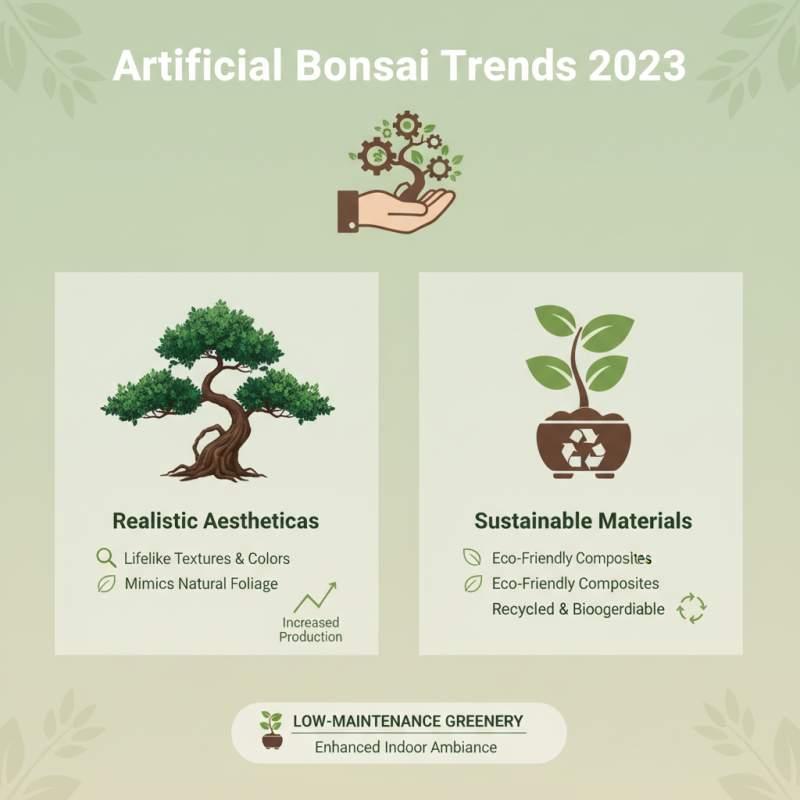
In 2023, the trends in artificial plant bonsai design are leaning towards more realistic aesthetics and sustainable materials. Designers are focusing on creating lifelike textures and colors to mimic natural foliage, which enhances the overall ambiance of indoor spaces. With advancements in technology, the production of artificial bonsai that replicate the subtleties of real plants has increased significantly, making them more appealing to consumers looking for low-maintenance greenery.
Another noteworthy trend is the integration of smart technology into artificial bonsai plants. Some contemporary designs include features like built-in LED lighting or smart sensors that can adjust lighting based on the time of day or mimic seasonal changes. This innovation not only adds to the visual appeal but also caters to tech-savvy individuals seeking unique home decor solutions. Additionally, eco-friendly materials are gaining popularity, with many manufacturers opting for biodegradable plastics and sustainable sourcing, appealing to environmentally conscious consumers.