What is Artificial Plant Bonsai? Benefits, Care Tips, and Popular Varieties
As urban living spaces become increasingly compact, the demand for low-maintenance greenery continues to rise. The concept of "Artificial Plant Bonsai" has gained traction in recent years, offering a stylish and sustainable alternative to traditional plants. According to a report by the National Gardening Association, the market for artificial plants has expanded significantly, with projections indicating an annual growth rate of 4.5% through to 2026. This reflects a growing preference among consumers for aesthetically pleasing home decor that requires minimal care.
Experts in the field, such as Dr. Emma Chang, a noted horticulturist and artificial plant specialist, emphasize the allure of Artificial Plant Bonsai: "These innovative creations bring the beauty of nature indoors, while eliminating the stresses of plant maintenance." This statement underscores the appeal of artificial bonsai for individuals seeking a blend of elegance and practicality in their living spaces. Their versatility allows for incorporation into various interior design themes, making them a popular choice for both residential and commercial applications.
In addition to their visual benefits, Artificial Plant Bonsai can also contribute positively to indoor air quality without the need for sunlight or watering. As more people recognize the advantages of integrating these low-maintenance alternatives into their homes and offices, the trend towards artificial greenery is expected to flourish, enabling individuals to enjoy the serenity of bonsai art without the traditional commitment.
What Defines Artificial Plant Bonsai: A Comprehensive Overview
Artificial plant bonsai is an innovative blend of art and nature, designed to mimic the beauty of traditional bonsai trees without the complexities of live plant care. These meticulously crafted replicas use high-quality materials that replicate the textures and colors of real plants, making them visually appealing. The definition of artificial plant bonsai extends beyond mere decoration; it embodies the essence of bonsai art — balance, harmony, and aesthetics — while offering a more convenient alternative to plant enthusiasts who may lack the time or skill for live plant maintenance.
The benefits of artificial plant bonsai are numerous. For one, they require no watering, pruning, or sunlight, making them ideal for indoor environments where natural light is limited. Additionally, they do not attract pests or allergens, providing a worry-free option for individuals with allergies or sensitivities. Popular varieties of artificial plant bonsai include those modeled after traditional species such as Ficus or Juniper, appealing to both collectors and casual decorators. As these lifelike representations gain popularity, they continue to flourish in homes, offices, and various design settings, offering beauty and tranquility without the demands of live plants.
The Benefits of Using Artificial Plant Bonsai in Home Decor
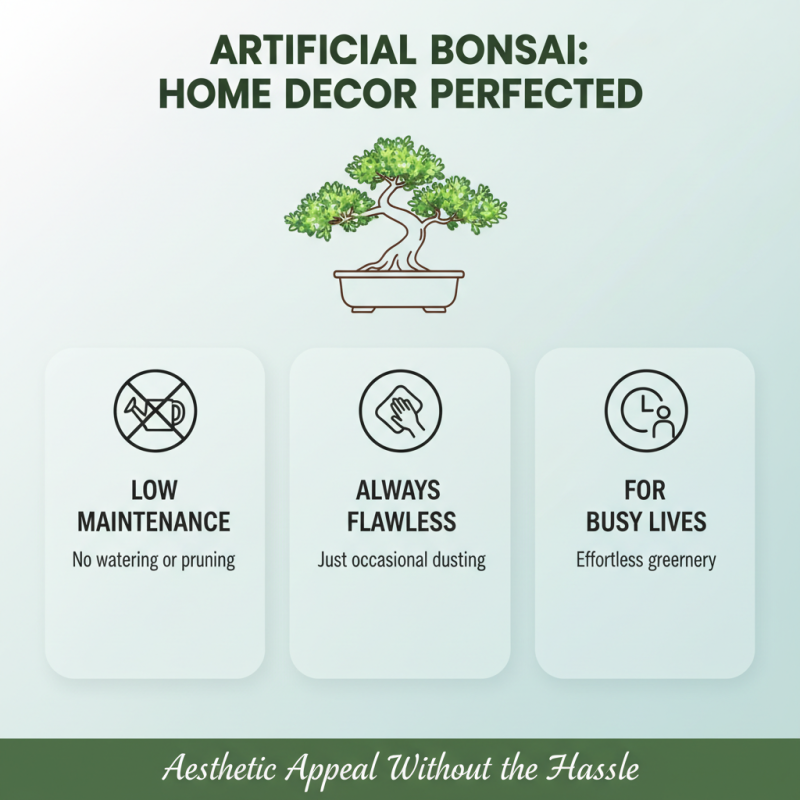
Artificial plant bonsai has become an increasingly popular choice in home decor, offering a range of benefits that appeal to many homeowners. One of the primary advantages is their low maintenance requirements. Unlike real bonsai, which demand careful watering, pruning, and specific light conditions, artificial plant bonsai only need occasional dusting to keep them looking their best. This makes them an ideal option for busy individuals or those who may not have a green thumb, yet still wish to enjoy the aesthetic appeal of lush greenery in their living spaces.
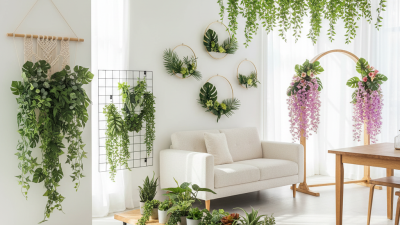
Another significant benefit of incorporating artificial plant bonsai into home decor is their versatility. Available in various styles and sizes, these decorative pieces can fit seamlessly into any room, complementing a wide range of interior design themes. Whether placed on a bookshelf, a coffee table, or as a centerpiece on a dining table, artificial bonsai can create a calming atmosphere without the worry of soil mess or excessive care. Additionally, they remain vibrant and fresh-looking year-round, providing a touch of nature without the seasonal worries that come with live plants. Overall, artificial plant bonsai serve not only as eye-catching decor but also as practical solutions for modern living.
Essential Care Tips for Maintaining Artificial Plant Bonsai
Artificial plant bonsai offer a low-maintenance alternative to traditional bonsai, making them an appealing choice for many plant enthusiasts. Maintaining these life-like replicas requires some attention to detail to ensure they remain visually appealing. According to a recent report by the Gardening Industry Association, 52% of consumers prefer artificial plants for their durability and ease of care.
To keep your artificial plant bonsai looking its best, regular dusting is essential. Use a soft cloth or a feather duster to remove dust buildup from the leaves. For a more thorough clean, a mild soap solution can be used to wipe down the foliage, ensuring that the brilliance of the color and texture remains intact.
Additionally, placing your bonsai in a location away from direct sunlight can prevent fading and preserve the overall aesthetic for years.
It's also beneficial to check the artificial plant for any wear or tears periodically. If any parts of the plant appear damaged, consider using a paint touch-up or a fabric adhesive to fix it. This proactive approach not only enhances the longevity of the plant but also maintains its natural appearance. Lastly, changing the location of your bonsai occasionally can refresh your interior space, giving it a new look without the need for a complete overhaul.
Popular Varieties of Artificial Plant Bonsai and Their Unique Features
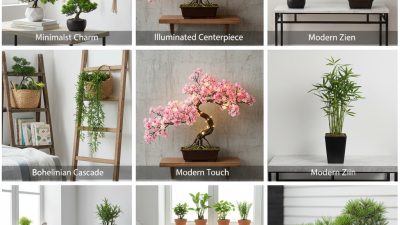
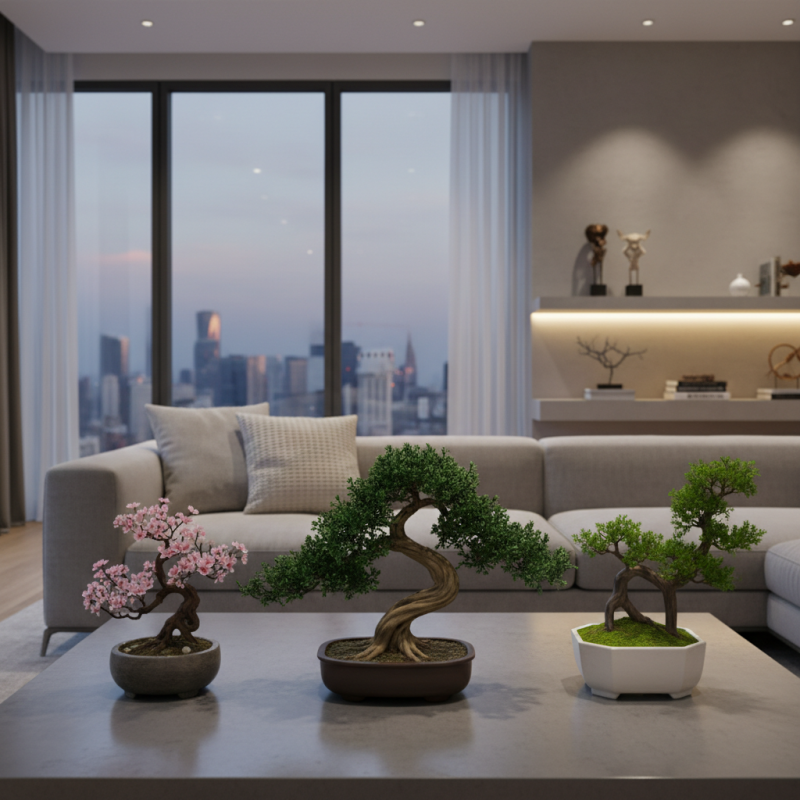
Artificial plant bonsai has gained popularity for its aesthetic appeal and low-maintenance requirements. Among the various options, some popular varieties stand out due to their unique features. For instance, the artificial Ficus bonsai impresses with its lush, green leaves that mimic the natural look of a living tree. This variety is often chosen for its ability to add a touch of elegance and vitality to indoor spaces, making it ideal for homes and offices alike.
Another appealing option is the artificial Cherry Blossom bonsai, which showcases delicate pink blooms that evoke the beauty of springtime. This variety is perfect for those who want to infuse a sense of tranquility and beauty into their environment without the need for watering or sunlight.
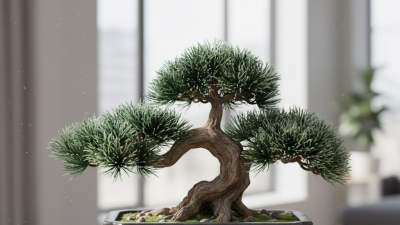
Additionally, the artificial Juniper bonsai stands out with its intricate twisting trunks and rich green foliage, embodying the classic characteristics of traditional bonsai while being completely synthetic. These varieties cater to diverse aesthetic preferences and are sure to enhance any decor with their lifelike qualities and charm.
Comparative Analysis: Artificial Bonsai vs. Natural Bonsai in Lifestyle Choices
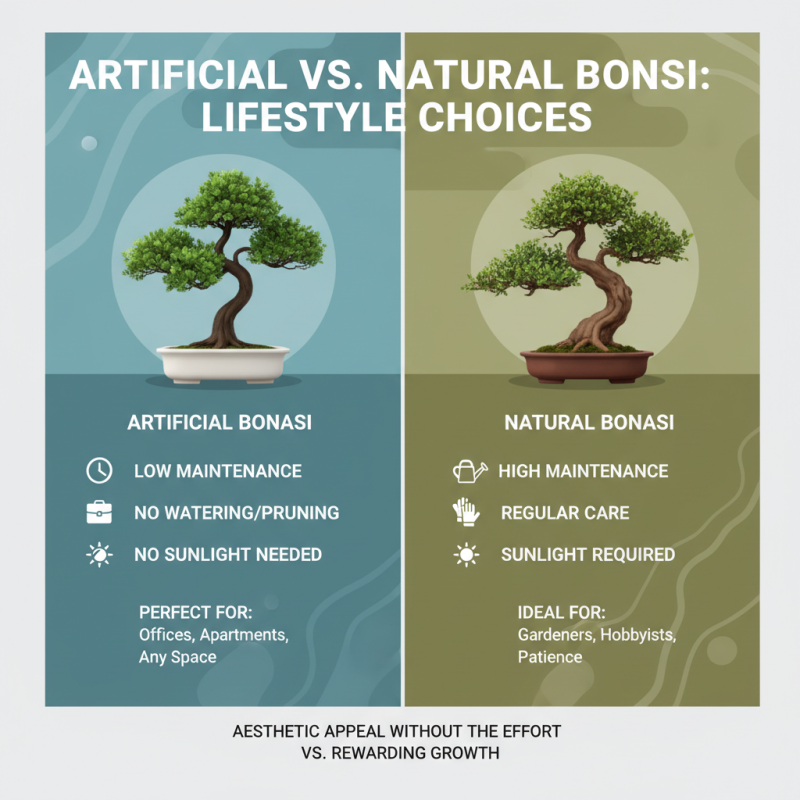
When considering lifestyle choices, the decision between artificial bonsai and natural bonsai often hinges on practicality and personal preference. Artificial bonsai offers a low-maintenance alternative, ideal for individuals with busy schedules or limited gardening skills. These plants do not require watering, pruning, or exposure to sunlight, making them a perfect fit for offices, apartments, or anywhere that may not have optimal growing conditions. They provide the aesthetic appeal of greenery without the commitment and effort typically associated with living plants.
On the other hand, natural bonsai embodies the art of cultivation and connection with nature. Caring for a live bonsai can be a rewarding experience, fostering patience and mindfulness as one learns the intricacies of plant care. Natural bonsai requires regular attention, including watering, pruning, and repotting, which can be therapeutic for some individuals. Additionally, the ever-changing beauty of a living bonsai reflects the passage of time and the unique conditions of its environment, offering a dynamic aspect that artificial plants cannot replicate. In this way, the choice between artificial and natural bonsai reflects broader lifestyle preferences, emphasizing either convenience or a deeper engagement with nature.