What is Artificial Hanging Leaves and How to Use Them?
Artificial Hanging Leaves are becoming increasingly popular in home decor. They provide a touch of greenery without the hassles of real plants. These versatile decorations can easily enhance any space, adding color and life to dull corners.
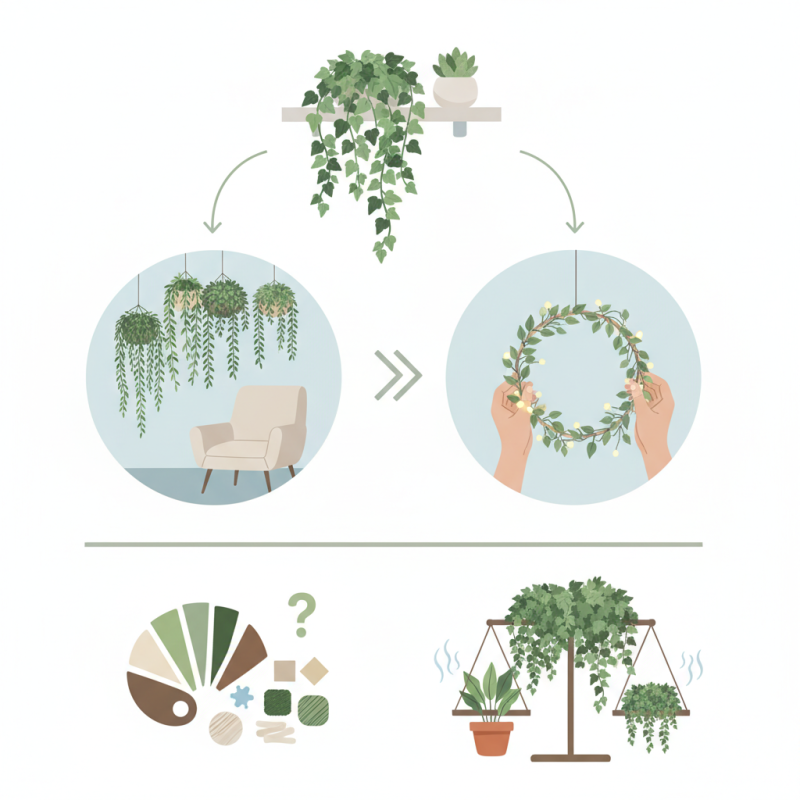
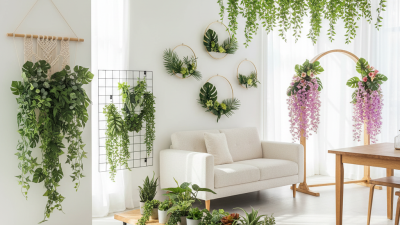
Using Artificial Hanging Leaves is simple. They can be draped over shelves, hung from ceilings, or even used in craft projects. The variety of styles available allows for personal expression. However, some might find it challenging to choose the right type for their space. Consider the colors, materials, and overall aesthetic before making a decision.
While they require no maintenance, these leaves can still seem lifeless at times. A mix of real plants could bring in energy and authenticity. Reflecting on this balance is important. Remember, Artificial Hanging Leaves should complement, not completely replace, the natural beauty around us.
What Are Artificial Hanging Leaves?
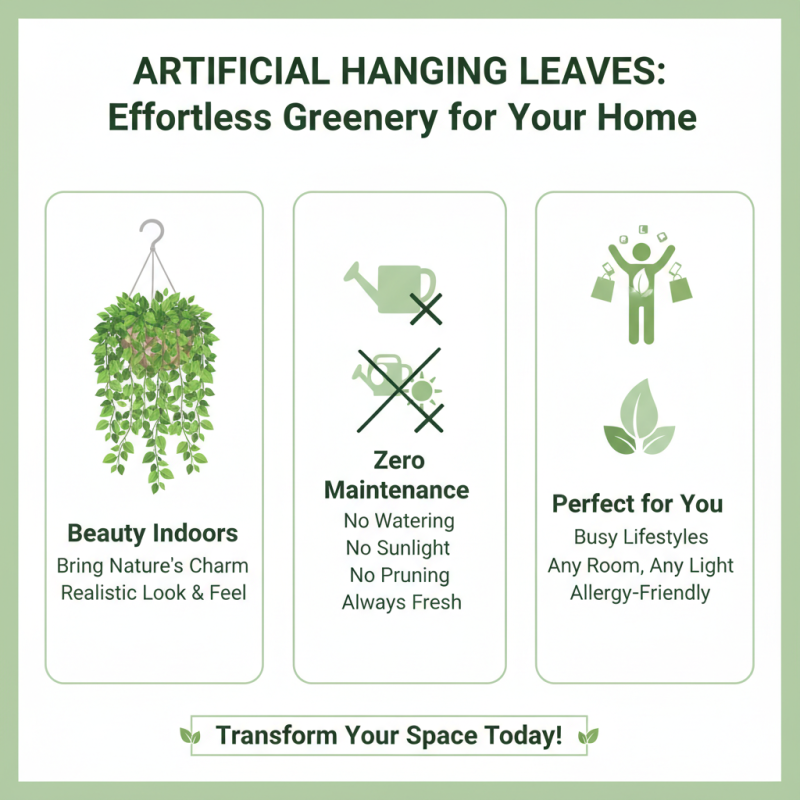
Artificial hanging leaves are a popular decorative option for many spaces. These faux plants mimic the look of real foliage but require no maintenance. Available in various styles and colors, they can enhance any room's aesthetic. Some resemble tropical plants, while others look like classic ivy or vibrant succulents.
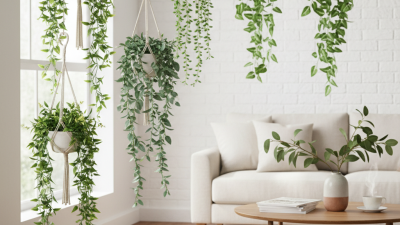
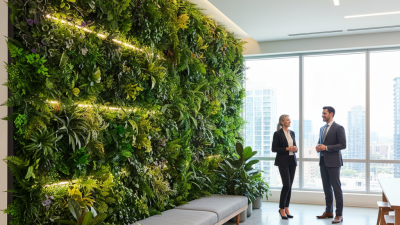
Using artificial hanging leaves can transform dull areas. You can drape them over shelves or hang them from ceilings. They add depth and warmth to your home or office. However, placement is crucial. A poorly chosen spot can look awkward. Lighting also plays a role in showcasing their beauty.
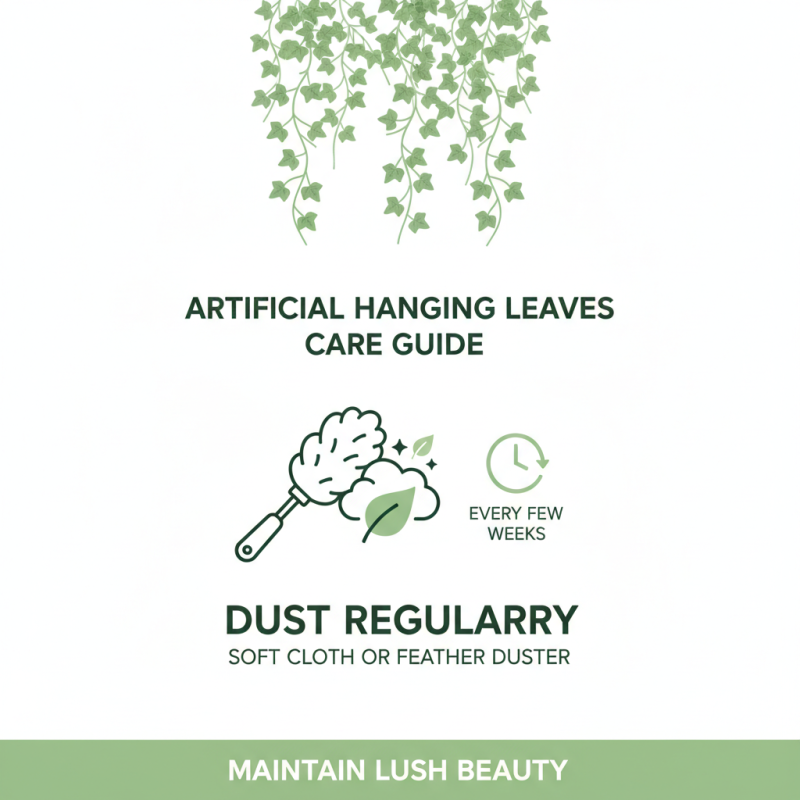
While artificial leaves are practical, they can lack the charm of real plants. Dust can accumulate over time, necessitating cleaning. Some users may feel conflicted about using synthetic materials. It’s important to think about how these items fit into your space and your values. Reflecting on these points can lead to more thoughtful choices in decor.
What is Artificial Hanging Leaves and How to Use Them?
| Dimension |
Description |
| Material |
Typically made from plastic or high-quality polyester that mimics the texture of real leaves. |
| Usage |
Used for home decoration, event backdrops, and office aesthetics. |
| Maintenance |
Requires occasional dusting and can be cleaned with a damp cloth. |
| Lifespan |
Can last several years if maintained properly, without wilting or fading. |
| Installation |
Can be easily hung or draped in various settings with minimal effort. |
| Environmental Impact |
Considered more sustainable as they do not require water or sunlight, unlike live plants. |
Materials Used in Artificial Hanging Leaves
Artificial hanging leaves add a touch of nature to any space. They are made from various materials that aim to replicate the beauty of real foliage. Commonly used materials include plastic, silk, and fabric blends. These materials give the leaves their realistic appearance while ensuring durability and ease of maintenance.
Plastic leaves are lightweight and weather-resistant. They are an excellent choice for outdoor decoration. However, they can look less authentic compared to other materials. Silk leaves offer a more lifelike texture and color. They are often used in indoor arrangements. Fabric blends combine the best of both worlds: sturdiness and realism.
Tips: When choosing your artificial leaves, consider the environment. Think about where you will place them. Light can fade colors over time. Always check instructions for care to keep your leaves looking fresh. Mix different materials to add depth and interest. Not all pieces will suit your style, so take your time in selecting them. Don't rush; a thoughtful arrangement will make all the difference.
Usage of Materials in Artificial Hanging Leaves
How to Properly Use Artificial Hanging Leaves
Artificial hanging leaves are a popular choice for home décor. These faux plants add a touch of greenery to any space. They require little maintenance, making them ideal for busy lifestyles. According to industry reports, the demand for artificial plants has grown by 30% over the past five years. This indicates a shift in consumer preference towards low-maintenance home aesthetics.
To properly use artificial hanging leaves, start by selecting the right type. Choose leaves that complement your interior design. You can use them in various settings, such as living rooms, kitchens, or offices. Consider hanging them in groups for a more natural look. Ensure that they are placed near natural light when possible; this can enhance their lifelike appearance. However, it's important to clean them regularly. Dust can accumulate, making them look less appealing.
Pay attention to where you position them. Hanging them too high might create an imbalance in your décor. Additionally, placing them in direct sunlight can cause colors to fade over time. Reflect on these details as you arrange your space. The right placement can elevate your home’s aesthetic, but imperfections in arrangement can detract from the overall look. Experiment until you find the best arrangement that suits your style.