What is Artificial Hanging Leaves and How Can They Enhance Your Space?
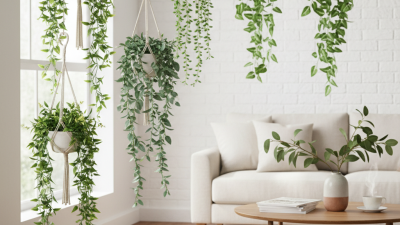
Artificial Hanging Leaves are becoming a popular choice for indoor decoration. These vibrant, realistic accents can transform any space. They bring a touch of nature indoors without the upkeep of real plants.
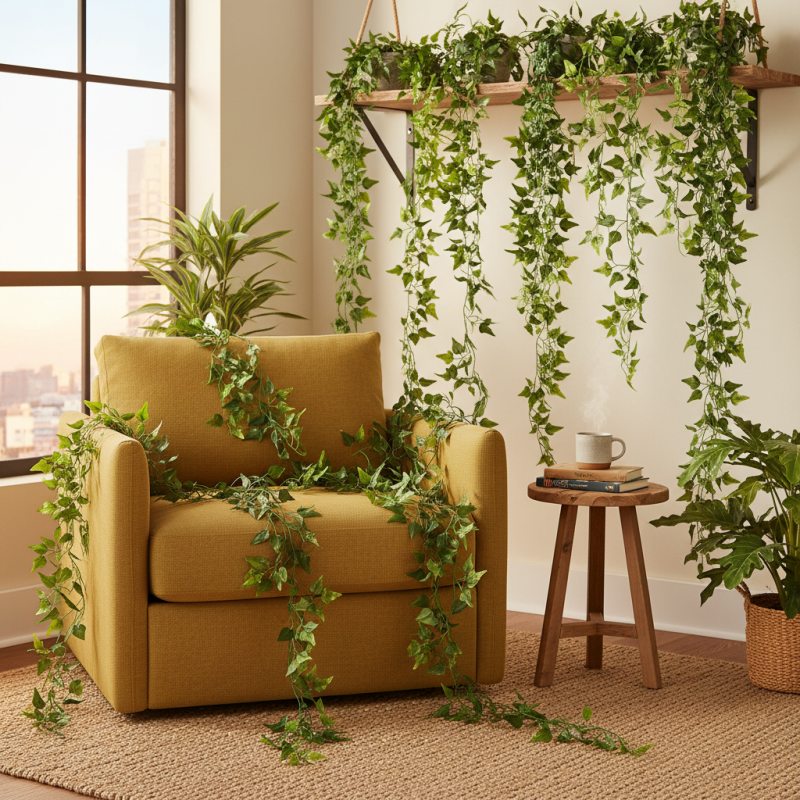
Imagine a cozy corner with cascading leaves that catch the light. It creates a warm and inviting atmosphere. However, some may find that artificial plants lack the charm of live greenery. There is a noticeable difference in texture and scent. Yet, the practicality of Artificial Hanging Leaves often outweighs these concerns. They require no watering and can thrive in dim light.
Using Artificial Hanging Leaves can enhance rooms in various ways. They are perfect for adding life to dull spaces. You can hang them in entryways or drape them over furniture. In a world where nature is often overlooked, these leaves offer a simple solution. While they may not be perfect, they remind us to appreciate the beauty of nature in our lives.
What Are Artificial Hanging Leaves and Their Composition Materials?
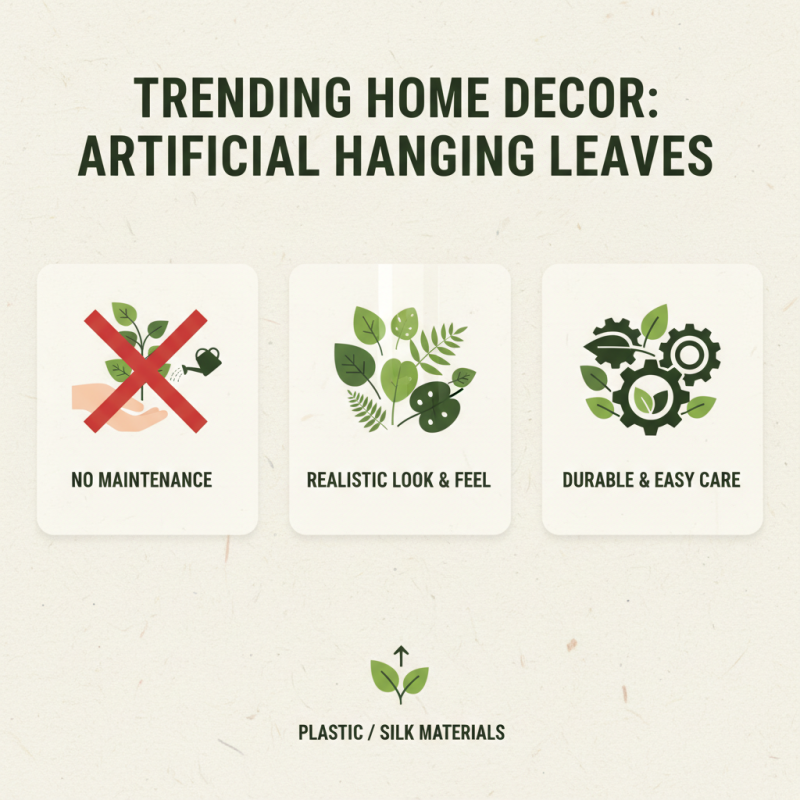
Artificial hanging leaves are a trendy choice for home decor. They mimic real plants without the fuss of maintenance. These leaves are usually made from synthetic materials like plastic or silk. The materials are designed to look realistic, capturing the essence of nature. Many people choose them for their durability and ease of care.
The composition of artificial hanging leaves enhances their appeal. The outer layers often have a soft texture while maintaining vibrant colors. They can withstand various weather conditions, making them suitable for indoor and outdoor spaces. However, not all artificial leaves look lifelike. Some may appear overly shiny or stiff, which can detract from their intended beauty.
It’s important to reflect on the choice of materials. Eco-friendly options are available, often made from recycled substances. These options can make a positive difference. Yet, some people might still prefer traditional plastics for their affordability. This choice raises questions about environmental impact versus budget constraints. Balancing aesthetics and responsibility can be challenging, yet rewarding.
The Benefits of Using Artificial Hanging Leaves in Interior Design
Artificial hanging leaves are a popular choice in interior design today. They bring a touch of nature indoors without the maintenance of real plants. These decorative accents can enhance any space, making it feel alive and inviting.
Using artificial hanging leaves has its benefits. They add color and texture to walls or ceilings. This gives depth to a room, making it more interesting. Plus, they are perfect for those who lack a green thumb. No watering is necessary, and they won’t wilt or fade easily.
Tips for using artificial hanging leaves:
1. Place them in groups to create a lush effect.
2. Mix different sizes for a more varied look.
3. Consider using them in areas with low light.
While they are beautiful, it’s important to choose quality products. Lower-quality items may look fake or cheap. Take time to find the right style that suits your décor. The right choice can truly enhance your space. Consider your environment carefully. Are you going for a relaxed vibe? Or perhaps a more vibrant look? Reflect on what you want to achieve.
Comparative Analysis: Artificial vs. Real Plants in Aesthetic Appeal
Artificial plants have gained popularity in recent years. They offer aesthetic benefits without the care that real plants require. But how do they stack up against living plants? A close look reveals some interesting differences.
Artificial plants do not need sunlight or watering. They stay vibrant year-round. Yet, they can lack the freshness real plants bring. Some might notice the difference in texture and color. A glance at an artificial leaf may miss the natural variations found in real foliage. This subtle detail can impact visual appeal.
Tip: If choosing artificial plants, opt for high-quality options. Look for varied colors and textures. This can enhance realism and overall impact.
Real plants contribute to indoor air quality. They release oxygen and absorb toxins. This benefit is absent with artificial alternatives. However, many find real plants challenging to maintain. A brown thumb can lead to disappointment.
Tip: Consider starting with easy-care plants. Succulents and snake plants are user-friendly options. They require little attention and thrive in various conditions. Balancing aesthetics and care is key here.
In the end, your choice depends on your lifestyle and taste. Each option has its unique strengths and weaknesses. Reflect on what works best for your space.
Market Trends: The Growth of Artificial Plant Industry Statistics
The artificial plant industry has seen remarkable growth in recent years. Many people appreciate greenery in their homes. However, real plants often require upkeep. This has boosted the appeal of artificial options. They provide the beauty of nature without the effort. This trend shows a shift toward convenience.
Statistics reveal that consumers are increasingly investing in these products. The desire for aesthetics drives this growth. More homes and offices are adopting artificial plants. This trend reflects a broader change in interior design preferences. Artificial leaves add a relaxing atmosphere. They're often chosen for their versatility and style.
Yet, not all artificial plants look convincing. Some can appear overly synthetic. Quality varies widely across brands. This suggests a need for more consumer education. Buyers should be discerning in their choices. An understanding of materials and craftsmanship can lead to better decisions. The market is evolving, and staying informed is crucial.
What is Artificial Hanging Leaves and How Can They Enhance Your Space?
| Category |
Market Size (2022, USD Billion) |
Projected Growth Rate (2023-2028, %) |
Key Drivers |
| Home Decor |
2.5 |
7.5 |
Rising demand for low-maintenance decor |
| Commercial Spaces |
1.8 |
6.0 |
Increase in office landscaping |
| Event Decoration |
1.2 |
8.5 |
Growing trend for eco-friendly decor |
| Retail Displays |
0.9 |
5.5 |
Enhancing visual merchandising |
| Hospitality Sector |
1.5 |
7.0 |
Creating inviting atmospheres |
Care and Maintenance of Artificial Hanging Leaves for Longevity
Artificial hanging leaves can add a vibrant touch to your space. However, care and maintenance are crucial for ensuring their longevity. Studies show that artificial plants are often made from materials that can degrade over time if not properly maintained. For instance, UV exposure can cause fading in synthetic leaves, diminishing their aesthetic appeal.
Cleaning your artificial hanging leaves is essential to keep them looking fresh. Dust can accumulate and dull their colors. It is recommended to use a damp cloth to wipe them down regularly. Vacuuming can help as well. A report from the National Association of Professional Organizers indicates that a clean environment improves mood and productivity by 30%.
Be mindful of placement. Direct sunlight can be damaging. A shaded area or artificial lighting can help preserve the leaves’ vibrant colors. Neglect can lead to a lifeless appearance, and this is often overlooked. Investing a little time in maintenance can yield significant benefits. Remember, even artificial décor needs some love to shine brightly.
Enhancing Your Space with Artificial Hanging Leaves